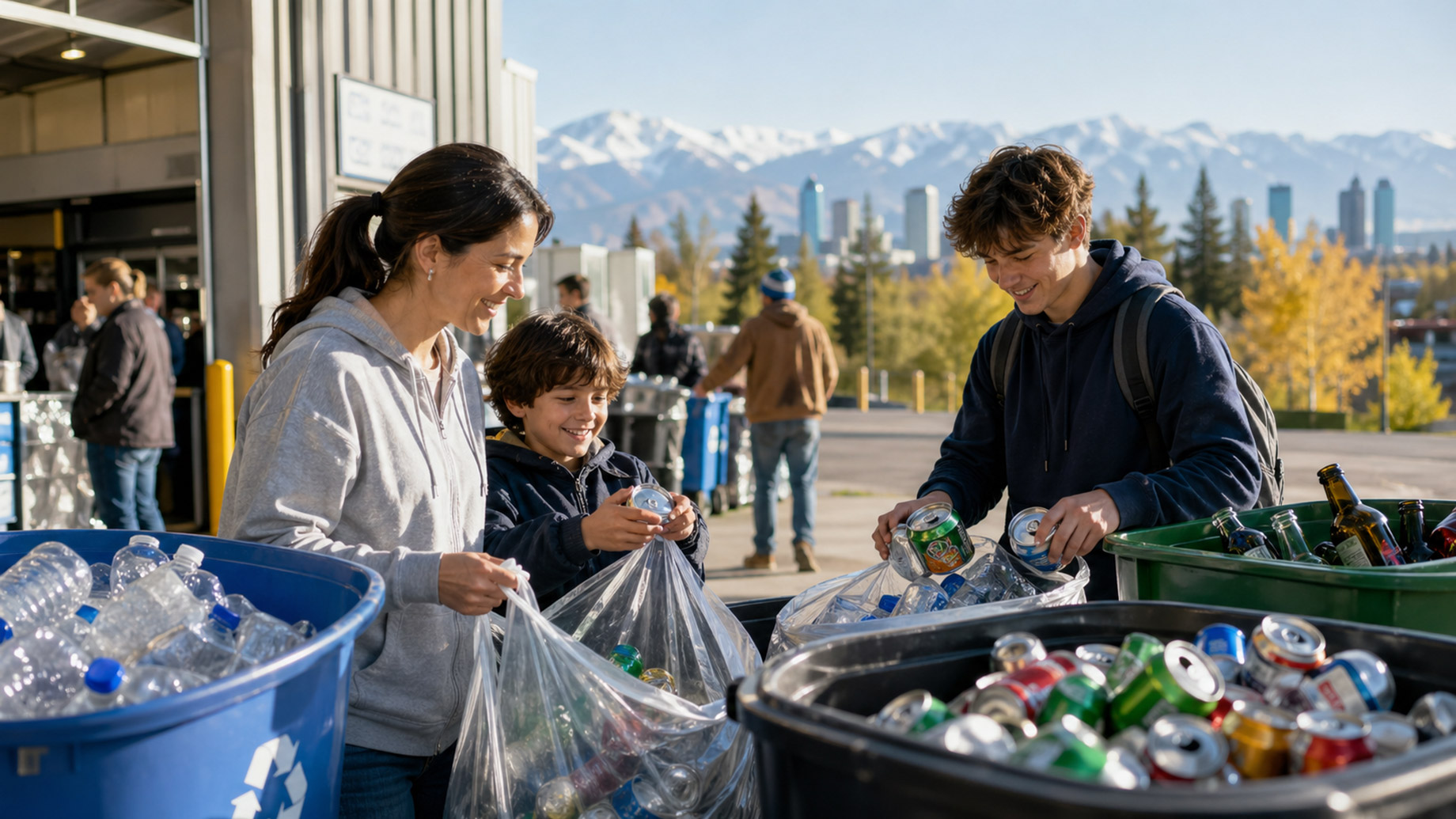
Across the country, Canadians are embracing a deeper understanding of sustainability. More people are considering how their daily habits affect the environment, the economy, and future generations. And among the many environmentally responsible choices available, returning beverage containers stands out as one of the easiest, most accessible, and most widely adopted practices of all.
Every returned bottle or can represents more than just a refund — it’s a contribution to a recycling system that turns waste into valuable resources. It’s a small action that supports environmental protection, reduces waste, stimulates local economies, and keeps communities cleaner. Whether someone is tidying up after a weekend barbecue or gathering empties after a school event, the journey often ends at a local Bottle Depot, where those recyclable containers begin their transformation.
For families, students, team coaches, and everyday Canadians, finding a nearby bottle depot in Calgary is part of an easy yet impactful routine — one that helps build a sustainable future from the ground up.
Why Bottle Recycling Matters in Everyday Canadian Life
Canada’s expansive landscapes and pristine natural beauty serve as a daily reminder of the importance of environmental responsibility. From crystal-clear lakes to rugged mountains, from urban parks to rural fields, Canadians are surrounded by nature worth protecting. Recycling beverage containers is a simple, effective way to reduce waste and help preserve these spaces.
1. Reducing the Volume of Landfill Waste
Landfills fill quickly, especially in densely populated regions. Beverage containers are a significant portion of household waste, and when disposed of improperly, they take years — sometimes generations — to break down.
Recycling keeps these materials out of landfills, reducing environmental pollution and conserving valuable space.
2. Conserving Energy and Natural Resources
Producing new materials requires significant energy and raw resources. Recycling existing containers reduces the need for:
- New aluminum mining
- New plastic production
- Mining sand and minerals for glass
- Additional processing of composite packaging
Recycled materials use far less energy, reducing greenhouse gas emissions and environmental strain.
3. Encouraging Responsible Consumption
Recycling encourages Canadians to rethink how they use and dispose of consumer products. It reinforces habits that align with sustainability goals and promotes mindful behaviour across households.
4. Supporting Canada’s Environmental Policies
Provincial recycling programs and national sustainability initiatives rely heavily on participation from individuals. Bottle recycling is one of the most effective ways Canadians contribute to these efforts.
The Circular Journey of a Recycled Container
Most people drop off their bottles and head home without thinking about what happens next. But the journey of each container is surprisingly fascinating — a process designed to maximize reuse and minimize waste.
Step 1: Drop-Off and Sorting
At depots, containers are sorted into categories:
- Aluminium cans
- Plastic beverage bottles
- Glass containers
- Milk and juice cartons
- Pouches and composite materials
Sorting ensures accurate processing and quality control.
Step 2: Transport to Processing Centres
Depots ship bulk loads of containers to recycling facilities. These centres specialize in the cleaning, shredding, crushing, or melting of materials.
Step 3: Material Transformation
Different materials go through their own transformation processes:
- Aluminum is melted and reformed
- Glass is crushed and melted
- Plastic is shredded into pellets
- Cartons are separated into fibres and foils
Step 4: New Life for Old Materials
Recycled materials are sold to manufacturers and turned into:
- New containers
- Clothing fibres and fabrics
- Outdoor furniture
- Construction materials
- Automotive parts
- Packaging supplies
Step 5: The Cycle Continues
Eventually, the products made from recycled materials re-enter the marketplace, where they may again be recycled — keeping materials in use as long as possible.
Every step of this process supports Canada’s shift toward a circular economy.
Why Bottle Depots Are Such an Important Part of the System
Bottle depots do more than accept empties — they are an essential link between consumers and the recycling industry.
Depots Support:
1. Environmental Protection
By collecting and redirecting containers, depots ensure that recyclable materials are not wasted, contaminated, or improperly disposed of.
2. Community Engagement
Depots make recycling accessible for households, businesses, and organizations of all sizes.
3. Fundraising Opportunities
Many organizations rely on bottle drives, and depots help make these fundraisers successful by offering fast drop-off options and bulk returns.
4. Local Employment
Depots provide local jobs and contribute to community economic stability.
5. Recycling Accuracy
With professional sorting and proper handling, depots help ensure higher-quality recycling output.
Without depots, recycling would be far less efficient and much less reliable.
The Community Impact: More Than Just Recycling
One often overlooked aspect of bottle recycling is its positive effect on local communities.
Bottle Drives Support Local Causes
Schools, sports teams, children’s programs, and charities often use bottle drives as an effective way to raise funds. These drives bring neighbours together and provide essential financial support for:
- Youth sports equipment
- Educational trips
- Community programs
- Animal rescue operations
- Youth groups and clubs
- Neighbourhood improvement projects
Each bottle drive helps reduce waste while benefiting meaningful community initiatives.
Cleaner Neighbourhoods
When more people recycle, fewer containers end up in parks, ditches, playgrounds, and roadsides, improving the appearance and safety of public spaces.
Educational Opportunities
Recycling sparks discussions about sustainability and responsibility — especially for children. Participating in recycling teaches kids the importance of waste reduction and responsible habits.
Building Sustainable Habits at Home
Families across Canada are developing habits that make recycling simpler and more efficient.
Some Easy Home Practices Include:
- Creating a dedicated recycling station
- Rinse bottles and cans before storing them
- Using reusable bins or containers for collection
- Sorting materials weekly
- Encouraging children to help with sorting
- Scheduling regular trips to the depot
These routines build discipline, reduce household waste, and make recycling more efficient.
The Environmental Benefits You Can See — and Feel
Recycling provides benefits both visible and indirect, all contributing to a healthier environment.
Visible Benefits Include:
- Cleaner neighbourhoods
- Reduced litter
- Less waste accumulation in homes
Long-Term Environmental Benefits Include:
- Reduced air and water pollution
- Conservation of raw materials
- Lowered energy consumption
- Protection of ecosystems and wildlife habitats
- Reduced greenhouse gas emissions
These impacts contribute to a sustainable future for generations.
A Moment of Satisfaction After Every Drop-Off
One of the most satisfying aspects of recycling is how immediate the impact feels. You load the containers into your vehicle, drive to the depot, drop them off, and walk away knowing you’ve contributed to environmental improvement and community wellness.
It’s a small act — yet it carries a weight of responsibility and pride.
Final Thoughts
Recycling beverage containers is a simple habit with enormous benefits. Whether you drop off a few bags of empties on the weekend or make regular visits to your local bottle depot, each return helps protect the environment, strengthen communities, and support Canada’s long-term sustainability goals.
If you’re searching for a Bottle Depot Calgary, you’re doing more than just finding a place to return empties — you’re choosing to make a positive impact on the world around you.
Small actions, when repeated consistently, create real change. And returning your beverage containers is one of those actions that truly makes a difference — one bottle at a time.
