Ask a facilities manager what destroyed their last capital budget and you will rarely hear about a roof replacement. It is almost always something small that sat unattended for two years and then took a bigger component down with it.
The pattern repeats across residential portfolios, single-owner estates and mixed-use buildings. Deferred work does not stay the same size, and it does not stay the same price.
A widely used industry rule of thumb sets aside roughly one percent of a property’s value each year for upkeep. Older buildings and coastal sites usually need more, but the number matters less than the discipline behind it.
The Cheap Repairs Nobody Books
Sealant beads, flashing laps, gutter brackets, door seals, worn tap washers. None of these justify a call-out on their own, so they wait.
They keep waiting until a facade stain appears or a ceiling starts to sag. At that point the job has moved from a two-hour fix to a coordination exercise with three quotes, a scaffold hire and a tenant who is now involved.
Most effective property maintenance is really about catching items while they are still boring. The owners who hold value over a twenty-year horizon are not spending more, they are spending earlier.
Paint is Protection, Not Decoration
Exterior coatings get treated as a presentation item, which is why repaints are the first line cut when cash gets tight. The coating is doing structural work the whole time.
Paint film sits between timber, render or fibre cement and constant moisture cycling. Once it cracks or chalks, water reaches the substrate, and rot, swelling and render delamination move at their own pace from there.
The warning sign is not colour faded. It is hairline cracking around window reveals, chalky powder on your hand after touching a wall, and any point where the film has lifted at a joint or nail head.
Melbourne’s southeastern housing stock shows this early because so much of it is weatherboard and older rendered brick. Owners in that pocket often run repaint cycles through top painter services in Dandenong for exactly that reason, since crews working the area every week know which substrates fail first and price the preparation accordingly.
Preparation is where the money goes and where the value sits. A cheap quote nearly always means less sanding, less priming and a repeat job in four years rather than ten.
Water Finds the Weakest Detail First
Drainage failures are slow, quiet and expensive. A blocked downpipe does not announce itself until the soil beside a footing has been saturated through two wet seasons.
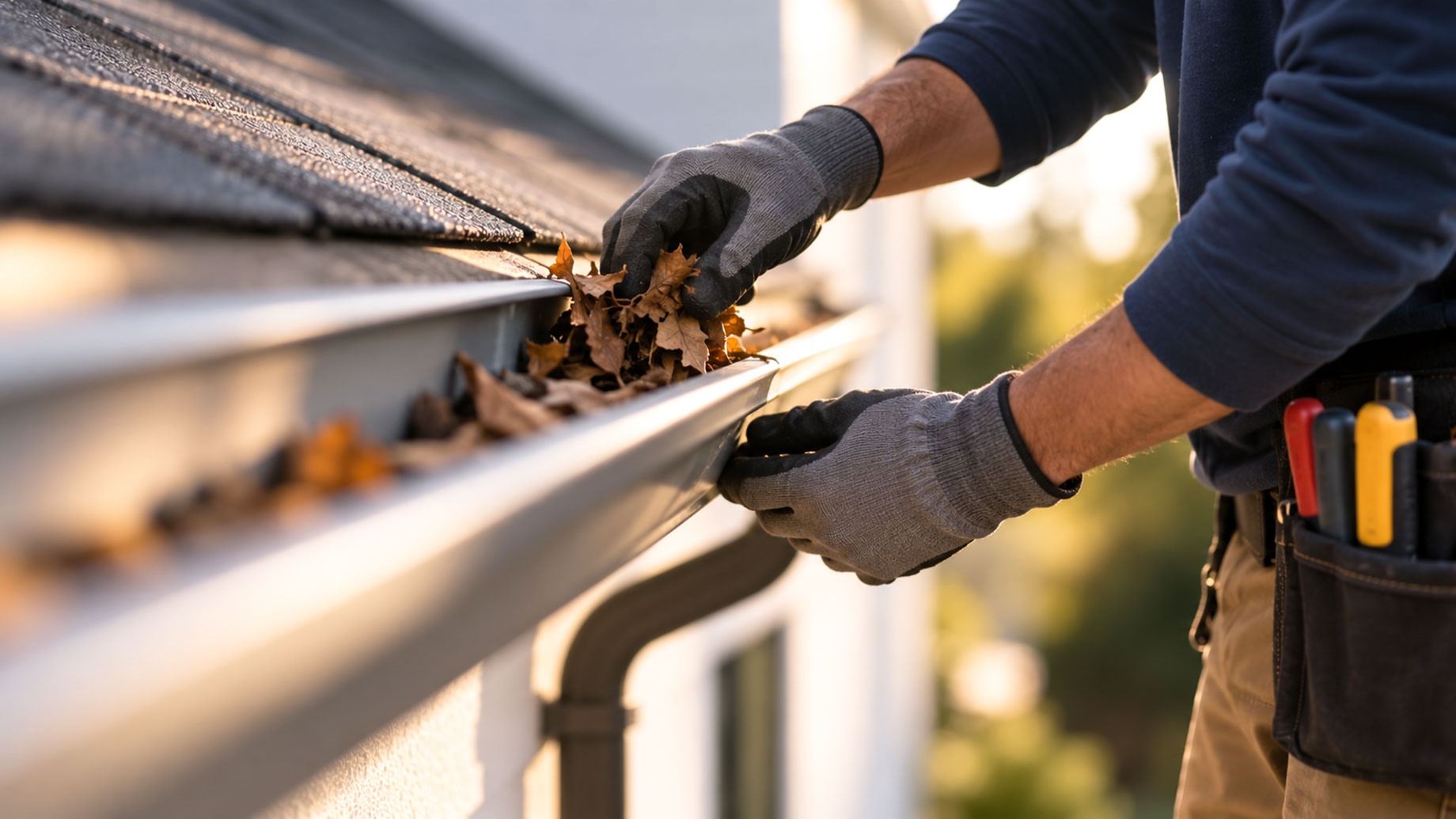
Check falls on paved areas, clear leaf litter from box gutters before the wet months, and confirm that surface water is actually leaving the site rather than pooling against a wall. Sites with mature trees need this twice a year, not annually.
Subfloor ventilation deserves the same attention. Blocked vents trap moisture under the floor, and the resulting timber movement shows up later as sticking doors and cracked cornices that owners misdiagnose as settlement.
Anyone managing a higher-value asset should treat stormwater design as a standing item rather than a reaction to a storm. There is a useful breakdown of that thinking in this piece on smart drainage planning for high-end homes, which covers the site-level decisions that most retrofits get wrong.
Roof penetrations are the other repeat offender. Flues, vents, skylights and aerial mounts all rely on sealant that has a service life shorter than the roof itself.
Electrical Faults Rarely Start Loud
Switchboards, circuits and cabling age quietly. A property built in the 1980s or earlier may still be running original wiring under a board that has been patched three times to carry loads nobody planned for.
The early signals are easy to dismiss. Warm switch plates, a breaker that trips under normal load, flickering when a heavy appliance kicks in, and a faint burning smell near a socket all point to something worth booking rather than watching.
Safety switch testing is the simplest item on any schedule and the most commonly skipped. Pressing the test button quarterly takes seconds and tells you whether the protection you are relying on actually works.
Response time is the part owners underestimate. Faults tend to appear on a Friday night or during the first cold snap, so property managers find a 24 hour electrician in Melbourne and save the details before anything goes wrong to avoid making that decision under pressure with a tenant on the phone.
Keep a record of every board upgrade, circuit addition and compliance certificate. Buyers and insurers both ask, and an undocumented history costs money at settlement.
Mechanical Systems Reward a Calendar
Heating and cooling equipment fails on the first properly cold or hot day of the season, which is precisely when every technician in the city is already booked. Servicing in the shoulder months is cheaper and faster.
Filter changes, condensate drain checks and refrigerant pressure testing extend equipment life by years. Neglected units draw more power and then die early, which turns an operating cost into a capital one.
Hot water systems follow the same logic. Anode replacement on a storage unit is a modest job that can add years of service, while a burst tank means emergency rates plus water damage.
For a season-by-season structure worth copying, this guide to plumbing and HVAC maintenance priorities sets out the sequence sensibly.
Build a Twelve-Month Cycle and Stick to It
Quarterly items are the quick ones. Safety switch tests, smoke alarm checks, gutter inspection after heavy leaf fall and a walk of the perimeter looking for new cracking or staining.
Twice-yearly items cover mechanical servicing, drainage clearing and a proper look at roof penetrations and flashings. Annual items include a full exterior condition review, pest inspection and a check of every wet area seal.
Every five to ten years you are looking at exterior repaints, switchboard reviews, hot water replacement planning and major seal renewal. Putting rough dates against those now turns them into forecast items instead of emergencies.
Conclusion
Condition reports drive negotiation. A buyer’s inspector who finds fresh coatings, a current electrical certificate and serviced equipment has very little to write in the deductions column.
The reverse is also true, and it is not proportionate. Ten thousand dollars of deferred work routinely turns into a much larger price reduction because buyers price risk, not repair cost.
Consistent property maintenance also protects rental yield. Well-kept assets hold tenants longer, and vacancy is usually the most expensive line item in any holding year.
Lenders and insurers form a view too. Documented servicing history supports better terms, particularly on older buildings where insurers are otherwise pricing uncertainty into the premium.
Frequently Asked Questions
1. How often should an exterior repaint happen?
Most quality exterior systems run seven to ten years, though full sun exposure, coastal salt and older timber substrates shorten that. Inspect annually and let the condition of the film decide rather than the calendar.
2. Is a maintenance plan worth it for a single property?
Yes, mainly because it removes decision fatigue. A written schedule means work gets booked in the quiet season at normal rates instead of during a crisis at emergency rates.
3. What should be checked before buying an older building?
Switchboard and wiring age, roof and flashing condition, drainage falls, subfloor ventilation and every wet area membrane. Those five items account for most post-settlement surprises.
4. How much should be budgeted annually?
One percent of property value is the common starting point, adjusted upward for buildings over thirty years old or in exposed locations. Track actual spend for two years and refine from there.
