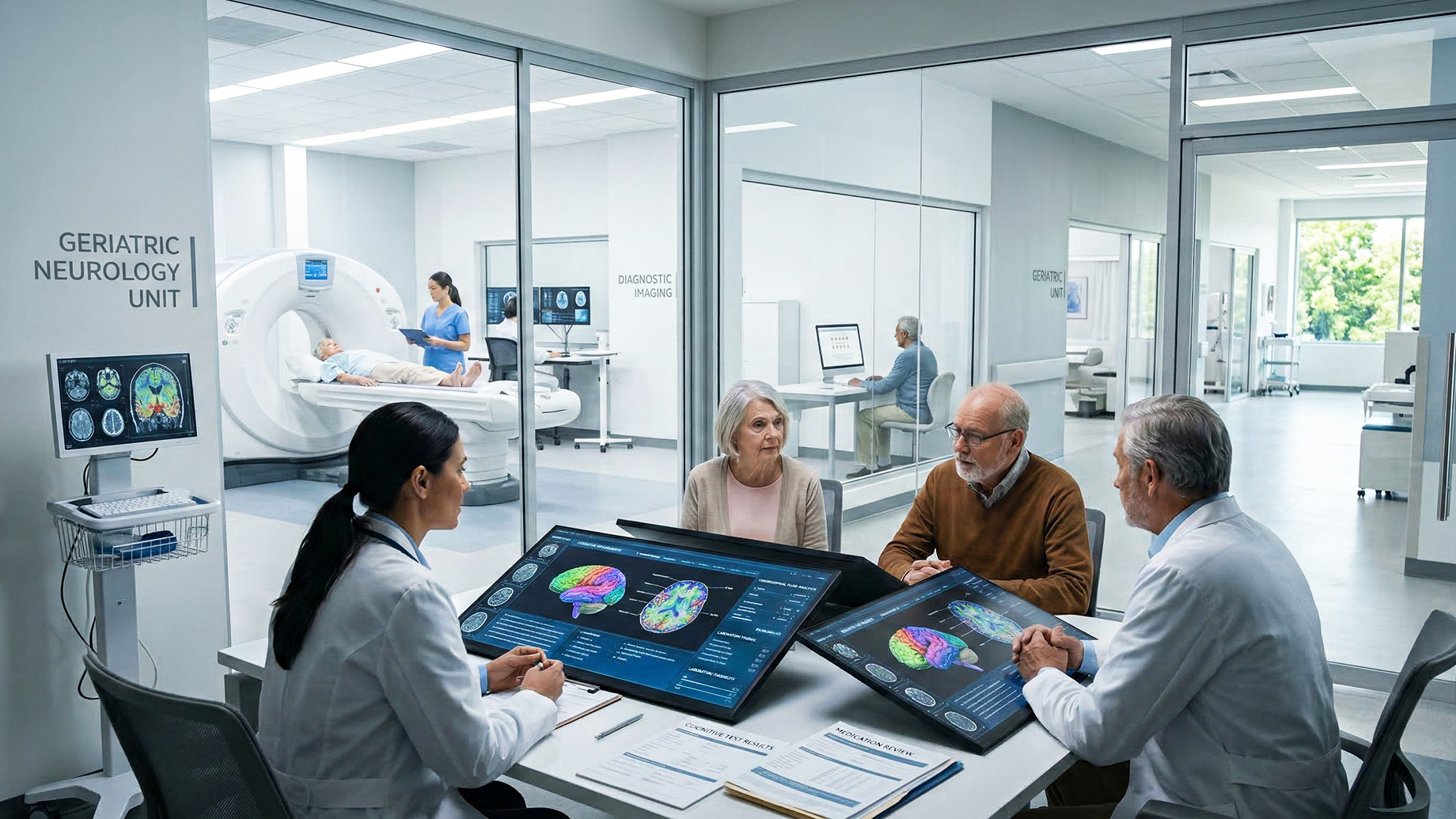
Diagnosing Alzheimer’s disease requires more than simply recognizing memory loss. Because many conditions can affect cognitive function in older adults, a structured and detailed evaluation is essential to ensure accuracy. In geriatric medicine, diagnosis focuses on identifying the root cause of cognitive decline while distinguishing Alzheimer’s from other neurological or metabolic conditions.
At Liv Hospital, specialists use a comprehensive, multi-step diagnostic approach that combines clinical assessment, cognitive testing, and advanced imaging. Patients can explore GERIATRICS Diagnosis and Evaluation to understand how Alzheimer’s is carefully evaluated and confirmed.
Why Diagnosis in Geriatrics Requires a Specialized Approach
Older adults often experience multiple overlapping health conditions, which can make diagnosis more complex. Memory issues may result from medication effects, vitamin deficiencies, depression, or other neurological disorders.
For this reason, geriatric evaluation is designed to:
- Identify reversible causes of cognitive decline
- Differentiate Alzheimer’s from other types of dementia
- Assess the patient’s functional and cognitive baseline
- Guide personalized care planning
This holistic approach ensures that no underlying condition is overlooked.
Cognitive Testing and Functional Assessment
One of the first steps in evaluating Alzheimer’s disease is assessing cognitive performance. Doctors use standardized tools to measure memory, attention, language, and problem-solving abilities.
These assessments help determine:
- how memory and thinking skills are affected
- whether the impairment interferes with daily life
- the stage and severity of cognitive decline
In addition to cognitive testing, physicians evaluate a patient’s ability to perform everyday tasks such as managing finances, preparing meals, or following routines. These functional insights are crucial for understanding the real-world impact of the condition.
Medical History and Clinical Evaluation
A detailed medical history plays a key role in the diagnostic process. Doctors gather information about symptom progression, lifestyle factors, and any family history of neurological disorders.
They may also speak with family members or caregivers to gain additional perspective on behavioral or personality changes. This collaborative input helps create a clearer picture of how the condition is evolving over time.
Laboratory Testing to Rule Out Other Causes
Before confirming Alzheimer’s disease, physicians must exclude other conditions that can mimic its symptoms. Blood tests are commonly used to check for:
- Vitamin deficiencies such as B12
- Thyroid function abnormalities
- Infections or inflammatory conditions
- Metabolic imbalances
Identifying and treating these reversible conditions can sometimes improve cognitive symptoms, making this step essential in the diagnostic process.
Brain Imaging and Structural Evaluation
Modern diagnosis of Alzheimer’s often includes imaging techniques that allow doctors to examine the brain’s structure and function.
Common imaging methods include:
- MRI scans, which detect brain shrinkage and changes in key memory-related areas
- CT scans, used to rule out other structural abnormalities
- PET scans, which can assess brain activity and detect abnormal protein accumulation
These imaging tools provide valuable insight into how the disease is affecting the brain and help confirm the diagnosis.
Biomarkers and Advanced Diagnostic Tools
In recent years, advances in medical research have introduced biomarker-based testing for Alzheimer’s disease. These tests help detect specific proteins associated with the condition, offering a more precise diagnostic approach.
In some cases, cerebrospinal fluid (CSF) analysis may be used to identify abnormal levels of amyloid and tau proteins. These markers support early diagnosis and can help distinguish Alzheimer’s from other neurodegenerative disorders.
Differentiating Alzheimer’s from Other Dementias
Not all forms of dementia are the same. Conditions such as vascular dementia, Lewy body dementia, or frontotemporal dementia may present with similar symptoms but require different management strategies.
A thorough geriatric evaluation helps identify the specific type of dementia by analyzing:
- Symptom patterns and progression
- Imaging results
- Laboratory findings
- Cognitive and behavioral characteristics
Accurate differentiation ensures that patients receive the most appropriate care and treatment.
The Importance of Early and Accurate Evaluation
Early diagnosis of Alzheimer’s disease allows patients and families to plan for the future, access support services, and begin appropriate management strategies. It also provides an opportunity to implement interventions that may help slow cognitive decline.
Timely evaluation helps improve quality of life by enabling:
- Early treatment and symptom management
- Better safety planning at home
- Emotional and psychological support
- Informed decision-making for long-term care
Supporting Cognitive Health Beyond Diagnosis
While medical evaluation is essential, maintaining overall brain health also depends on daily lifestyle choices. Nutrition, physical activity, sleep quality, and mental stimulation all contribute to cognitive resilience.
For those looking to enhance their overall wellness and support long-term brain health, live and feel offers practical insights into healthy living, lifestyle balance, and preventive care strategies.
