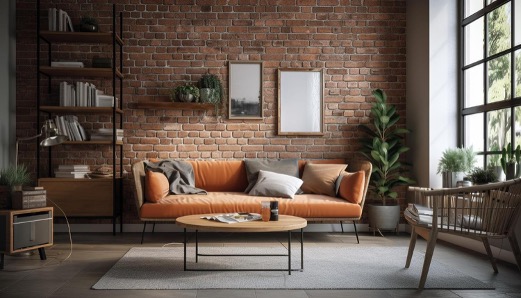
There’s something quietly compelling about a well-designed loft. It doesn’t try too hard. It doesn’t rely on excess. Instead, it lets space, light, and structure do the talking.
What began as a practical reuse of industrial buildings has gradually turned into one of the most sought-after forms of urban living. But today’s loft is no longer just about exposed brick and open ceilings. It’s about how those elements are refined, softened, and shaped into spaces that feel both intentional and livable.
The Enduring Appeal of Loft Architecture
At its core, loft living is about freedom. The absence of rigid walls creates a sense of openness that traditional layouts often lack. You don’t move from room to room, you move through a continuous environment.
That openness changes how people experience their homes. It invites flexibility. It encourages personalization. And perhaps most importantly, it creates a sense of calm that comes from visual clarity.
Developments like Mosler Lofts capture this balance particularly well. They retain the structural honesty that defines loft architecture, while introducing the level of finish and precision expected in modern urban living. The result isn’t just a place to live, it’s a space that feels considered from the moment you step inside.
Space as a Living Element
In a loft, space isn’t just something you occupy, it’s something you actively shape. Without traditional boundaries, the way a home functions depends on how it’s arranged.
A dining area might flow into a workspace. A living space might subtly transition into a bedroom. These shifts are rarely defined by walls, but by placement, proportion, and intention.
It requires a different way of thinking. Instead of filling rooms, you’re composing an environment. Every decision, where a table sits, how a sofa is angled, affects how the space feels as a whole.
Read more:
- The Timeless Appeal of Linen Curtains in Living Room Design
- Simple Ways to Transform Your Living Room
Materials That Do More Than Fill a Space
Materials carry a lot of weight in loft design, both visually and emotionally. Concrete and steel bring structure. Glass introduces openness. But it’s often wood that creates balance.
There’s a warmth to natural materials that softens the sharper edges of industrial architecture. It makes a space feel less like a concept and more like a home.
This is where subtle details begin to matter. Thoughtfully integrated shelf boards, for example, don’t just solve storage, they help define the rhythm of a wall, add texture, and give the space a sense of quiet order. When done well, these elements feel like they belong, rather than something added later.
Making Open Spaces Work
As beautiful as open layouts are, they come with their own challenges. Without clear divisions, it’s easy for a space to feel undefined or even chaotic.
The key is restraint. Instead of overfilling the space, the focus shifts to selecting fewer, more meaningful pieces. Furniture becomes architectural. Storage becomes part of the design language.
In this context, functionality isn’t separate from aesthetics, it’s part of it. A well-placed shelving system, a carefully chosen table, or even the spacing between objects can make the difference between a space that feels scattered and one that feels intentional.
The Quiet Power of Light
If there’s one element that truly defines loft living, it’s light. Large windows don’t just brighten a space, they transform it throughout the day.
Morning light feels different from late afternoon light. Shadows move. Surfaces change. The same room can feel entirely different depending on the time of day.
This constant shift gives lofts a kind of quiet dynamism. It’s not something you always notice directly, but it shapes how the space is experienced.
Artificial lighting, when done well, follows the same principle. It complements rather than competes, adding depth without taking attention away from the architecture.
Living in Context, Not Isolation
Lofts are rarely just about the interior. Their appeal is closely tied to where they exist, typically in dense, vibrant urban environments.
That connection matters. It means stepping outside into a neighborhood that offers movement, culture, and access. It creates a rhythm between private space and public life.
This is part of what makes loft living feel complete. The home doesn’t exist in isolation, it’s part of a larger ecosystem.
Minimalism That Feels Lived-In
Minimalism in lofts often gets misunderstood. It’s not about emptiness, and it’s not about removing personality. It’s about clarity.
When a space is stripped of unnecessary elements, what remains becomes more noticeable. Materials stand out. Proportions feel stronger. Small details carry more significance.
But the best lofts never feel sterile. They feel lived-in, even when they’re minimal. There’s always a sense that the space reflects the person inside it, rather than following a strict design rule.
Why Loft Spaces Continue to Hold Value
From a real estate perspective, lofts occupy an interesting position. They’re not mass-produced in the same way as conventional apartments, and that scarcity gives them a certain resilience.
Buyers are often drawn to the uniqueness, the feeling that the space offers something different. And in a market where many properties can feel interchangeable, that distinction matters.
Industry perspectives, including those highlighted by Forbes Real Estate, continue to point toward a growing appreciation for homes that combine architectural identity with lifestyle value. Lofts sit comfortably at that intersection.
Where Loft Living Is Headed
What’s interesting about loft living is that it doesn’t need to reinvent itself completely to stay relevant. Its foundation is already strong, open space, natural light, and structural clarity.
What will likely evolve are the layers around it. Smarter integrations. More sustainable materials. Subtle improvements in how spaces adapt to changing needs. But the essence will remain the same. The appeal of a loft isn’t tied to trends, it’s tied to how it makes people feel.
A Different Way of Thinking About Home
At its best, loft living changes your relationship with space. It asks you to be more intentional, more aware of how things are placed, and more selective about what you bring into your environment.
And in return, it offers something rare, a home that feels open without being empty, structured without being rigid, and refined without losing its character. That balance is what makes lofts endure. Not as a trend, but as a way of living that continues to resonate, quietly and consistently, over time.