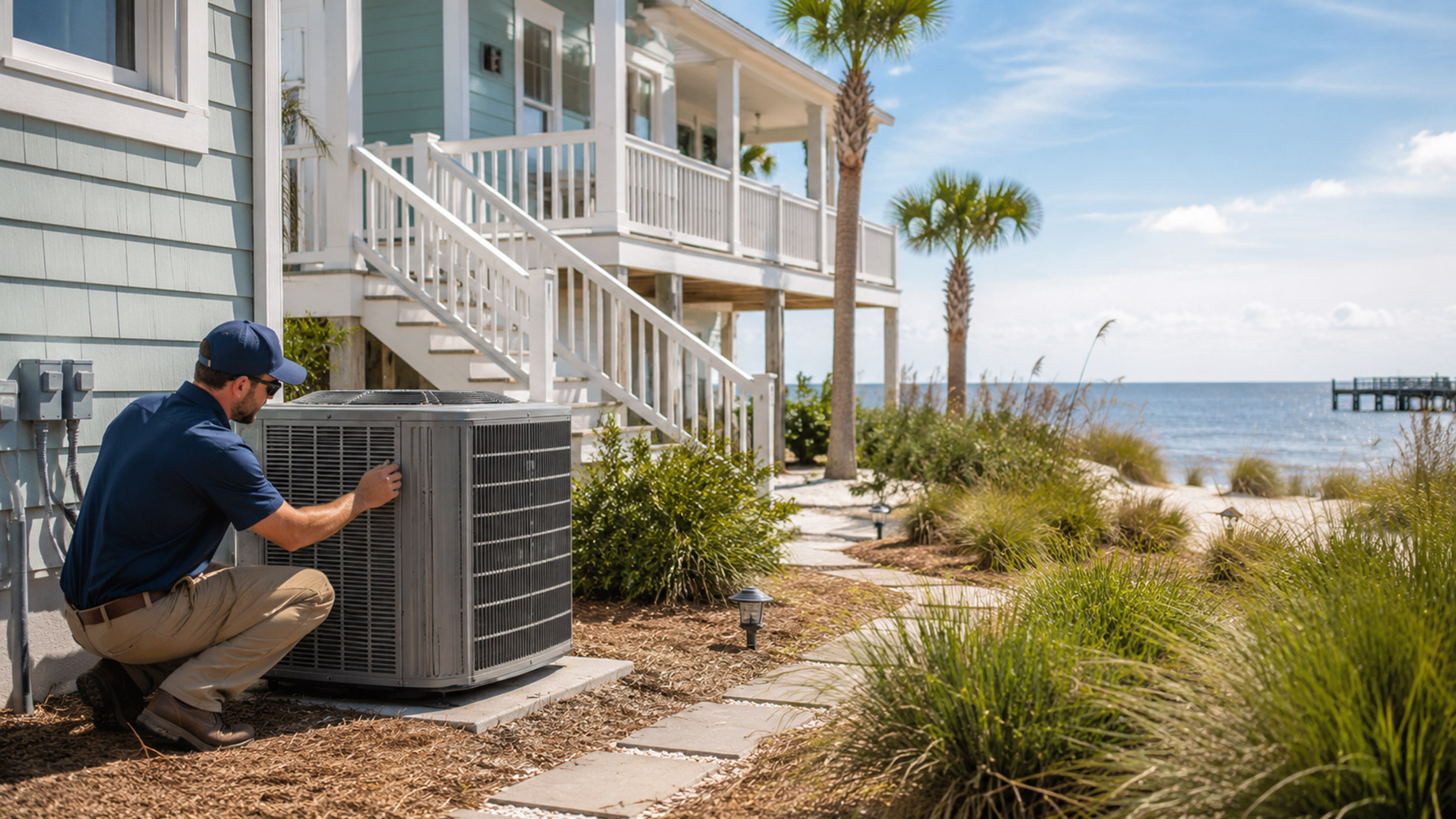
Owning a vacation rental on the Texas Gulf Coast looks effortless from the outside. The reality is that coastal homes face a specific mix of climate, salt, and seasonal demand that quietly shapes operating costs all year.
Owners who plan for these factors early tend to spend less on emergency repairs and earn more from satisfied guests. Those who treat a coastal home like an inland one usually learn the difference the hard way.
The Climate Factor
Texas Gulf Coast summers are long, humid, and hot. Properties from Galveston south to Port Aransas regularly run their cooling systems for seven or eight months a year. That sustained demand wears equipment faster than the manufacturer’s average life expectancy suggests.
Salt air is the other quiet expense. It corrodes outdoor coils, hardware, and electrical components. Owners who schedule twice-yearly maintenance, rather than annual, often catch issues before they turn into guest-facing failures, and tapping support for vacation rental owners on the Texas coast can simplify the scheduling.
Guest Expectations Have Changed
Today’s coastal guests expect indoor comfort that matches the property photos. A failed thermostat in July does not result in a refund request anymore. It results in a one-star review, a chargeback, and a canceled second booking.
Smart thermostats, monitored backup units, and humidity sensors are no longer luxuries. They are increasingly standard in higher-rated rentals, and the data they generate helps owners spot problems before guests do.
Storm Season and Insurance Realities
Hurricane season runs from June through November, with the most active months being August and September. Even storms that do not make direct landfall can damage rooftops, push water into crawl spaces, and knock systems offline through power surges.
Insurance premiums on the Gulf Coast have climbed sharply in the past three years. Owners who document maintenance, install surge protection, and elevate equipment where possible tend to negotiate better terms at renewal.
Building a Local Support Network
The owners who do this well share a habit: they invest in local relationships. A trusted cleaner, a responsive HVAC partner, and a handyman who answers the phone are worth more than any software dashboard.
Remote ownership is workable but rarely cheaper in the long run. The savings on a local property manager often disappear into the cost of emergency service calls, expedited shipping for replacement parts, and the occasional refund issued because no one was close enough to intervene quickly.
The Numbers Behind the Decisions
Industry data from coastal rental markets shows that properties with documented preventative maintenance plans see roughly 20 percent fewer guest complaints related to comfort issues. The same data points to higher average nightly rates for properties that publicly advertise reliable climate control.
The Texas Gulf Coast rewards owners who treat their property as a long-term presence in the community rather than a passive asset. That posture shows up in reviews, in retention, and ultimately in the value of the home itself.
