Commercial properties depend on cleanliness, organization, safety, and consistent maintenance to create an environment where employees, customers, visitors, and business operations can function comfortably. Pest activity can interfere with all of these priorities, even when the problem begins with only a few visible insects or signs of rodent activity. Businesses may encounter ants, cockroaches, rodents, spiders, flies, termites, stinging insects, fleas, and other unwanted pests depending on the type of property, surrounding conditions, and daily activities taking place inside the building. Unlike occasional pest encounters in a residential setting, commercial pest problems can affect employees, customers, inventory, equipment, stored products, and the overall reputation of a business. Some pests remain hidden for long periods, making it difficult to recognize the extent of a problem until activity becomes more noticeable. A proactive pest management strategy gives businesses an opportunity to identify vulnerabilities, address existing activity, and reduce the conditions that allow pests to return. By combining professional inspections with sanitation, structural maintenance, monitoring, and preventive practices, commercial property owners and managers can create a more reliable approach to protecting their facilities.
Why Commercial Properties Can Attract Pests
Commercial buildings often contain many of the resources pests need to survive, including food, water, warmth, shelter, and areas where they can remain undisturbed. Restaurants, food preparation facilities, warehouses, offices, retail properties, apartment buildings, schools, healthcare facilities, and other commercial environments each have their own potential pest pressures. Food-related businesses may have ingredients, waste, grease, moisture, and frequent deliveries that can create attractive conditions for insects and rodents. Warehouses may contain large quantities of stored products and packaging materials that provide shelter or potential food sources. Office buildings can experience pest activity around kitchens, break rooms, garbage areas, plumbing spaces, and storage rooms. Even businesses that do not handle food can encounter pests when structural openings, landscaping, moisture, or nearby waste provide opportunities for activity.
The way a commercial property operates can also influence pest conditions. Deliveries may introduce pests through boxes, pallets, containers, or other materials, while employees and customers can unintentionally bring pests indoors. Doors that remain open for extended periods can provide easy access for insects and rodents, particularly when food odors, lighting, or indoor temperatures are attractive. Waste collection areas can also become important sources of pest activity when garbage accumulates or containers are not properly maintained. Because commercial buildings often have many entry points and activity zones, pest prevention requires attention to the entire property rather than focusing only on the room where a pest is eventually noticed.
Recognizing Early Warning Signs
Early detection is one of the most effective ways for businesses to prevent pest problems from becoming more complicated. Visible insects are an obvious warning sign, but other indicators can be equally important. Droppings, gnaw marks, damaged packaging, unusual odors, grease marks, nests, webs, egg cases, shed insect skins, and unexplained sounds can all provide clues that pest activity may be occurring nearby. Employees may also notice recurring insects around specific drains, doors, storage areas, break rooms, or waste containers. A single observation may not indicate a serious infestation, but repeated signs should be taken seriously because pests often remain hidden when conditions allow them to do so.
Businesses should establish a process for reporting unusual pest activity so that employees know what to do when they notice something concerning. Delayed reporting can allow a small issue to develop unnoticed, particularly in large facilities where maintenance teams may not immediately enter every area. Managers can encourage staff to report recurring sightings, damaged products, droppings, or other signs without assuming that someone else has already addressed the problem. Early communication allows management and pest professionals to investigate the issue more quickly. This is particularly valuable in commercial environments where a pest problem can affect multiple departments or operational areas.
Protecting Business Reputation
A clean and well-maintained commercial property can influence how customers and visitors perceive a business. The sight of insects, rodents, webs, droppings, or damaged materials can create an immediate negative impression, even when the underlying problem is relatively limited. Customers may associate visible pest activity with poor sanitation or inadequate property maintenance, potentially affecting their confidence in the business. For restaurants, hospitality properties, food-related operations, and other customer-facing facilities, maintaining a strong pest prevention strategy can be particularly important because cleanliness is closely connected to customer expectations.
Reputation can also be affected when employees regularly encounter pest activity. Staff members deserve a workplace that is properly maintained and managed, and recurring pest concerns can create discomfort or frustration. Employees may become less confident in the condition of their working environment if pests are repeatedly observed without an effective response. A consistent management program demonstrates that the business takes property maintenance seriously. By addressing pest concerns proactively, businesses can support a cleaner environment while reducing the possibility that visible activity will become a recurring operational or reputational issue.
The Importance of Professional Inspection
Professional Commercial Pest Control can provide businesses with a structured approach to identifying and managing pest activity throughout a property. A professional inspection can examine areas that may not receive regular attention, including storage spaces, utility rooms, exterior walls, loading areas, waste zones, kitchens, drainage areas, mechanical spaces, and potential entry points. Technicians can look for evidence of current activity as well as environmental conditions that may encourage pests to remain nearby. This broader assessment can be especially useful because visible pests are not always located where the underlying problem originates. A professional can help determine whether activity is isolated or whether several areas of the property may be connected.
The inspection process can also help businesses understand what preventive improvements may be necessary. Small gaps around pipes, doors, windows, vents, utility penetrations, or building joints can provide access for pests, while vegetation, standing water, clutter, and waste can create favorable conditions outside the structure. Identifying these factors allows property managers to address vulnerabilities that might otherwise be overlooked. Professional recommendations can then be incorporated into the property’s broader maintenance routine. This combination of treatment and prevention is often more useful for long-term management than relying only on occasional responses when pests become visible.
Managing Food and Waste Areas
Food and waste management are especially important in commercial facilities because accessible food sources can attract a wide range of pests. Ingredients, food residue, grease, crumbs, spilled beverages, and improperly stored products can provide resources for insects and rodents. Businesses should establish cleaning procedures appropriate for their operations and ensure that food-related surfaces are maintained consistently. Storage areas should be organized so that products can be inspected easily, and damaged packaging should be addressed promptly. Maintaining clean floors, counters, shelving, equipment, and preparation areas can reduce opportunities for pests to find food.
Waste management should receive similar attention. Garbage containers should be maintained properly, emptied according to operational needs, and positioned in ways that limit pest access where practical. Waste areas should be inspected for spills, leaks, residue, and accumulated debris. Exterior dumpsters and collection areas can attract insects and rodents if organic waste remains accessible for extended periods. Cleaning these areas and maintaining reasonable separation from building entrances can help reduce the conditions that encourage pest activity. Because waste areas are often located near service doors and loading zones, poor management in these spaces can create a pathway for pests into the main facility.
Reducing Structural Entry Points
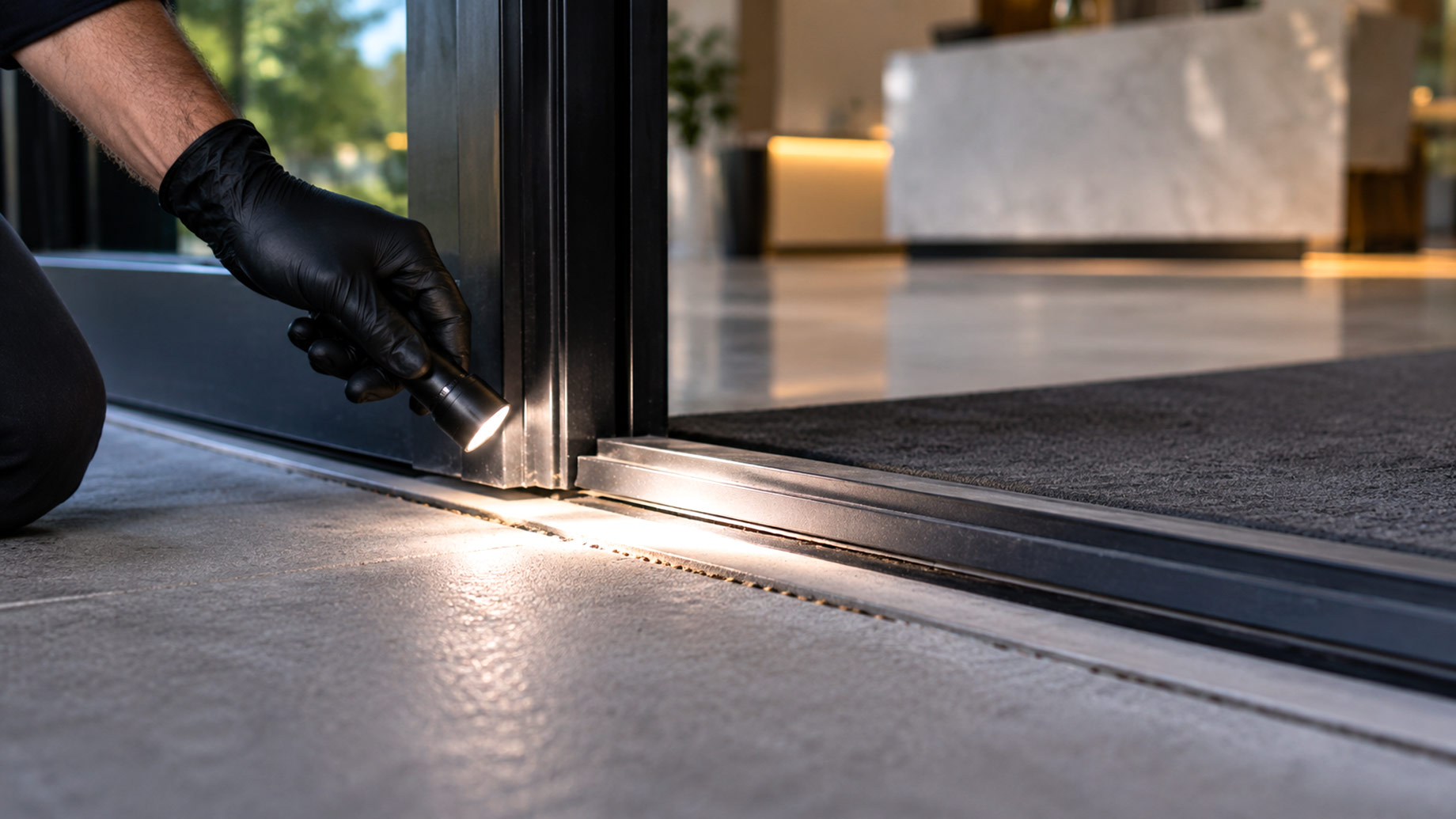
Commercial buildings can have numerous access points because of their size, utility systems, loading areas, doors, vents, and other structural features. Small openings around pipes, cables, ducts, windows, and doors can provide opportunities for insects and rodents to enter. Damaged screens, worn door sweeps, gaps beneath doors, cracks in foundations, and deteriorated seals should be identified and addressed as part of routine building maintenance. Keeping exterior doors closed when practical can also reduce opportunities for pests to move inside. Automatic doors and loading areas should be inspected regularly because frequent traffic can make these locations particularly vulnerable.
Structural exclusion does not necessarily mean that every opening must be sealed immediately or treated in the same way. A professional assessment can help prioritize areas based on their size, location, and relationship to observed pest activity. Businesses can then coordinate repairs with maintenance personnel or contractors as appropriate. Reducing entry opportunities is an important part of long-term prevention because treatments may have limited lasting value if pests can continue entering through the same openings. Combining exclusion with sanitation and monitoring can create several layers of protection around the property.
Managing Moisture and Drainage
Moisture can contribute to pest activity in many commercial environments. Leaking plumbing, clogged drains, condensation, roof leaks, poor exterior drainage, and standing water can create conditions that attract insects or support other organisms that become part of the pest food chain. Businesses should monitor areas where moisture routinely develops and respond to leaks or drainage issues as soon as practical. Restrooms, kitchens, mechanical rooms, basements, storage areas, and exterior drainage zones may require particular attention depending on the property.
Controlling moisture can benefit the building beyond pest prevention. Persistent water problems can contribute to material deterioration, unpleasant odors, and other maintenance concerns. By addressing leaks and drainage problems promptly, property managers can improve the overall condition of the facility while reducing conditions that may support unwanted pests. Professional pest inspections can also identify moisture-related conditions that may not be immediately obvious to staff. This allows maintenance teams to coordinate pest prevention with broader property care.
Protecting Stored Products and Inventory
Businesses that store food, merchandise, materials, packaging, or other products need to consider how pest activity could affect inventory. Rodents and insects can damage packaging, contaminate products, create waste, and cause operational disruptions. Even when pests do not directly damage inventory, evidence of their presence can lead to products being discarded or isolated for inspection. Organized storage makes it easier to monitor inventory and identify unusual damage early. Products should be stored in ways that allow reasonable access for cleaning, inspection, and pest monitoring.
Receiving areas are also important because products and packaging can introduce pests into a facility. Deliveries should be checked for obvious signs of pest activity when appropriate, particularly when materials arrive from multiple sources. Pallets, cardboard, containers, and stored packaging can create hiding places for insects and rodents. Maintaining clean and organized receiving areas can help reduce opportunities for pests to move from incoming materials into the broader facility. A comprehensive pest management plan should therefore consider the entire flow of products through the business.
Monitoring High-Risk Areas
Regular monitoring can help businesses detect changes before they become larger problems. High-risk areas may include kitchens, break rooms, storage rooms, loading docks, waste areas, utility spaces, exterior entrances, drainage zones, and locations with previous pest activity. Monitoring should be consistent enough to identify trends rather than simply checking a location after someone reports a pest sighting. Changes in activity can provide valuable information about whether conditions are improving or whether additional attention is needed.
Professional monitoring can supplement the observations made by employees and maintenance personnel. Technicians can inspect targeted areas, evaluate evidence, and adjust management strategies based on findings. This is particularly useful for large properties where pest activity can develop in one area without immediately becoming visible elsewhere. Ongoing monitoring allows businesses to respond based on actual conditions rather than assumptions. It also creates an opportunity to identify new vulnerabilities as the property changes over time.
Training Employees in Pest Prevention
Employees can play an important role in maintaining commercial pest prevention standards. Staff members interact with food, waste, storage areas, doors, deliveries, equipment, and other parts of the property every day, making them valuable sources of information about unusual activity. Basic training can help employees recognize common warning signs and understand the importance of reporting them promptly. Workers should know where to report sightings and should understand that small signs can be meaningful when they occur repeatedly.
Employee habits can also influence pest conditions. Leaving food uncovered, failing to clean spills, keeping exterior doors open unnecessarily, or allowing waste to accumulate can create opportunities for pests. Clear procedures help establish consistent expectations across departments and shifts. When employees understand how their daily actions contribute to pest prevention, professional treatment and building maintenance efforts can become more effective. A successful program is therefore not only the responsibility of the pest professional but also a shared part of facility management.
Developing a Preventive Management Program
A preventive pest program is generally more effective when it is customized around the property’s specific risks and operating conditions. A commercial facility with food preparation areas will have different priorities from an office building, warehouse, retail store, or industrial property. The frequency of inspections, monitoring locations, sanitation procedures, exclusion work, and professional treatments can be adjusted according to the type of business and the level of risk. This allows resources to be focused where they are most valuable rather than applying identical procedures to every area.
Documentation can also be useful in a commercial setting. Records of inspections, pest sightings, corrective actions, maintenance issues, and professional services can help property managers track patterns over time. If activity increases in a particular area, previous records may provide clues about recurring conditions. Documentation can also improve communication between managers, maintenance teams, employees, and pest professionals. A well-organized program provides businesses with a clearer understanding of what has been done and what may still require attention.
Why Ongoing Prevention Matters
Pest prevention should not be viewed as a one-time project because commercial properties are constantly changing. New shipments arrive, landscaping grows, doors and seals wear down, plumbing systems develop leaks, businesses change operating schedules, and storage arrangements shift. Any of these changes can create new opportunities for pests. A property that was well protected several months ago may develop vulnerabilities later without obvious warning. Ongoing inspections and maintenance help identify these changes before they become significant problems.
Consistent prevention can also reduce the need for emergency responses. When pest activity is monitored and vulnerabilities are addressed regularly, businesses have a better opportunity to identify concerns while they are still manageable. This can reduce disruption to operations and provide greater predictability for property managers. Professional service can be scheduled as part of a broader maintenance strategy rather than being used only after a major infestation has developed. A proactive mindset helps businesses stay ahead of changing pest conditions.
Choosing a Professional Pest Management Provider
Selecting the right pest management provider is an important decision for any business. Commercial properties require a service approach that understands the importance of operational schedules, customer-facing areas, employee environments, inventory, sanitation procedures, and building maintenance. A qualified provider should take time to inspect the property, understand the business’s specific concerns, and develop recommendations based on actual conditions. Clear communication is essential because property managers need to understand what was found, what actions are recommended, and what preventive improvements may be necessary.
A strong professional relationship should also include follow-up and ongoing evaluation when appropriate. Pest activity can change over time, and a management plan may need adjustment as conditions develop. Regular communication between the business and service provider allows concerns to be addressed before they become more disruptive. The ultimate goal should be consistent pest prevention and property protection rather than simply responding to individual sightings. With the right combination of professional expertise, employee awareness, sanitation, exclusion, and monitoring, businesses can establish a more dependable approach to maintaining their facilities.
Conclusion
Commercial pest management is an important part of maintaining a clean, comfortable, and properly managed business environment. Pests can enter through small structural openings, arrive with deliveries, find food in kitchens and waste areas, or establish themselves in quiet spaces where activity may remain unnoticed for extended periods. Addressing these risks requires more than treating visible insects or rodents after they appear. A comprehensive strategy considers sanitation, moisture management, structural exclusion, storage practices, employee awareness, exterior conditions, monitoring, and professional inspections. When these elements work together, businesses have a stronger opportunity to identify problems early and reduce the conditions that encourage pests to remain active.
Professional commercial pest control can provide the expertise and structured monitoring needed to manage pest concerns across different types of commercial properties. Regular inspections can identify hidden activity and vulnerabilities, while targeted management and preventive recommendations can help protect the facility over time. Businesses can support these efforts by maintaining clean workspaces, managing waste carefully, addressing leaks, keeping storage areas organized, sealing potential entry points, and encouraging employees to report unusual signs promptly. Taking a proactive approach can reduce disruptions, protect property and inventory, and support a more positive experience for employees and customers. Ultimately, commercial pest control is most effective when it becomes part of an ongoing property maintenance strategy, helping businesses stay prepared for changing conditions instead of waiting until pest activity becomes a serious operational concern.
