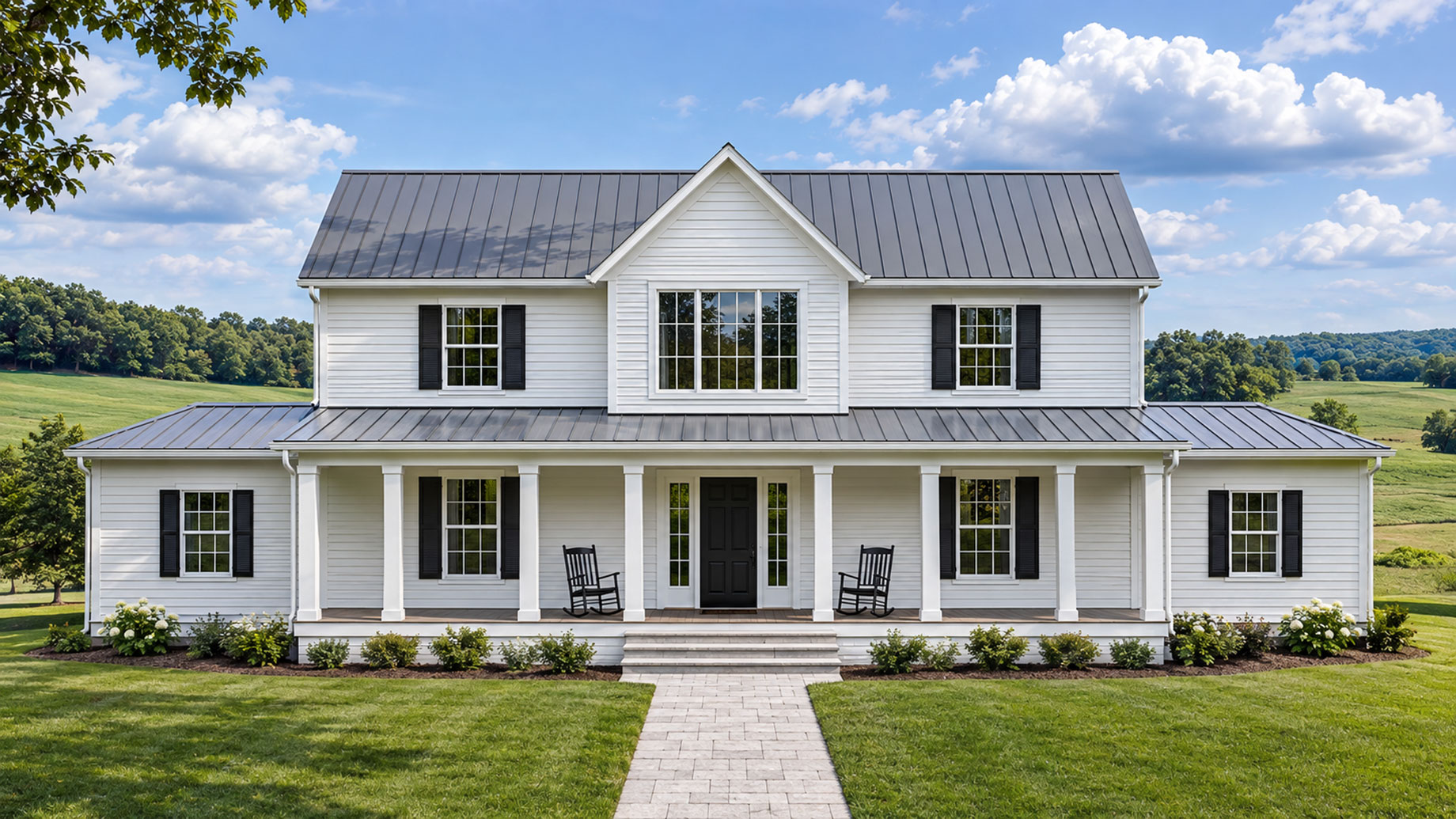
Designing a home for a family is exciting, whether it is a spacious property outside Little Rock, a quiet rural retreat, or a modern family home in a growing Arkansas community.
However, building a house is more than selecting a floor plan and choosing finishes. You need to ensure you have land, meet local building requirements, have access to utilities, and have a contractor who oversees the project well.
In short, successful homebuilding starts with three key decisions: choosing the right lot, understanding local permitting requirements, and finding a qualified builder.
Finding the Right Lot: What to Check Before Buying Land in Arkansas
A property’s location and appearance shouldn’t be the only factors in your final decision. Every part of a beautiful house requires considerable preparation.
You must understand zoning and land-use restrictions. Check local zoning classifications and permitted residential uses. Determine whether the property has restrictions involving minimum lot sizes, setbacks, building height, or subdivision covenants. Check whether the intended home design is permitted. Requirements can vary between cities, counties, and unincorporated areas.
Check the soil conditions and drainage. Soil testing and site evaluations are really important before construction. A bad drainage system and erosion can lead to expenses. Look for flood exposure for homes near rivers and waterways. Also, check FEMA flood maps and get professional assessments when needed.
Lastly, check that the home has access to utilities. Check if public water and sewer are available. Also, check whether the property requires a private well or septic system. Is electricity accessible in the location? What will it cost to extend utilities to the building site? Are internet and other essential services available?
A cheaper lot is not always the most affordable option. Land that needs extensive grading and drainage improvements can lead to high costs.
Understanding Arkansas Building Permits and Local Regulations
What Permits Do You Need Before Building?
Permits and inspections help ensure residential construction complies with applicable safety, structural, electrical, plumbing, and other requirements.
- Building permits: Local authorities require approval before residential construction begins.
- Electrical and plumbing permits: The approvals and inspections that may apply to these installations.
- Septic permits: Properties without public sewer connections may require approval through the relevant Arkansas Department of Health process.
- You might need new access points or driveways and those may require separate authorization.
- Additional reviews may apply depending on the property’s location if it’s near wildlife or restricted areas.
Inspections may occur at different stages, including foundation, framing, electrical, plumbing, and final completion, depending on local requirements.
What Arkansas Homeowners Should Look For
A builder does more than coordinate labor and materials. The contractor helps translate the homeowner’s plans into a finished property while managing schedules, budgets, subcontractors, and construction quality.
When choosing a home builder in Arkansas, review a contractor’s experience, projects, communication practices, and ability to manage the specific type of home they plan to build.
A. Look for credentials and license
- Check applicable contractor licensing and registration requirements.
- Verify general liability insurance and workers’ compensation coverage, as applicable.
- Ask whether subcontractors have the required qualifications. Check if there are any complaints or unresolved disputes.
B. Review the projects the builder has done before
- Ask for photographs of the completed projects.
- Check if the builder has experience with similar architectural styles.
- If possible, visit completed properties or speak with previous customers.
C. Compare estimates
Homeowners should compare material specifications and allowances. Also, labor and subcontractor costs, site preparation and foundation expenses. Moreover, look for construction timelines and warranty coverage.
D. Evaluate communication
A dependable builder will explain the construction process and give you realistic schedules and delays.
The Arkansas Contractors Licensing Board states that a Residential Builders License is generally required to build a single-family residence when the project cost exceeds $2,000, subject to applicable exceptions. Homeowners should verify the builder’s current licensing status.
Budgeting for Your Arkansas Home
Homeowners should establish a realistic budget before breaking ground. The purchase price of the land and the builder’s construction estimate are only two parts of the overall investment.
Some of the important expenses to look into are land purchase and closing costs, land clearing, grading, and excavation, and foundation and drainage work. Also, check the cost for utility connections and septic installation, architectural plans, surveys, and engineering. Other than that, permits, inspections, and applicable local fees need to be looked into.
Keep a contingency allowance for unexpected expenses. Site conditions, material availability, weather, and design changes can all affect the final budget.
Homeowners should request an itemized estimate and understand which costs are excluded from the builder’s proposal.
Creating a Realistic Construction Timeline
From Land Purchase to Move-In: What Should Homeowners Expect?
The stages of a home construction are:
- Land selection, due diligence, and purchase.
- Architectural design and planning.
- Soil testing, surveys, and site evaluations.
- Permit applications and approvals.
- Site preparation and foundation work.
- Framing, roofing, and exterior construction.
- Electrical, plumbing, HVAC, and insulation.
- Interior finishes, final inspections, and handover.
Construction schedules depend on the property’s location, design complexity, permit approvals, contractor availability, and weather conditions.
Arkansas homeowners should also consider seasonal rainfall and potential weather-related interruptions when planning excavation, foundation work, and exterior construction.
Building Your Arkansas Home Starts With Making the Right Choices
A successful homebuilding project results from several smaller decisions made correctly, starting with the property and continuing through permits, budgeting, contractor selection, and construction.
Prospective homeowners should investigate their land before committing, understand local regulations, and compare builders based on experience, transparency, and project management rather than price alone.
Silver Field Construction is a construction partner for homeowners looking to approach their building projects with careful planning, clear communication, and attention to construction quality.
FAQs
1. Do I need a building permit to construct a house in Arkansas?
Requirements depend on the property’s jurisdiction and the type of work. Homeowners should contact their local building department before starting construction.
2. What should I check before buying land to build a house in Arkansas?
Cover zoning, property boundaries, soil conditions, drainage, flood risk, road access, and utility availability.
3. Do I need a licensed builder to construct a home in Arkansas?
Arkansas Residential Builders License requirements, including the general $2,000 project-cost threshold and applicable exceptions.
4. How do I choose the right home builder in Arkansas?
Licensing, insurance, previous projects, references, written estimates, construction contracts, communication, and warranties.
