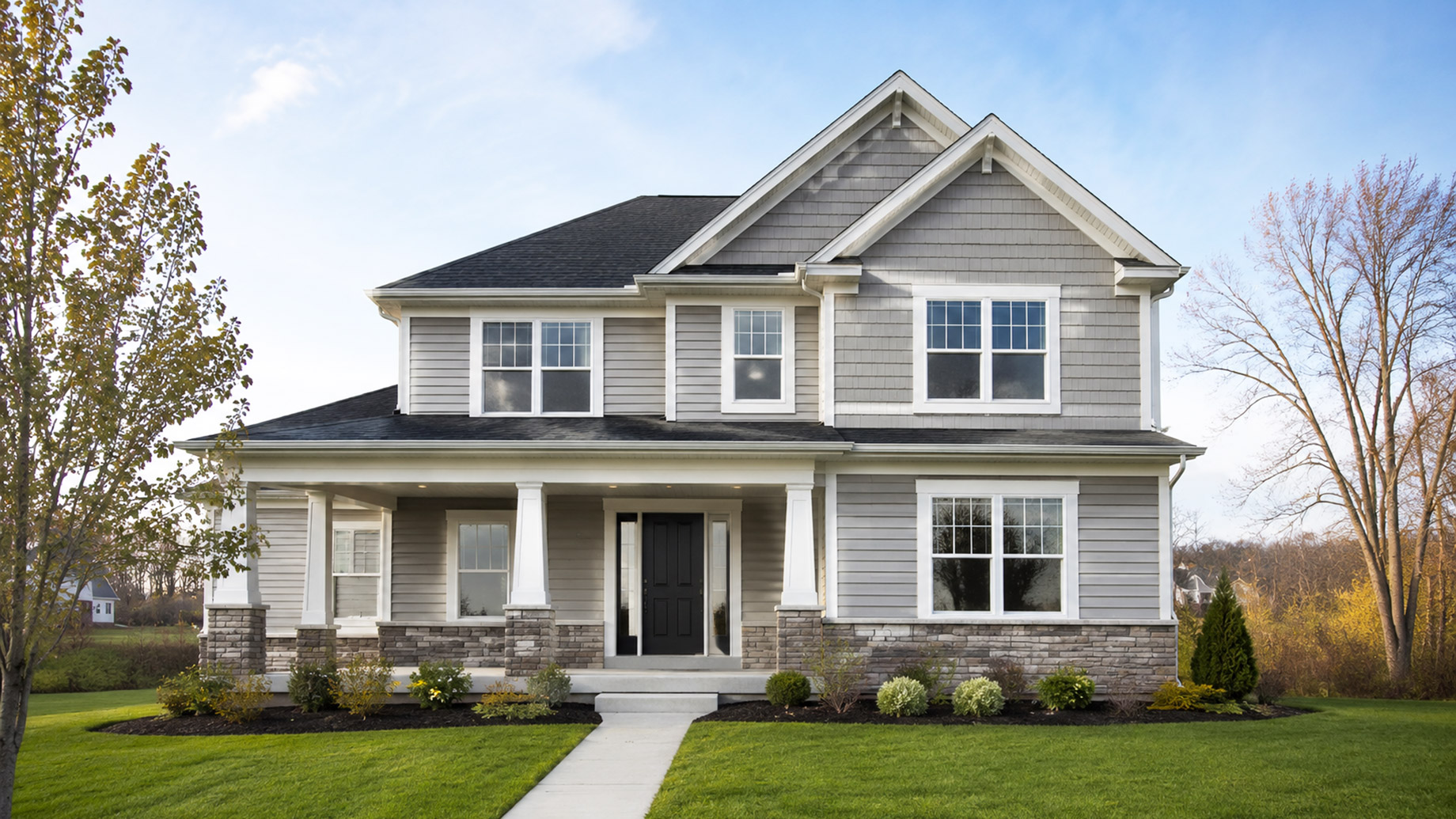
Choosing the right siding for your home is an important decision for homeowners in Northern Indiana. Siding affects curb appeal, energy efficiency, weather protection, maintenance requirements, and long-term property value. Because homes in Northern Indiana experience snow, freezing temperatures, humidity, rain, wind, and seasonal storms, selecting durable siding materials is especially important.
Modern siding options offer homeowners a wide range of styles, colors, textures, and performance benefits. Understanding the advantages of different siding materials can help homeowners choose the best option for their property, budget, and climate conditions.
Why Siding Matters in Northern Indiana
Siding serves as one of the primary protective barriers for residential homes.
Protection Against Weather
Northern Indiana homes experience changing weather conditions throughout the year.
Quality siding helps protect homes from moisture, wind, snow, and temperature fluctuations.
Improved Energy Efficiency
Modern siding systems can help improve insulation and reduce heating and cooling costs.
Enhanced Curb Appeal
Updated siding can completely transform the appearance of a home and increase property value.
Vinyl Siding
Vinyl siding remains one of the most popular siding choices for homes in Indiana.
Why Homeowners Choose Vinyl Siding
Vinyl siding is known for affordability and low maintenance.
Benefits of Vinyl Siding
Homeowners often choose vinyl siding because it:
Requires Minimal Maintenance
Vinyl siding does not require regular painting or staining.
Offers Many Color Options
Modern vinyl siding is available in a wide variety of colors and styles.
Provides Good Weather Resistance
Vinyl siding performs well in many climate conditions when installed properly.
Vinyl Siding Lifespan
Most vinyl siding lasts between 20 and 40 years depending on material quality and maintenance.
Fiber Cement Siding
Fiber cement siding has become increasingly popular for homeowners seeking durability and premium appearance.
What Is Fiber Cement Siding?
Fiber cement siding is made from cement, sand, and cellulose fibers.
Benefits of Fiber Cement Siding
Fiber cement offers several advantages.
Strong Weather Resistance
Fiber cement siding performs well against moisture, storms, and temperature changes.
Wood-Like Appearance
Many homeowners choose fiber cement because it closely resembles natural wood siding.
Fire Resistance
Fiber cement is non-combustible and offers improved fire resistance compared to some siding materials.
Fiber Cement Siding Lifespan
Properly maintained fiber cement siding can last 30 years or longer.
Engineered Wood Siding
Engineered wood siding offers a balance between natural appearance and modern durability.
Appearance Benefits
Engineered wood products often replicate the look of traditional wood siding.
Improved Moisture Resistance
Compared to natural wood, engineered wood is designed to better resist moisture and pests.
Maintenance Requirements
Regular maintenance and proper sealing help maximize siding lifespan.
Traditional Wood Siding
Wood siding remains popular for certain architectural styles and historic homes.
Natural Appearance
Many homeowners appreciate the authentic appearance and texture of real wood.
Maintenance Considerations
Wood siding generally requires more maintenance than vinyl or fiber cement.
Vulnerability to Moisture and Pests
Without proper maintenance, wood siding may become vulnerable to rot, insects, and weather damage.
Metal Siding Options
Metal siding is less common for residential homes but continues gaining popularity for certain designs.
Durability Benefits
Metal siding performs well in harsh weather conditions.
Modern Appearance
Some homeowners choose metal siding for contemporary home designs.
Factors to Consider When Choosing Siding
Several factors influence which siding material is best for a home.
Climate and Weather Conditions
Northern Indiana weather includes snow, rain, humidity, and seasonal storms.
Homeowners should prioritize weather-resistant siding materials.
Maintenance Expectations
Some siding materials require significantly more maintenance than others.
Budget and Long-Term Value
Initial installation costs vary depending on material type and project complexity.
Home Style and Appearance
Certain siding styles complement specific home designs better than others.
Energy Efficiency and Insulated Siding
Some siding systems include additional insulation benefits.
Improved Indoor Comfort
Insulated siding can help regulate indoor temperatures throughout the year.
Lower Energy Bills
Improved insulation may reduce heating and cooling costs over time.
Signs Your Home May Need New Siding
Homeowners should watch for signs of siding deterioration.
Cracks or Warping
Visible damage may allow moisture intrusion behind siding panels.
Fading and Discoloration
Older siding may fade from years of sun exposure.
Mold or Moisture Issues
Water damage behind siding can lead to mold growth and structural concerns.
Higher Utility Bills
Poor siding performance may reduce energy efficiency.
Why Professional Siding Installation Matters
Proper installation affects siding durability, efficiency, and appearance.
Moisture Protection
Professional siding contractors prevent water intrusion and structural damage.
Proper Insulation and Sealing
Experienced contractors help maximize energy efficiency and weather protection.
Long-Term Durability
Quality workmanship helps siding systems perform better over time.
Choosing the Best Siding for Your Home
The best siding material depends on your budget, maintenance preferences, home design, and long-term goals.
Many Northern Indiana homeowners prioritize durability, weather resistance, energy efficiency, and curb appeal when selecting siding materials.
Working with experienced siding professionals can help homeowners compare options and choose the best solution for their property.
