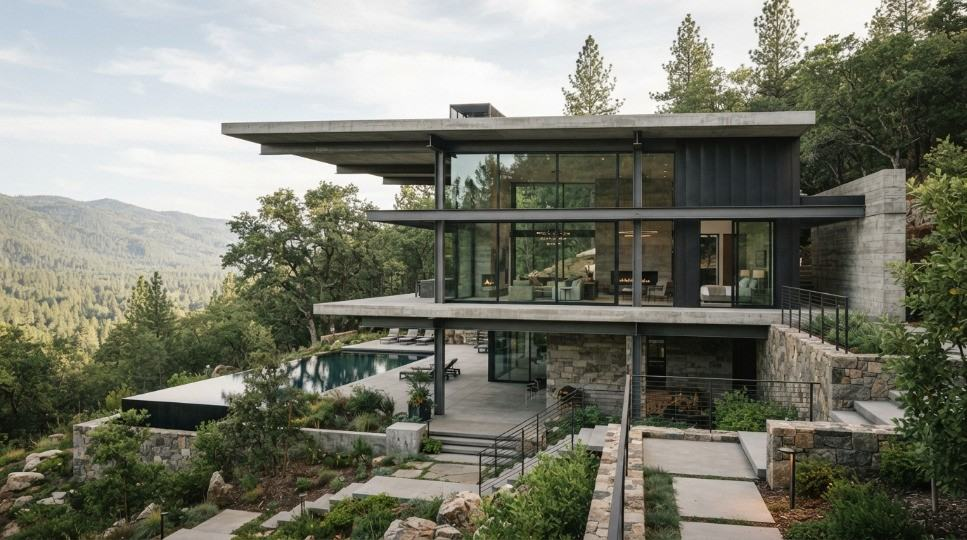
Luxury real estate is often defined by dramatic architecture, expansive glass walls, premium materials, custom interiors, and exceptional locations. Yet some of the most important qualities of a luxury property remain hidden behind those visual details. The strength of the structure, the condition of critical building components, and the quality of construction can determine how well a property performs for decades.
For high-value properties, structural integrity is more than an engineering concern. It is part of protecting the investment itself. This is why general structural inspections can be valuable when evaluating an existing luxury property, particularly before small concerns develop into expensive repairs.
Luxury Architecture Depends on Structural Engineering
Modern luxury homes often feature large open spaces, cantilevered forms, expansive windows, rooftop terraces, dramatic overhangs, and unusual floor plans. These architectural elements can create an impressive visual experience, but they also require careful structural planning.
A column-free living area, for example, still needs a reliable system for transferring loads. Steel framing, reinforced concrete, engineered wood, foundations, beams, and connections all have to work together, even when much of the structure is hidden from view.
Good structural engineering does not compete with architectural design. It allows architects to create ambitious spaces while maintaining the strength and performance required from the building.
Structural Quality Is Part of Property Value
Luxury buyers may initially focus on location, finishes, amenities, and design, but structural quality can have a significant effect on long-term property value. A kitchen can be remodeled, flooring can be replaced, and lighting can be updated. Structural problems can be much more complicated. They may require extensive investigation, specialized repairs, and disruption to other parts of the property.
This is especially important with older luxury homes. Renovations, weather exposure, material deterioration, and changes to the property’s original layout can all affect how a building performs today. A beautiful property still has a life cycle, and understanding that life cycle is part of responsible ownership.
Warning Signs Worth Investigating
Structural concerns do not always appear as dramatic failures. Sometimes they begin with changes that are easy to overlook. Growing cracks, uneven floors, recurring moisture, deteriorating concrete, or doors and windows that suddenly become difficult to operate may deserve further attention. None of these signs automatically means a serious structural problem exists, but their location, pattern, history, and surrounding conditions can provide important clues.
Homeowners should also be careful about making assumptions based solely on appearance. A small crack may be cosmetic, while a seemingly minor area of deterioration could have a more significant underlying cause.
Professional evaluation can help distinguish normal aging from conditions that require action.
Water Can Affect Structural Performance
Water is one of the most persistent threats to buildings. Luxury properties can be particularly exposed because they often include balconies, terraces, pools, rooftop areas, expansive glazing, and complex landscaping or drainage systems.
When waterproofing or drainage fails, moisture can gradually reach materials that were not designed for prolonged exposure. Over time, this can contribute to corrosion, concrete deterioration, damaged finishes, and other building problems.
The earlier a moisture issue is identified, the more options an owner may have for addressing it. Preventive attention can also reduce the chance that a relatively manageable issue develops into a major repair project.
Renovations Can Change More Than Appearance
Luxury homeowners frequently modify their properties to create larger rooms, new openings, expanded kitchens, outdoor living areas, or more dramatic architectural features.
These changes can transform a home’s appearance, but they can also affect how loads move through the building. Removing a wall, creating a large opening, or adding a heavy feature may require structural consideration before construction begins.
This does not mean ambitious renovations should be avoided. It means structural planning should be included alongside architectural and interior design decisions.
When engineering and design work together, renovations can enhance a property without creating unnecessary structural risks.
Luxury Properties Have Different Structural Challenges
Every luxury property has its own structural characteristics. A coastal residence, mountain home, historic estate, and contemporary urban property can face very different environmental and engineering conditions.
Climate, soil, wind exposure, moisture, seismic activity, construction methods, and material selection can all influence long-term performance. Luxury properties may also combine steel, concrete, stone, glass, and timber, creating different points of interaction between materials.
The complexity of a building makes understanding those relationships even more important. Proper maintenance and periodic professional assessment can help owners stay ahead of developing problems.
Preventive Inspections Protect Long-Term Investments
Structural inspections are not only useful when something has already gone wrong. They can also provide valuable information before a property purchase, major renovation, or significant repair project.
For buyers, an assessment can provide another layer of understanding about the property’s condition. For existing owners, it can help identify concerns before they become more expensive or disruptive.
This approach makes particular sense for luxury properties because the financial investment is often substantial. Protecting the underlying structure can help protect everything built around it, from expensive finishes to custom architectural features.
Structural Expertise Supports Better Decisions
Structural engineering helps property owners understand how a building behaves, why certain problems may be occurring, and what options may be available.
This expertise can be useful when investigating visible damage, evaluating an older property, planning renovations, assessing deterioration, or determining appropriate repair strategies. For firms such as AskGBatista, the focus is on connecting engineering knowledge with practical property needs.
That perspective is particularly valuable in luxury real estate, where buildings can contain complex architectural features and significant investments in materials and construction.
Luxury Should Include What You Cannot See.
The most memorable part of a luxury residence may be its architecture, interior design, views, or craftsmanship. Beneath all of those visible features, however, is the structural system that makes the property possible.
Structural integrity affects safety, durability, maintenance costs, renovation possibilities, and long-term value. A property designed to perform well over time can offer something that goes beyond its initial visual appeal.
The best luxury properties combine exceptional design with sound construction, thoughtful engineering, regular maintenance, and long-term performance. True luxury is not only about what a property looks like today. It is also about how confidently it can continue to perform tomorrow.
Frequently Asked Questions
Why is structural integrity important in luxury real estate?
Structural integrity affects the safety, durability, performance, and long-term value of a property. In luxury homes, where construction and renovation investments can be substantial, maintaining the underlying structure is especially important.
What are common signs of structural problems?
Growing cracks, uneven floors, recurring moisture, deteriorating concrete, and changes in doors or windows can sometimes indicate underlying issues. These signs do not automatically mean a serious structural problem exists, so professional evaluation may be appropriate.
Should a luxury home be inspected before purchase?
Yes. A professional assessment can give buyers a better understanding of the property’s existing condition and identify concerns that may not be obvious during a standard property viewing.
Can renovations affect a home’s structural integrity?
Yes. Removing walls, creating large openings, adding heavy features, or significantly changing a property’s layout can affect load distribution. Structural considerations should therefore be included when planning major renovations.
How can homeowners protect the structure of a luxury property?
Regular maintenance, early investigation of visible problems, proper drainage and moisture management, and professional inspections when appropriate can help protect a property’s structural performance over time.