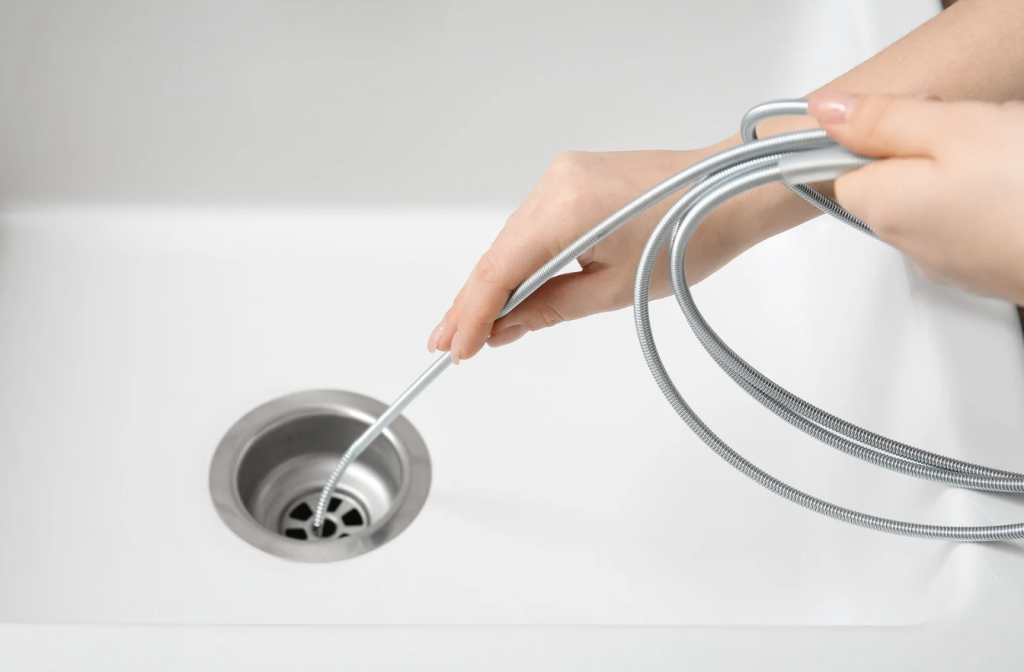
Household drains clog most often from fats, oils, and grease poured down kitchen sinks, hair and soap residue building up in bathroom drains, and foreign objects like wipes flushed down toilets despite being labeled flushable. Understanding which cause applies to your specific drain is the first step to preventing future clogs instead of simply clearing the same blockage over and over.
In many homes requiring Drain Cleaning Lakewood CO, the blockage is not caused by a single incident. It is the result of years of buildup, aging pipes, or a plumbing issue that has gradually worsened over time.
If you find yourself reaching for a plunger every few weeks, the clog is a symptom rather than the root problem.
Here is what is really happening inside your pipes and how to keep it from happening again.
The Number One Cause of Kitchen Drain Clogs
Fats, oils, and grease (FOG), as they are known in the plumbing and wastewater industry, are responsible for a striking share of drain and sewer blockages nationwide. According to EPA data, grease from restaurants, homes, and industrial sources is the most common cause of reported sewer blockages, accounting for roughly 47 percent of them.
The mechanism is simple but easy to overlook. Cooking fats and oils are liquid when hot, which makes them seem harmless to pour down the drain. As they cool inside your pipes, they harden and stick to the pipe walls, gradually narrowing the opening. Over time, the grease traps food scraps, coffee grounds, and other debris until a full blockage forms. Plumbing and cleaning experts interviewed by The Spruce also warn that even small amounts of cooking oil can cling to pipes and attract additional debris, making clogs worse over time.
The fix is straightforward. Let grease and cooking fat cool in a disposable container, then throw it in the trash instead of pouring it down the sink. Wiping greasy pans with a paper towel before washing them also helps keep FOG out of your plumbing. This single habit change can prevent many kitchen drain clogs before they start.
Why Bathroom Drains Clog Differently
Bathroom sinks and showers face a different combination of culprits. Hair is the primary offender in shower and tub drains, since it does not break down and instead catches on the drain’s crossbar or initial pipe bends, gradually forming a mat that traps soap scum and other debris.
Soap itself contributes to the problem, particularly bar soap, which contains fats that can combine with hard water minerals to form a substance called soap scum. This scum coats pipe walls in a similar way to grease, narrowing the passage over time even without a single dramatic clog event.
A simple mesh drain cover in showers and bathroom sinks catches hair before it enters the pipe, which prevents the majority of bathroom clogs with almost no effort required.
The Toilet Problem: “Flushable” Doesn’t Mean What You Think
This is one of the most common and preventable sources of clogs. Many products marketed as flushable, including baby wipes and certain cleaning wipes, do not break down the way toilet paper does. They can travel far enough to clear the toilet trap but then catch at pipe bends or narrower sections further down the line, creating blockages that standard plunging cannot reach.
Items that should never go down a toilet, regardless of packaging claims, include:
- Baby wipes and cleaning wipes, even those labeled flushable
- Feminine hygiene products
- Cotton balls, cotton swabs, and dental floss
- Paper towels, which are designed to be stronger and more absorbent than toilet paper, do not break apart the same way
If your household regularly uses wipes, the simplest fix is a small trash bin next to the toilet specifically for wipe disposal.
When the Problem Is Deeper Than a Single Drain
If multiple drains in your home are clogging around the same time, or if a clog keeps returning shortly after you clear it, the issue may not be isolated to that one fixture. This pattern often points toward a main sewer line problem rather than a simple local blockage.
Common causes of recurring, whole-house clog patterns include tree roots growing into underground pipes through small cracks, which create a net-like obstruction that catches debris over time, and old pipes developing sagging sections, sometimes called bellies, where water and solid material collect instead of flowing through normally.
These issues typically require a professional inspection, often with a camera run through the line, since the blockage is not accessible with standard home tools. If you have tried clearing a clog multiple times and it keeps coming back within days or weeks, this is a strong signal that the problem is further down the line than a plunger or basic snake can reach.
Simple Habits That Prevent Most Clogs
A short list of consistent habits prevents the large majority of recurring drain problems:
- Never pour cooking grease, fats, or oils down any drain
- Use mesh drain covers in showers and bathroom sinks to catch hair before it enters the pipe
- Only flush toilet paper and human waste, regardless of what packaging claims about other products
- Run hot water briefly after using the kitchen sink to help move any residual grease through before it has a chance to cool and solidify
- Schedule a professional drain inspection every few years, especially in older homes, to catch developing issues like root intrusion before they cause a full blockage
When to Call a Professional Instead of DIY
Occasional slow drains often respond to a plunger or a simple drain snake. But if a clog resists these tools, keeps recurring, or affects multiple fixtures at once, it is time to bring in a professional rather than continuing to attempt DIY fixes. Chemical drain cleaners in particular are worth avoiding for stubborn clogs, since they can damage older pipes and are often ineffective against solid grease or root blockages anyway.
If you are dealing with a clog that will not clear with standard tools, or one that keeps coming back, professional drain cleaning in Lakewood, CO can identify whether the issue is localized or part of a larger line problem, since guessing wrong here often means paying for the same fix twice.
Frequently Asked Questions
Are chemical drain cleaners safe to use regularly? Regular use is not recommended. Chemical drain cleaners can corrode older pipes over time, and they are frequently ineffective against grease buildup or hair mats, which means you may be adding pipe damage without actually solving the clog.
How often should drains be professionally cleaned as preventive maintenance? For most households, every one to two years is reasonable, though homes with older plumbing, mature trees near the sewer line, or a history of frequent clogs may benefit from more frequent inspection.
Can a garbage disposal handle grease and food scraps safely? A garbage disposal grinds up food waste, but does not prevent grease from solidifying further down the pipe. Grease should still go in the trash rather than down the disposal, even if the disposal itself handles the initial grinding without issue.