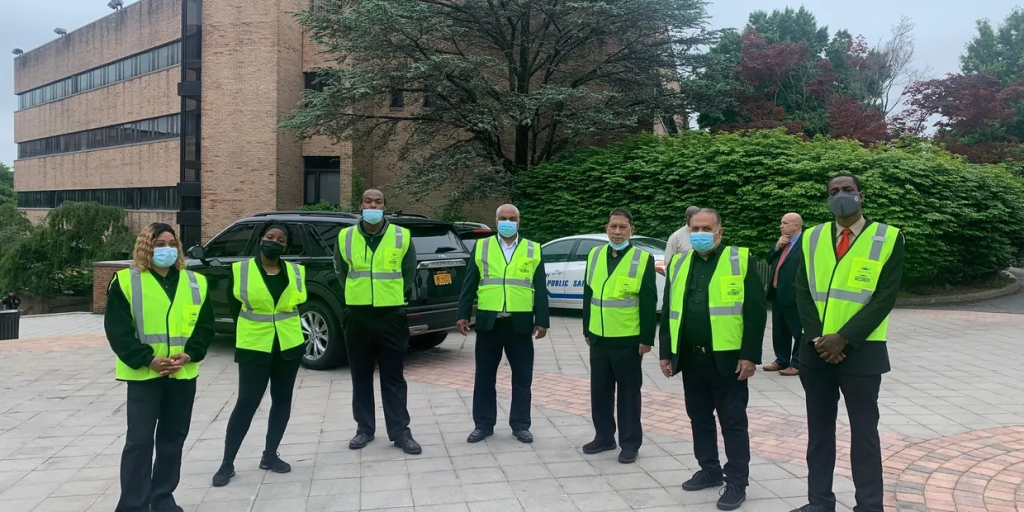
Residential communities now deal with growing concerns involving package theft, parking disputes, unauthorized visitors, and property damage. Residents expect faster response and stronger visibility around shared spaces.
Security guards help communities manage those risks before they escalate. Their presence improves monitoring, supports faster incident handling, and helps maintain safer residential environments.
Why Residential Communities Need Visible Security Presence
Residential communities often rely on active monitoring to reduce suspicious activity and improve resident confidence. Property managers working with HOA security guards in Los Angeles frequently use patrol coverage and access monitoring to maintain stronger day-to-day security oversight.
Visible guards also help discourage behavior that cameras alone cannot stop. Faster response, direct communication, and active patrol presence create stronger control across entrances, parking areas, and shared amenities.
- Visible patrol activity
- Faster incident response
- Better visitor oversight
- Stronger overnight monitoring
Common Security Challenges Residential Communities Face
Residential communities regularly experience security concerns involving trespassing, parking conflicts, noise complaints, and unauthorized activity around shared areas. Many property managers use security guard services to improve monitoring, reduce disruptions, and maintain stronger control across residential properties.
1. Unauthorized Visitors
Open residential communities often attract unwanted visitors who enter shared spaces without permission during evenings, weekends, or busy delivery hours.
Security guards improve access control by monitoring entrances, checking suspicious activity, and helping prevent unauthorized movement across the property.
2. Package Theft Problems
Package theft has become a growing issue in apartment complexes and gated communities where deliveries remain unattended near entrances or mail areas.
Visible patrol activity creates theft deterrence because suspicious individuals avoid communities with active monitoring and faster response presence.
3. Parking Lot Incidents
Residential parking areas often experience unauthorized parking, blocked spaces, vehicle break ins, and disputes between residents or visitors.
Security patrols improve parking oversight by identifying violations early and helping communities maintain better traffic and vehicle control.
4. Vandalism in Shared Areas
Clubhouses, elevators, pools, and shared recreation spaces sometimes become targets for graffiti, intentional damage, or destructive behavior after hours.
Routine patrol coverage creates strong visibility because vandals usually avoid locations with active security presence and consistent monitoring.
5. Late Night Disturbances
Noise complaints, suspicious gatherings, and disruptive behavior often increase during late night hours when fewer community staff remain available.
Security officers provide faster intervention by responding quickly to disturbances before situations escalate into larger resident conflicts.
6. Trespassing Around Amenities
Pools, fitness centers, playgrounds, and community lounges often attract unauthorized visitors when access points remain poorly monitored overnight.
Security guards help maintain restricted access by checking activity around amenity areas and reporting suspicious behavior immediately.
How Security Guards Help Maintain Safer Residential Communities
Expert security guards from First Choice Security Guard & Patrol Services provide more than simple observation. Their role includes prevention, reporting, resident support, and direct response during incidents affecting the community.
Communities with visible patrol presence often experience fewer repeated disturbances because residents and visitors know active monitoring remains in place throughout the property.
Access Point Monitoring
Residential entrances experience constant movement involving residents, guests, contractors, and delivery drivers throughout the day and evening hours.
Guards improve entry supervision by monitoring gates, checking suspicious activity, and helping control unauthorized access into the community.
Mobile Patrol Coverage
Patrol officers regularly inspect parking areas, walkways, mail zones, and shared amenities during scheduled and random patrol routes.
Routine patrol activity creates security visibility because residents and visitors recognize that the property receives active monitoring throughout the day.
Visitor Verification
Residential communities often need stronger oversight involving vendors, contractors, delivery drivers, and guests entering private properties.
Security teams support visitor management by verifying access requests and monitoring unfamiliar activity around entrances and shared areas.
Emergency Response Support
Medical emergencies, property damage, suspicious activity, and resident disputes often require immediate attention before emergency services arrive.
Security guards provide rapid response by assessing situations quickly and helping maintain order during stressful community incidents.
Incident Documentation
Accurate reporting helps HOA boards and property managers identify recurring problems involving trespassing, vandalism, parking disputes, or disturbances.
Detailed reports improve incident tracking because communities maintain organized records connected to specific times, locations, and events.
Conflict De Escalation
Residential disagreements sometimes escalate between residents, visitors, contractors, or delivery personnel during stressful or emotional situations.
Experienced guards use calm communication to reduce tension and help prevent minor disputes from becoming larger security concerns.
Key Responsibilities Residents Often Overlook
Many residents only notice security guards during emergencies or visible incidents. In reality, much of their work happens quietly through routine monitoring, reporting, and prevention.
Residential security depends heavily on consistency. Small daily responsibilities often help prevent larger problems from developing throughout the community.
Guards also support communication between residents, HOA boards, property managers, and emergency services during different situations affecting the property.
- After Hours Monitoring: Guards help identify suspicious activity when residents are asleep or away.
- Community Rule Enforcement: Security teams help reduce recurring violations in shared spaces.
- Parking Oversight: Patrol officers monitor unauthorized parking and blocked access areas.
- Vendor Coordination: Guards help verify contractors and delivery access during busy hours.
- Amenity Area Monitoring: Pools, gyms, and clubhouses often require regular supervision.
- Incident Reporting: Proper reports help HOA boards review recurring security concerns.
- Resident Assistance: Guards often become the first contact during emergencies or disturbances.
Conclusion
Security guards help residential communities maintain stronger visibility, faster response, and better control across shared spaces and access points. Their presence supports prevention rather than only reacting after incidents occur. Communities that invest in consistent monitoring often reduce recurring security issues while creating safer and more organized living environments for residents and visitors alike.