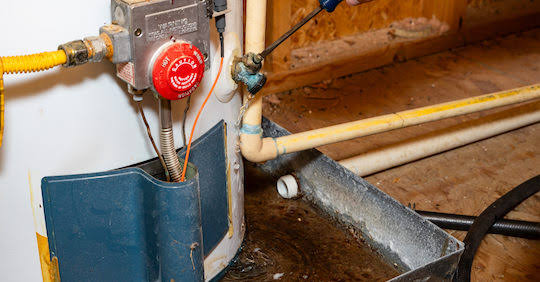
The modern home operates on a silent, steaming dependency: hot water. From the first morning shower to the final load of laundry or the evening cycle of the dishwasher, the water heater is the invisible workhorse of domestic comfort. Because it is usually tucked away in a garage, basement, or utility closet, it is often forgotten until something goes wrong. The sudden onset of strange clanging noises, a pool of water on the floor, or the shock of an icy stream in the middle of a shower can cause immediate panic for any homeowner. Navigating the choice between a quick fix and a total system overhaul requires a careful balance of financial pragmatism and long-term safety.
Bottom Line Up Front
When determining whether to repair or replace your water heater, follow two primary rules of thumb. First, prioritize repair if the unit is under eight to ten years old and the issue involves replaceable external components like thermostats or heating elements. Second, seek immediate replacement if the tank itself is leaking, if you observe rust in your hot water, or if the unit has exceeded its ten to twelve year expected lifespan. Investing in a new system is the more economical and safer choice when the cost of a single repair exceeds half the value of a new unit.
The Three Deciding Factors: Age, Symptoms, and Cost Thresholds
The decision to keep an aging appliance or purchase a new one is rarely about the single failing part: it is about the remaining life of the entire system. Professional plumbers often apply the 50 percent rule of plumbing repair. This guideline states that if a repair estimate exceeds half the cost of a full replacement, and the unit is nearing the end of its expected service life, the homeowner should opt for replacement. Applying this logic prevents the “sunk cost” fallacy, where a homeowner pays for three or four expensive repairs over two years only to have the tank fail shortly after.
The lifespan of your system is the most reliable predictor of future reliability. According to the U.S. Department of Energy Water Heating Efficiency Standards, traditional storage tank water heaters typically last between eight and twelve years. In contrast, modern tankless systems offer a significantly longer horizon, often exceeding twenty years with proper maintenance. If your tank heater is celebrating its tenth anniversary, any significant component failure should be viewed as a signal that the entire unit is approaching retirement.
When a Repair Makes Financial and Practical Sense
Not every cold shower requires a thousand-dollar investment. Many common failures involve specific, modular components that are designed to be replaced. For electric water heaters, faulty heating elements or malfunctioning thermostats are frequent culprits. These parts are relatively inexpensive and can be swapped out by a professional to restore full function.
On gas-powered units, issues with the thermocouple or the pilot light assembly are often to blame for a lack of hot water. If the pilot light refuses to stay lit or the burner fails to ignite, a simple cleaning or a replacement of the thermocouple safety device is usually all that is required. Another critical, repairable component is the Temperature and Pressure Relief (T&P) valve. As mandated by the International Association of Plumbing and Mechanical Officials (IAPMO) Uniform Plumbing Code, this valve is a vital safety feature that prevents the tank from over-pressurizing. If it is dripping or failing, replacing it is a standard and necessary maintenance task.
Finally, homeowners should consider the sacrificial anode rod. This rod is designed to corrode so that the steel tank does not. If you catch a deteriorating anode rod early enough, replacing it can significantly extend the life of your tank by preventing internal oxidation.
Irreversible Warning Signs That Demand Immediate Replacement
There are certain symptoms that indicate the structural integrity of the water heater has been compromised. These issues cannot be “patched” or “fixed” because they involve the physical degradation of the pressurized vessel. The most definitive sign of terminal failure is an active leak from the bottom seam or the main tank casing. While a leak from a top connection or a valve might be repairable, a leak from the base suggests that the internal steel lining has rusted through.
Homeowners should also be wary of rusty or discolored hot water coming from their taps. If the cold water runs clear but the hot water contains a reddish tint, it is a sign that the interior of the tank is corroding. This internal decay is often accompanied by loud popping, banging, or rumbling noises. These sounds are caused by hardened mineral sediment that has settled at the bottom of the tank. As the burner heats the water, bubbles are trapped beneath this layer of scale, causing them to “pop” violently. This sediment layer acts as an insulator, forcing the burner to run longer and hotter, which eventually weakens the metal. Chronic electrical failures and recurring pilot outages in older units also suggest that the system’s internal wiring or gas controls have reached a point of exhaustion.
As Bradley Williford, owner of Rescue Hero Plumbing, a licensed emergency plumbing and septic contractor in Bakersfield, CA, explains, evaluating internal tank health prevents emergency flooding:
“Many homeowners panic the minute hot water turns lukewarm or a minor heating element trips, assuming they immediately need a two-thousand-dollar replacement. In reality, if your tank is under eight years old and the inner steel liner is free of rust, replacing an inexpensive thermostat, thermocouple, or pressure relief valve will often give you another three to five years of reliable service. However, if the tank itself is leaking from the base or rumbling loudly with hardened calcium sediment, continuing to pour money into repairs is dangerous. An internal tank rupture can dump fifty gallons of scalding water across your home in minutes.”
Energy Efficiency and the Tankless Upgrade Decision
When replacement becomes inevitable, homeowners must decide whether to install a standard tank or upgrade to high-efficiency technology. The ENERGY STAR Water Heater Replacement & Savings Guide highlights that modern hybrid heat pump water heaters can be two to three times more efficient than standard electric models. While the upfront cost is higher, the long-term energy savings and potential tax credits often offset the initial investment.
Similarly, tankless units provide “on-demand” heating, which eliminates the standby energy loss associated with keeping fifty gallons of water hot twenty-four hours a day. For households with high hot water demand or those looking to maximize floor space, the twenty-year lifespan of a tankless system makes it a compelling alternative to the traditional twelve-year cycle of tank-based systems.
Frequently Asked Questions
- How often should I drain the sediment from my tank?
It is generally recommended to flush your water heater once a year. This process removes the calcium and mineral buildup that causes the “banging” noises and reduces heating efficiency. - What is the recommended maintenance frequency?
In addition to a yearly flush, you should have a professional check the anode rod every three years. If you live in an area with particularly hard water, you may need to perform these tasks more frequently. - What should I do immediately if I find a leak?
If you see water pooling at the base of your heater, turn off the power supply (at the breaker for electricity or the gas valve for gas). Locate the cold water inlet pipe on top of the unit and turn the shut-off valve to the “off” position to prevent further flooding.
Summary Decision Checklist for Homeowners
Use the following steps to evaluate your water heater’s status:
- Check the age of the unit: Locate the manufacturer date on the serial number sticker. If it is older than ten years, lean toward replacement.
- Identify the source of water: If the leak is from a pipe or a valve, it is likely repairable. If the leak is from the bottom of the tank, replace it immediately.
- Check the water color: Run hot water into a clear glass. If it is rusty, the tank is likely failing.
- Listen to the operation: Loud rumbling or popping sounds indicate heavy sediment buildup that may have already damaged the tank lining.
- Compare the repair quote: If the cost to fix a component is more than 50 percent of the cost of a new unit, investing in a new, energy-efficient model is the smarter financial move.