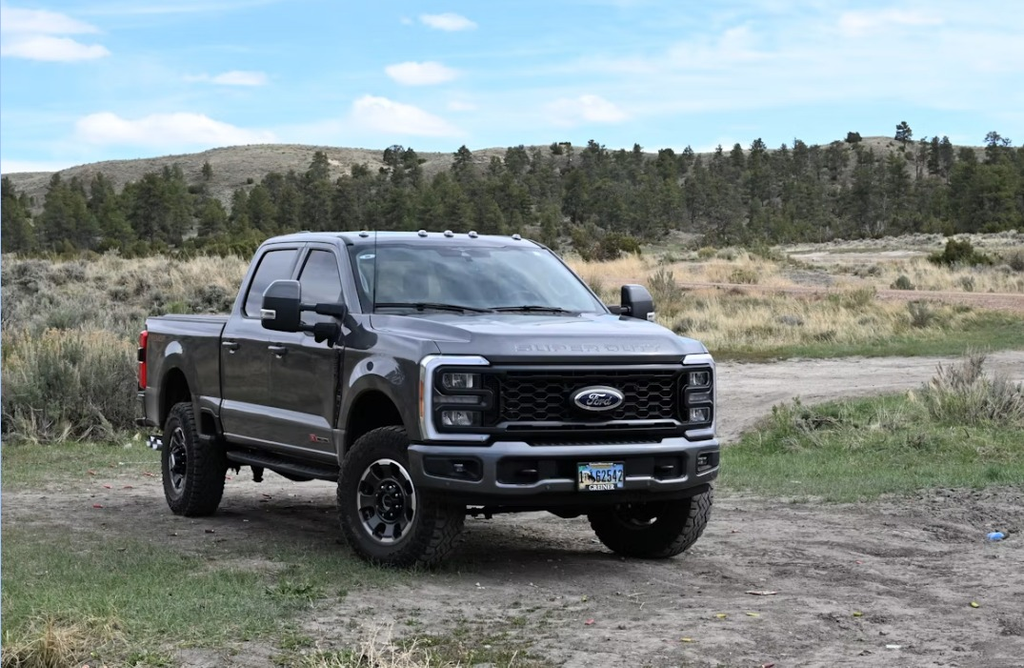
If you’ve spent any time around people who own a genuinely capable truck — not the kind that sees a driveway and a grocery run, but the kind that hauls a boat, a horse trailer, or a six-figure toy across state lines — you’ve probably noticed a quiet trend. More owners are looking past factory specs and asking what it actually takes to keep a heavy-duty diesel performing the way it did on day one, even after years of hard use.
For Ford Super Duty owners running the 6.7L Powerstroke, that conversation almost always leads to the same place: the factory emissions system, and what happens once it starts working against the truck instead of for it.
Why the Factory Setup Starts to Feel Restrictive
The 6.7L Powerstroke is a pretty decent powerhorse on paper. However, the systems surrounding the DPF (diesel particulate filter) and EGR (exhaust gas recirculation) are designed specifically to meet emissions standards, rather than being designed for high loads for a long period. As they drive more miles over time, owners start to get a sense of the same few problems – more regeneration cycles, slow throttle response under heavy load, high exhaust gas temperatures towing, and the occasional warning light on the dash that doesn’t give on time.
None of this means the truck is failing. It usually means the factory hardware is doing exactly what it was designed to do — just not in a way that matches how the truck is actually being used.
The Two Upgrades Owners Ask About Most
Talking to Super Duty owners who’ve gone down this road, two upgrades come up more than any others.
The first is a full 6.7 powerstroke delete kit — a comprehensive package that addresses the DPF, EGR, and related components together rather than piecemeal. For owners planning a single, complete build instead of upgrading component by component over time, this tends to be the more efficient and cost-effective route, since it’s engineered to work as one integrated system rather than a collection of separately sourced parts.
The second is exhaust-specific: a 6.7 powerstroke 5 inch exhaust system, which replaces the restrictive factory downpipe with a larger-diameter, free-flowing design. Owners who go this route tend to be focused specifically on exhaust flow and sound rather than a full system overhaul — often truck owners who’ve already addressed EGR separately and want to finish the build with better airflow from the turbo back.
It’s worth noting upfront: removing or modifying emissions-control equipment on a vehicle intended for public roads carries real regulatory considerations in the United States, and it’s the owner’s responsibility to understand and comply with applicable federal and state requirements before making changes of this kind. Most builders approaching this seriously treat it as a deliberate, informed decision rather than an impulse purchase.
What’s Actually Driving the Trend
A few things are pushing more owners toward this kind of upgrade in 2026. Trucks are staying in service longer as new vehicle prices climb, which means more owners are keeping a 2011-2022 Super Duty on the road well past the point where factory components were designed to perform flawlessly. At the same time, towing demands haven’t gotten lighter — horse trailers, enclosed car haulers, and fifth-wheel campers have, if anything, gotten heavier as manufacturers add amenities.
There’s also a practical cost consideration. DPF cleaning, EGR cooler replacement, and related emissions-system repairs on a high-mileage Powerstroke aren’t cheap, and they tend to recur. Owners who’ve been through that cycle once are often the ones most motivated to look at a different approach going forward.
Sourcing the Right Parts
Not every diesel parts supplier treats the 6.7L Powerstroke the same way. SuncentAuto has built its catalog specifically around Ford Powerstroke, Dodge Cummins, and GMC Duramax platforms, with kits engineered for each engine’s particular quirks rather than a generic one-size-fits-all approach. That platform-specific engineering matters more than it might seem — the same delete concept can require very different hardware depending on the exact engine generation and model year.
Owners planning a build can also check SuncentAuto’s current coupon codes and seasonal deals before ordering, since pricing on kit bundles and exhaust systems tends to shift throughout the year.
The Bottom Line
A heavy-duty diesel truck is, for a lot of owners, one of the more expensive and heavily used pieces of equipment they own — closer to a work tool than a weekend toy, even when it’s also genuinely enjoyable to drive. Addressing the factory emissions system’s limitations, done thoughtfully and in compliance with applicable regulations, is increasingly just part of how serious Super Duty owners keep their trucks running the way they expect a truck at this price point to run.
For most owners, the decision isn’t about chasing extra horsepower for its own sake. It’s about closing the gap between what the truck was capable of on the day it left the factory and what years of heavy use, towing, and mileage have quietly worn away — and doing it with parts engineered specifically for the engine underneath the hood, rather than a generic solution borrowed from a different platform entirely.