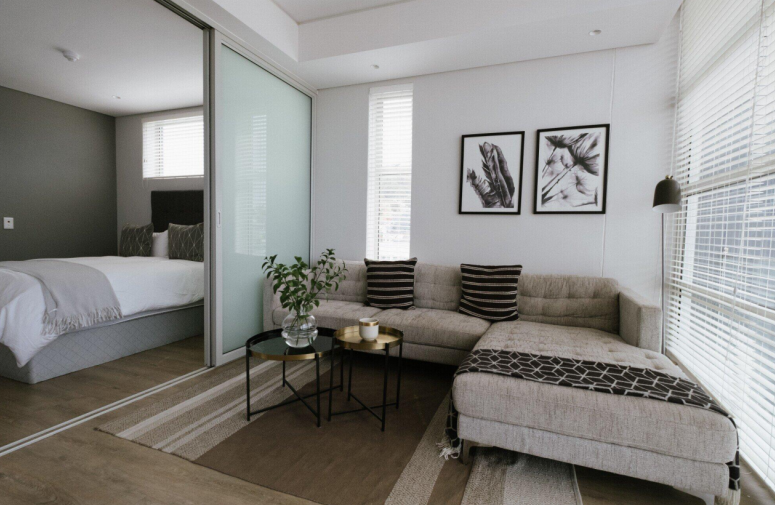
Walking into a finished room feels distinct. Rooms that feel complete balance function, warmth, and personal character without looking overstyled. Anyone can buy furniture, but curating items takes time and focus.
Achieving that cohesive look requires intentional choices about layout, lighting, and texture. Continue reading to discover everything you need to know!
Building Depth With Layered Textures
Flat rooms often suffer from uniform materials and flat lighting. Mixing soft textiles, natural wood grains, and woven accents gives a space dimensional character. Academic insights on spatial design note that interior choices directly link to building a specific atmosphere.
Combining smooth glass tables with chunky knit throws or matte ceramics creates contrast. Small details like layered area rugs or linen drapery soften hard surfaces. Sticking to 2 or 3 primary textures keeps the visual narrative grounded.
Mixing metallic accents with matte finishes creates visual depth across open spaces. Layering contrasting throw pillows on neutral sofas adds warmth without cluttering seating areas.
Maximizing Layouts In Urban Living Spaces
Finding the right flow for a room requires matching furniture scale to total square footage. Those exploring East Hollywood apartments for rent often focus on open floor plans that maximize natural light. Place modular seating so it separates the dining area from the living space without making the room feel closed off.
If you have a small space, choose furniture that does more than one job. Storage ottomans or fold-down desks work well.
Keep pathways clear so you can move around easily. Hang art that fits your wall; oversized pieces can make a small room feel tighter.
Put low media units under mounted screens so nothing blocks your view. Floating shelves add storage without using up floor space.
How Environmental Psychology Shapes Design
The colors and layout of a room affect how you feel more than you might think. Research shows that your surroundings shape your mood and behavior. A fresh coat of paint or a piece of art can make a room feel warmer and more welcoming.
Warm neutral colors help you relax. Cool tones make a room feel crisp and modern. Lighting also changes the mood of a room from morning to night. Table lamps at different heights create a soft, warm glow without harsh shadows.
Integrating Safety And Functional Fit-Outs
A well-kept home needs to feel safe and work well. That’s what makes it comfortable. Government design guides say that where you put things and what fixtures you choose affect safety and security.
Sturdy hardware and clear entryways make daily life easier. Secure heavy shelves so they don’t tip over.
Smart storage keeps things handy without cluttering the room. Non-slip rug pads protect floors and keep rugs from sliding.
Core Elements That Complete Any Interior
Bringing a room together comes down to small details. They connect style and function. Pay attention to the little things.
They create a balanced feel. Focus on these 4 key elements to pull your layout together:
- Statement lighting fixtures
- Personalized artwork
- Live greenery or natural displays
- Coordinated hardware finishes
Using the same metal colors throughout your home makes everything feel connected. Display personal items and books that mean something to you, and that gives your space its own character. Use space and a main focus so decorations don’t take over.
Crafting a Space That Truly Feels Like Home
Make your room feel like yours. It doesn’t happen all at once. Gather meaningful art, balance the room’s proportions, and pick durable materials.