Most people walk into surgery trusting that every detail has been checked and double checked. When a hip, knee, pacemaker or breast implant is involved, that trust includes the assumption that the device in the operating room is the right one. Sometimes it isn’t.
An implant can be the wrong size, be placed on the wrong side of the body, be the wrong model or a device that was recalled long before the surgery took place. Whatever the cause, the result can be pain, more surgery and a lot of worry about what comes next.
How a Wrong Implant Ends Up in a Patient
These mistakes usually don’t come from one dramatic error. They tend to build from a series of small ones. A surgeon might order the wrong size from a catalog, or a hospital might mix up a left and right component. Implant packaging can look nearly identical from one model to another, and in a busy operating room a nurse or technician might hand over the wrong box without anyone catching it. Poor communication between the surgeon, the staff and the supplier is a common thread.
Other cases involve devices that never should have been used. Some implants have been recalled because of design flaws, but they remain on a hospital shelf or in a surgeon’s inventory. Others are used in a way the manufacturer never approved, or they’re paired with parts from a different company that don’t work well together. In some situations, a patient receives an implant that doesn’t match the plan discussed before surgery, and no one explains why.
Hospitals are supposed to have safeguards in place. These include checking the implant against the surgical plan, confirming it out loud before it’s opened and recording the device’s serial number in the patient’s chart. When those steps are skipped or rushed, mistakes can slip through.
What Patients May Experience
The symptoms depend on the type of implant and how it differs from what was intended. A joint replacement that’s the wrong size can cause pain, swelling, a limp or a leg that feels shorter than the other. It can also loosen over time or wear out faster than it should, and that wear can release tiny metal or plastic particles into the surrounding tissue.
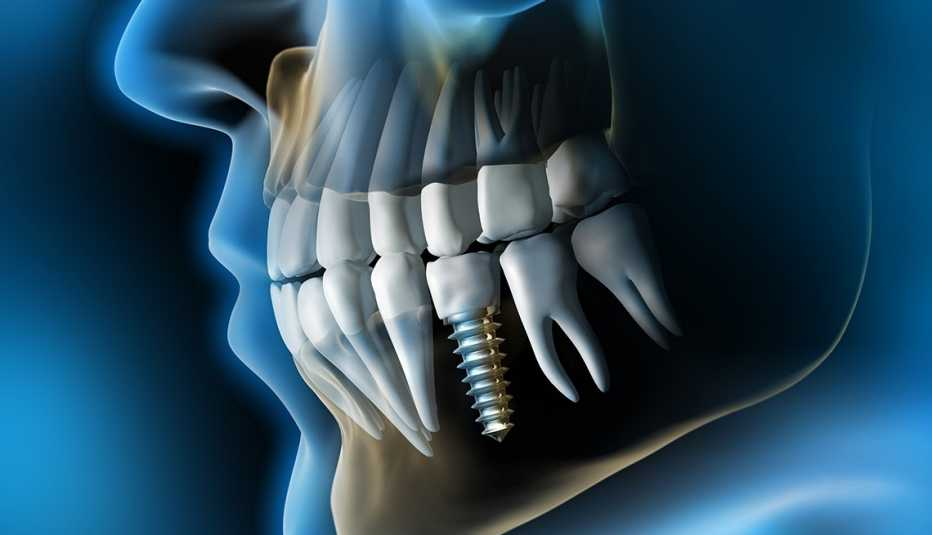
A pacemaker or defibrillator that’s the wrong model may not deliver the right kind of electrical support, which can lead to dizziness, fainting or a dangerous heart rhythm. Breast implants, spinal hardware and dental implants carry their own risks, including infection, shifting, rupture and nerve damage.
Some problems show up quickly, but others take months or years to appear. A patient might assume the discomfort is just part of recovery and wait a long time before asking questions. That delay can make the damage worse, which is why it’s important to speak up when something doesn’t feel right after surgery.
Beyond the physical side, there’s the emotional toll. Many patients feel betrayed, anxious or angry once they learn a preventable error was involved. Others worry about having another operation, particularly if they’re older or have other health conditions that make surgery riskier.
What Happens Next: Medical Care and Revision Surgery
If you think you received the wrong implant, your first step is to see a doctor who can evaluate the device. Imaging such as X-rays, CT scans or MRIs can show whether the implant is positioned correctly and whether it matches what was recorded in your chart.
It’s often a good idea to get a second opinion from a surgeon who wasn’t involved in your original operation, since that person can look at your situation with fresh eyes.
In many cases, the fix is a revision surgery, which means removing the incorrect implant and placing the correct one. Revision procedures are often more complicated than the first surgery. Scar tissue may have formed, bone may have been lost and the body usually has less strength to bounce back the second time around.
Recovery can take longer, and the outcome isn’t always as good as it would have been if the right device had been used from the beginning. Not every wrong implant needs to be replaced right away. Sometimes doctors decide to monitor the device if the risks of another surgery outweigh the benefits. That decision should be based on your health and your symptoms, and you have the right to understand the reasoning behind it.
Your Rights and Legal Options After an Implant Error
Once your health is being looked after, it helps to start gathering information. Ask for your complete medical records, including the surgical notes, the implant log and the serial number or lot number of the device. Write down what you were told before and after the operation, along with the dates of any symptoms. Keep every bill, receipt and appointment record, because they show how the error has affected you financially.
A wrong implant doesn’t always mean someone was careless, but it can. If a hospital or surgeon failed to follow the standard of care, such as skipping a verification step or using a recalled device, the mistake may qualify as medical malpractice. Some cases also involve a defective product, and in those situations the manufacturer or distributor might share responsibility. Sorting out who was at fault often takes careful review of records and input from medical experts.
Many patients choose to speak with a skilled medical malpractice lawyer like those at Shrager, Sachs, & Blanco to learn whether their situation may support a claim. A medical malpractice lawyer can look through your records, work with outside medical professionals and explain how the law in your state applies to what happened to you.
Compensation in these cases may cover corrective surgery, ongoing medical care, lost income, pain and suffering and other losses tied to the error.
Time limits are worth taking seriously. Every state has a statute of limitations for medical claims, and some states start the clock when the mistake is discovered rather than when the surgery took place. Others have strict cutoffs no matter when you found out, so waiting can put your options at risk.
Receiving the wrong implant can shake your confidence in the people who were supposed to protect you. Paying attention to your symptoms, keeping thorough records and asking direct questions can help you take back some control while you decide on your next steps.