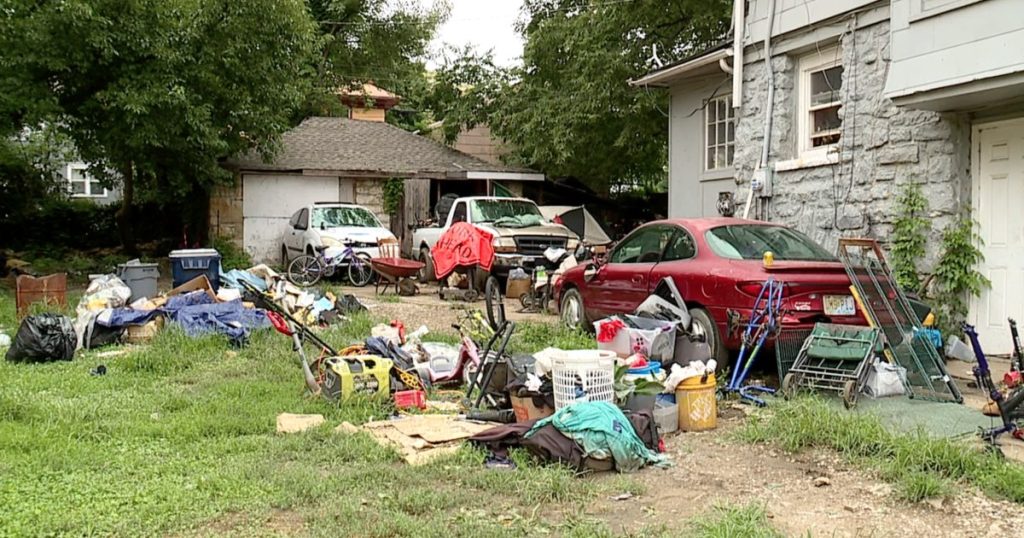
First thing, don’t do anything rash, since changing the locks or dragging their stuff out to the curb (or cutting the utilities) can land you in more hot water than the squatter. Getting somebody out of a house you own in Missouri generally has to go through the courts, and although lawmakers passed a law in 2024 that was supposed to speed up squatter removals, a court ruling has since thrown parts of it into question, so your first call really ought to be to a Kansas City attorney who knows what process applies today. The other thing worth knowing up front is that a squatter who’s been there a few months isn’t about to become the owner, since adverse possession in Missouri takes ten years of open, continuous occupation.
How Vacant Houses End Up With Squatters
It almost always starts with a house that nobody’s checking on very often. Maybe it’s an inherited place that’s been sitting since the funeral while the family argues about what to do with it, or a rental between tenants, or the house a parent moved out of when they went into assisted living.
Picture a brick bungalow in the Northeast that belonged to somebody’s late uncle. The nephew who inherited it lives in Lee’s Summit and drives up once a month to mow, and one Saturday he notices a different padlock on the back gate and a light on in the kitchen. A neighbor mentions there’s been a car in the driveway for a couple of weeks, and when he knocks, a man answers the door and says he’s renting the place from “the owner” and has a lease to prove it.
Squatter or Tenant? Why It Matters
That lease, even if it’s obviously fake, is often why the police may treat the whole thing as a civil matter instead of hauling anybody away on the spot. Once someone claims they have a right to be there, sorting out who’s telling the truth usually becomes a question for a judge, and the old self-help moves (new locks, utilities off, belongings on the lawn) can expose the owner to claims of their own.
Where Adverse Possession Fits In
You’ll hear “squatters’ rights” thrown around a lot, and most of it is really about adverse possession. Missouri sets the bar high on that, ten years of living there openly and continuously without the owner’s okay, plus some other conditions, so the fellow who moved into your uncle’s place last month isn’t even in the neighborhood of owning it. That doesn’t mean you can sit on it, though, since every week he stays makes the cleanup a bit harder.
Getting Them Out the Right Way
Your lawyer will usually file in Jackson County, or whatever county the house is in, and the right approach depends on things like whether the person ever had any sort of agreement with anybody. As for the 2024 law that was supposed to make squatter removals faster, it’s been caught up in a court fight, so don’t plan around it unless your attorney tells you it’s usable. While that’s getting sorted, pull together anything that shows the house is yours and nobody was given permission to be there, whether that’s the deed, the tax bills, the utility statements or a few dated photos.
Making Sure It Doesn’t Happen Twice
Make the house look lived in
Timers on a couple of lamps, a mowed yard, mail that doesn’t pile up and a neighbor who has your number go a long way.
Check on it in person
Regular visits catch problems early, and so does a cheap camera on the porch if the house has power and internet.
Call your insurance agent
Once a house has been empty for a while, an ordinary homeowners policy might not cover as much as you think, so it’s worth asking whether you ought to switch to a vacant-property policy.
Why a Lot of Owners Just Sell After This
A lot of owners decide the whole episode is the final push they needed to sell. Listing a house with a squatter inside is close to impossible, since you can’t show it and most buyers won’t touch it, but a cash buyer who deals with messy situations may be willing to talk once you’ve got a lawyer handling the removal.
If You Inherited the House
Plenty of the vacant houses that pick up squatters are inherited, and that adds a wrinkle. Before you can file anything in court or sell the place, you may need to show you have the legal right to act for the house, which can mean opening a probate case or getting the title sorted out first. Say your uncle’s house is still in his name; a lawyer may need to get you appointed, or otherwise confirm who the heirs are, before the removal can move forward. That’s one more reason to call an attorney early, since they can work the squatter problem and the title problem at the same time rather than one after the other.
Why Kansas City Owners Reach Out to KC Property Connection
KC Property Connection is a local company run by Nick and Jake that has been buying houses around Kansas City since 2009. Its homepage says it buys houses in any condition, covers all the closing costs and title fees, and regularly handles situations like probate files, liens and tangled titles, and it also says you can sell a rental occupied.
If you’ve been reading up on squatters’ rights in Missouri because of a house you’re ready to be done with, it’s worth a call to ask whether they’ll buy with the removal still in progress, since squatters are a different situation from paying tenants and every case is a little different.
How the Sale Works
Call (816) 600-4417 or fill out the website form and lay out what’s going on with the house, squatter and all. They’ll set up a walkthrough once it’s safe and practical, and the company says a fair cash offer comes within 24 hours after that, with no obligation; take it, and you pick the closing date and sign at a local title company.
Selling a Vacant House Anywhere Around Kansas City
KC Property Connection buys in Kansas City and across the metro, including Independence, Grandview, Lee’s Summit and Blue Springs, up through Gladstone and Liberty in the Northland, and over in Overland Park and Olathe.
Questions Owners Ask About Squatters
Can I just change the locks while they’re out?
Don’t, at least not before talking to an attorney, because self-help removal can expose you to legal claims.
Can a squatter actually take ownership of my house?
Only through adverse possession, which in Missouri takes ten years of open, continuous occupation plus other requirements.
Why won’t the police just remove them?
If the person claims a lease or some other right to be there, officers often treat it as a civil dispute for a court to settle.
Wasn’t there a new Missouri squatter law?
There was one passed in 2024, but a court ruling has since put parts of it in doubt, so have a lawyer tell you what’s in effect now.
What’s the best way to keep squatters out of a vacant house?
Keep it looking lived in, stop by often, and while you’re at it ask your insurance agent about vacancy coverage.
Could I sell before the squatter’s out?
Possibly, to a cash buyer who’s used to complicated situations, so explain the whole thing up front and ask.
Will my insurance cover damage a squatter causes?
It depends on your policy and how long the house has been empty, so call your agent and read the vacancy clause.
How do I show I never gave anyone permission to be there?
Keep whatever shows the house was supposed to be empty, like utility records, dated photos and notes from neighbors, and hand it all to your attorney.
Should I ask the neighbors to keep an eye out?
It’s a good idea, because a neighbor who has your number will often notice a strange car or a light left on long before you would.
Ready to Sell? Let’s Talk.
If a vacant Kansas City house has turned into a headache and you’re ready to move on, call KC Property Connection at (816) 600-4417 for a free, no-obligation cash offer.
Find KC Property Connection on Google Maps
Get directions to KC Property Connection on Google Maps
Embed code for publishing (paste into the CMS’s HTML/custom-code block):
<iframe src=”https://www.google.com/maps?q=KC+Property+Connection,+9324+Somerset+Dr,+Overland+Park,+KS+66207&output=embed” width=”600″ height=”450″ style=”border:0;” allowfullscreen=”” loading=”lazy” referrerpolicy=”no-referrer-when-downgrade”></iframe>