Owning a rental property can be a reliable way to build long-term wealth, but maintaining its value requires consistent attention. While landlords often focus on mortgage payments, rental income, and major renovations, smaller maintenance decisions can have a significant impact on overall profitability.
One frequently overlooked aspect of rental property maintenance is professional carpet cleaning.
Carpets experience substantial wear during a tenancy, particularly in high-traffic areas such as hallways, living rooms, and bedrooms. Without appropriate care, accumulated dirt, stains, and moisture can shorten their lifespan, compromise the appearance of a property, and potentially contribute to expensive replacement costs.
For landlords and property investors, professional carpet cleaning is more than a cosmetic improvement. It can be an important part of protecting the condition, presentation, and long-term appeal of a rental investment.
Why Carpet Condition Matters in Rental Properties
Flooring is one of the largest visible surfaces in any home. Its condition plays an important role in how prospective tenants perceive a property.
A clean, well-maintained carpet can make rooms feel brighter, fresher, and more inviting. Conversely, stained or visibly worn flooring can detract from an otherwise attractive interior.
This becomes particularly important during rental inspections and property viewings, when potential occupants are assessing the overall condition of the home.
Prospective tenants may interpret poorly maintained flooring as an indication that other aspects of the property have received insufficient attention.
For landlords operating in competitive rental markets, maintaining appealing interiors is an important part of attracting suitable tenants.
Carpet maintenance can also help avoid unnecessary expenditure. Replacing flooring throughout a property can be expensive, particularly in larger homes or premium rental accommodation.
Professional cleaning may allow landlords to extend the usable lifespan of carpets that remain structurally sound, reducing the frequency of replacement.
Professional Carpet Cleaning Versus Routine Vacuuming
Regular vacuuming is important, but it does not address every issue that develops within carpet fibres.
Over time, fine particles, oils, and other contaminants can become embedded beneath the surface. Ordinary household vacuum cleaners may struggle to remove this accumulated material completely.
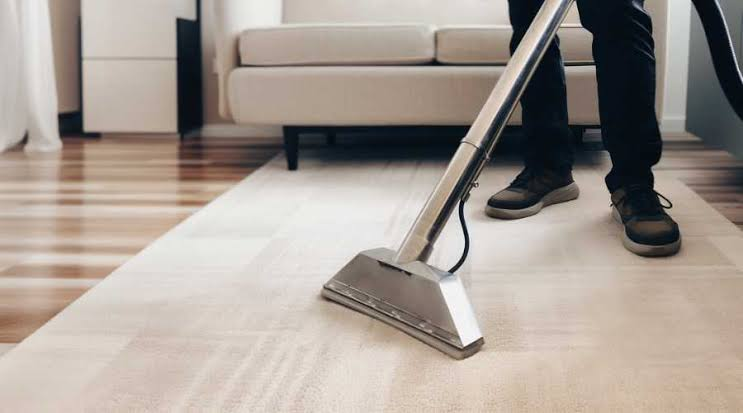
Professional carpet cleaning uses specialised equipment and methods intended to address more deeply embedded soil and certain types of staining.
For example, property owners in Western Australia can consider professional providers such as Magic Dry, which specialises in carpet cleaning services in the Perth area.
Low-moisture carpet cleaning methods can be particularly useful for rental properties where shorter drying periods are desirable, although actual drying times depend on the cleaning process, carpet material, and environmental conditions.
The appropriate cleaning method should always be selected according to the carpet’s construction, manufacturer recommendations, and condition.
Professional treatment is not a guarantee that every stain or odour can be eliminated. However, where carpeting is otherwise serviceable, it can be a cost-effective alternative to premature replacement.
The Financial Benefits of Maintaining Existing Carpets
Rental property ownership involves balancing ongoing expenditure with the need to preserve an attractive and functional home.
Carpet replacement can represent a substantial expense, especially when factoring in the removal of existing flooring, purchasing new materials, and paying installation costs.
There may also be additional costs associated with moving furniture or delaying the property’s readiness for occupancy.
Preventative maintenance offers an opportunity to manage some of these expenses.
By scheduling appropriate cleaning and addressing stains before they become more difficult to treat, landlords may be able to preserve carpeting for longer.
This is particularly relevant for investment properties with several carpeted rooms.
The financial value of professional cleaning depends on the condition and quality of the carpet, the cost of the service, and the remaining expected lifespan of the flooring.
A sensible maintenance strategy involves evaluating these factors rather than automatically replacing carpets whenever a tenancy ends.
Why Carpet Cleaning Should Be Part of Every Tenant Turnover
The period between tenancies presents an ideal opportunity to assess and refresh a property’s interior.
Once the previous occupants have vacated, landlords and property managers can inspect carpets without furniture obstructing their view.
This makes it easier to identify staining, flattened fibres, odours, and other issues requiring attention.
A structured turnover process may involve inspecting flooring, arranging any necessary repairs, and scheduling professional carpet cleaning before marketing photographs or viewings.
Cleaning should generally take place after dusty renovation work, painting, or other activities likely to introduce debris into the property.
Planning these tasks in a logical sequence helps avoid duplicated work and unnecessary delays.
For landlords managing multiple properties, developing a standardised turnover checklist can also improve consistency and make maintenance expenditure easier to monitor.
Not every carpet requires an intensive professional treatment after every tenancy. The frequency should reflect its actual condition, manufacturer guidance, and the requirements of the relevant rental market.
Combine Carpet Cleaning With a Thorough Property Clear-Out
Professional carpet cleaning is most effective when incorporated into a broader property preparation process.
Before specialist cleaning begins, landlords may need to remove unwanted furniture, damaged fixtures, accumulated belongings, or debris from previous renovation work.
Larger property clear-outs can create significant amounts of waste, particularly when preparing a home that has experienced a lengthy tenancy or requires substantial refurbishment.
For property owners undertaking these projects in the United States, waste management companies such as Trash Daddy Dumpsters provide dumpster rental services that can help streamline residential clear-outs and renovation-related waste disposal.
Arranging appropriate waste removal before carpet cleaning allows contractors to access the relevant rooms and work more efficiently.
It also helps prevent newly cleaned surfaces from becoming dirty again during furniture removal or other maintenance activities.
Landlords should verify which materials can legally be disposed of, obtain any necessary permissions, and follow the applicable rules for dealing with belongings left behind by former tenants.
Coordinating the clear-out, repairs, and cleaning helps create a more organised transition between occupants.
Maintaining Carpets During an Active Tenancy
While cleaning between tenants is important, landlords should not overlook routine care during longer rental periods.
The longer a tenancy continues, the greater the potential for accumulated dirt and everyday wear.
A well-written tenancy agreement can clarify the parties’ responsibilities for reasonable cleanliness and property care, subject to applicable tenancy laws.
Landlords may also provide occupants with basic carpet maintenance guidance, including recommendations for addressing spills promptly and using appropriate cleaning products.
Prompt attention to leaks is particularly important. Moisture trapped beneath carpeting can damage underlay, affect flooring materials, and create conditions that encourage mould growth.
These issues require investigation and appropriate remediation rather than relying on surface cleaning alone.
Periodic property inspections, where permitted and conducted with proper notice, can help identify maintenance concerns before they become more serious.
Maintaining open communication with tenants also makes it easier to address problems promptly.
When Should a Landlord Replace Carpets Instead?
Professional cleaning can improve the appearance of many carpets, but it cannot reverse every form of deterioration.
There comes a point when replacement becomes the more appropriate investment.
Common indicators include extensive fibre wear, exposed backing, significant damage, persistent contamination, or staining that cannot be addressed satisfactorily.
Carpets affected by serious water damage may also require replacement, depending on the extent of contamination and the condition of the underlying materials.
Landlords should consider the age of the existing carpet, the standard expected in the property, and the potential cost of continued maintenance.
For higher-end rental accommodation, flooring quality can form an important part of the overall interior presentation.
Replacing heavily deteriorated carpeting may therefore be justified even where limited cleaning improvements remain possible.
When selecting new flooring, durability, ease of maintenance, and suitability for the property’s intended occupants should take priority over appearance alone.
How Clean Carpets Support Rental Property Marketing
Presentation is an important consideration when advertising residential property.
Professional photographs, detailed listings, and well-organised viewings all work best when the home is presented in good condition.
Clean carpets help create a more consistent visual appearance throughout the interior and can contribute to a positive impression during inspections.
This is particularly relevant for furnished homes and premium rental properties, where prospective occupants may expect greater attention to detail.
While professional cleaning alone will not necessarily increase rental income, it supports the overall quality of the property’s presentation.
It may also help remove avoidable objections from prospective tenants who would otherwise be concerned about stained or dirty flooring.
Landlords should remember that rental performance ultimately depends on several factors, including location, pricing, local demand, property condition, and the quality of management.
Carpet cleaning should be viewed as one component of a wider property marketing and maintenance strategy.
Building a Long-Term Rental Property Maintenance Plan
Effective property investment requires more than responding to problems when they arise.
Landlords can benefit from maintaining a planned schedule that covers flooring, plumbing, heating and cooling systems, exterior maintenance, and general interior upkeep.
Keeping records of professional cleaning, inspections, repairs, and replacement costs makes it easier to assess the long-term performance of individual properties.
These records can also help identify recurring maintenance issues and support more accurate budgeting.
For investors managing several rental homes, consistent processes can reduce administrative work and create predictable standards across the portfolio.
Professional carpet cleaning should be scheduled according to need rather than treated as an isolated service.
Combining it with planned inspections, property clear-outs, and preventative maintenance can help landlords maintain a more attractive and functional rental property over time.
Final Thoughts
Protecting a rental property investment involves managing both major expenses and everyday maintenance decisions.
Carpets are exposed to regular wear, yet their condition can significantly influence how a property looks and feels.
Professional carpet cleaning offers landlords a practical way to refresh interiors, address accumulated dirt, and potentially extend the usable life of existing flooring.
When combined with efficient waste removal, preventative repairs, and a structured approach to tenant turnover, it becomes part of a broader strategy for protecting the property’s condition.
For landlords seeking to preserve their assets and maintain appealing rental accommodation, professional carpet cleaning is a relatively straightforward maintenance measure that deserves consideration alongside larger property improvements.