A luxury home makes its first impression through design, but comfort is what makes it livable. Older and high-end properties often hide a quiet problem behind the finishes. Air leaks and thin insulation raise bills and create cold rooms that no thermostat can fix.
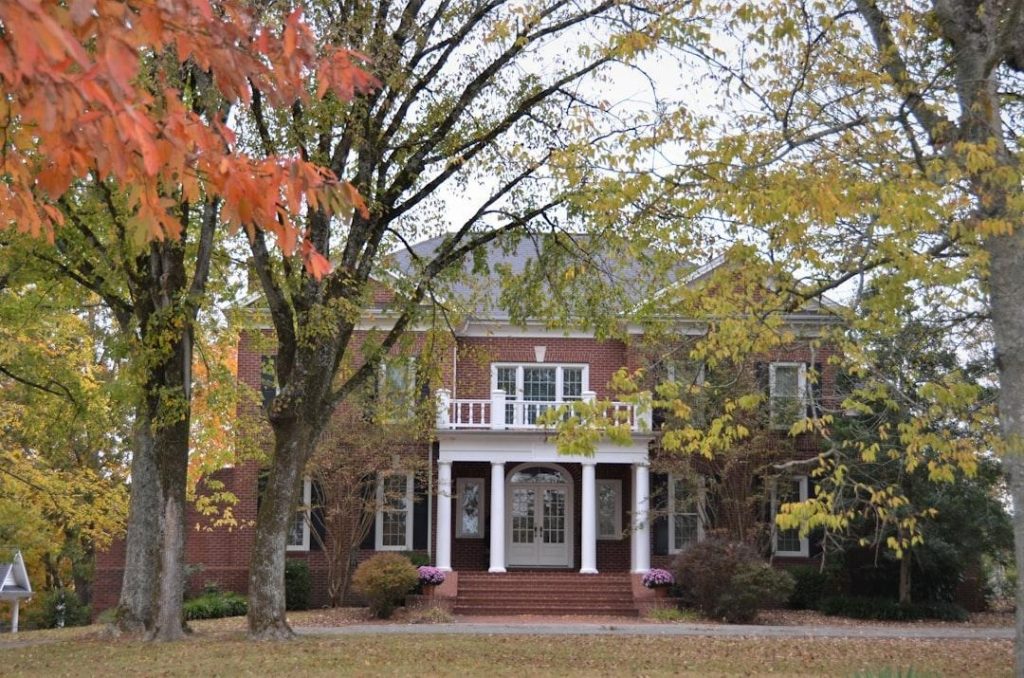
Photo by Roger Starnes Sr on Unsplash
Alt text: Older two-story brick home exterior surrounded by mature trees in daylight
Buyers and appraisers now read energy performance as part of value. A home energy audit shows where a property loses heat, and firms like York Home Performance help owners in Pennsylvania and Maryland close those gaps. The result is a warmer, quieter, and more marketable home.
Why Does Home Energy Efficiency Affect Property Value?
Efficiency now shapes what buyers pay. A tight, well-insulated home signals lower running costs and careful upkeep.
Agents increasingly note energy features in listings. A property with a recent audit and a sealed envelope reads as cared for. That perception supports both the price and the time on market.
Comfort is the daily payoff. Rooms hold their temperature, drafts fade, and the heating system runs less often. For a design-led home, that quiet consistency matters as much as the finish.
The savings are real over a long ownership. Lower monthly bills add up across the years you hold the property. Those numbers also give a buyer one less reason to negotiate down.
What Does a Home Energy Audit Actually Find?
An audit maps where a home wastes energy. An auditor uses simple tools to locate leaks, missing insulation, and equipment that works too hard.
A home energy audit is a room-by-room inspection of how a house uses and loses energy. Here is what the process usually turns up:
- Air leaks around windows, doors, and framing, found with a blower door test.
- Missing or compressed insulation in attics, walls, and crawl spaces.
- Duct leaks that push heated air into unconditioned space.
- Older heating and cooling equipment running past its efficient life.
- Hidden moisture and cold spots mapped with an infrared thermal camera.
- Small fixes ranked by cost and payback, so you plan in order.
The report gives you a clear list, not a vague worry. You then decide which repairs come first based on budget and impact.
How Do Older and High-End Homes Lose the Most Energy?
Older homes leak through gaps that predate modern codes. Large custom homes add more surface area and more places to lose heat.

Photo by Miss Zhang on Unsplash
Alt text: Technician holding an infrared thermal imaging camera while inspecting a home interior
Homes built before the 1980s often have little wall insulation. Warm air escapes upward, so good attic insulation is one of the first fixes an audit recommends. It slows heat loss and steadies indoor temperatures.
Deep retrofits show how much is at stake. Research from ACEEE found that a full package of insulation and air sealing can cut a home’s energy use by 58 to 79 percent.
High-end homes face their own math. High ceilings, wide glazing, and complex rooflines all add surface where heat escapes. More square footage usually means the losses grow with the design.
Which Upgrades Give the Best Comfort and Value?
The best upgrades seal the envelope first, then improve the equipment. Sealing and insulation usually return the most comfort per dollar.
- Air sealing gaps and penetrations to stop drafts at the source.
- Adding insulation in the attic, rim joists, and accessible walls.
- Sealing and insulating ducts that run through cold spaces.
- Upgrading to a modern, right-sized heating and cooling system.
- Adding balanced ventilation, so a tighter home still breathes.
Many projects start at the top of the house, since air sealing and insulation work best together. Sealing first means the new insulation performs the way it should.
Cutting home energy use also lowers emissions. The EPA links household electricity demand to the wider environmental cost of power generation. Comfort and responsibility can point the same way.
When Should You Schedule an Energy Audit?
The best time is before a renovation, a sale, or the heating season. An audit gives you a plan before you spend on finishes.
Book an audit before a major remodel. It is far cheaper to seal and insulate while the walls are open. You avoid tearing into fresh drywall a year later.
Sellers benefit too. A recent report and a list of completed fixes answer buyer questions early. That evidence also supports the asking price.
Fall is a practical window in Pennsylvania and Maryland. You find drafts before the first cold snap. Then the repairs are done before the heaviest bills arrive.
What Owners Should Keep In Mind
- Energy performance now shapes both daily comfort and resale value.
- An audit maps leaks, insulation gaps, and tired equipment fast.
- Older and large homes lose the most through the building envelope.
- Air sealing and insulation return the most comfort per dollar.
- Schedule an audit before a remodel, a sale, or winter.
Comfort You Can Measure
An energy audit turns a vague draft into a clear plan. Sealing and insulation make an older or high-end home warmer, quieter, and easier to sell. Start with the audit, then fix the biggest leaks first.
Frequently Asked Questions
How long does a home energy audit take?
Most audits take about 2 to 4 hours, depending on the size of the home. The auditor inspects each room and runs a blower door test. You then receive a written report with ranked fixes.
Is an energy audit worth it for a newer home?
Often yes, since even newer homes have duct leaks and thin spots. The audit confirms what already works and what does not. You then spend only where it counts.
Will insulation and air sealing raise my home’s value?
They tend to help, since buyers value lower bills and steady comfort. A documented audit and completed work support the asking price. The upgrades also reduce drafts that buyers notice on a tour.
What is a blower door test?
It is a fan mounted in a doorway that measures how much air leaks from a home. The auditor uses the reading to find hidden gaps. The result shows where sealing will help most.