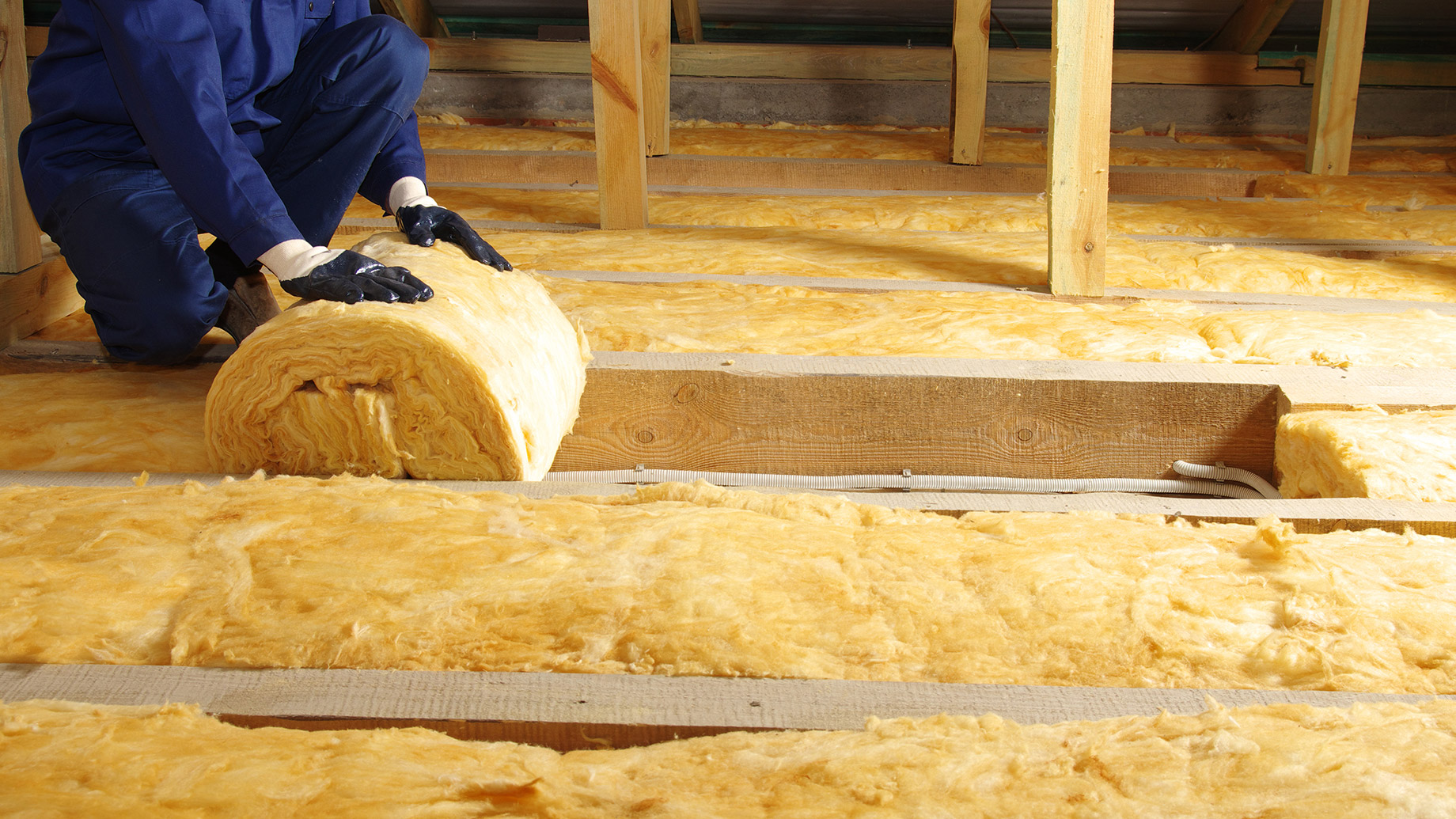
Homeowners often focus on replacing windows, upgrading heating systems, or installing smart thermostats when looking for ways to improve their home’s efficiency. While those improvements can provide value, one area is frequently overlooked despite having a significant impact on comfort and energy use: attic insulation.
Ontario experiences a wide range of weather conditions throughout the year, from freezing winters to hot, humid summers. Because the attic sits between your living space and the outdoors, proper insulation plays an important role in maintaining a comfortable indoor environment while helping your home perform more efficiently.
Why Attic Insulation Has Such a Big Impact on Home Performance
Warm air naturally rises. During Ontario winters, heat produced by your furnace can escape through an under-insulated attic. In the summer, excessive heat from the roof can move into the home, making cooling systems work harder.
Proper insulation slows this transfer of heat, helping maintain a more consistent indoor temperature throughout the year. As part of an overall strategy for home energy efficiency, a well-insulated attic reduces unnecessary heat loss and helps your heating and cooling equipment operate more effectively.
Beyond energy savings, insulation also contributes to better building performance by reducing stress on HVAC systems and creating a more stable indoor climate.
How Proper Insulation Helps Lower Heating and Cooling Costs
One of the most noticeable benefits of an attic insulation upgrade is reduced energy consumption. When less heated or cooled air escapes through the attic, your HVAC system doesn’t need to run as frequently to maintain comfortable temperatures.
Over time, this can lead to lower monthly utility bills while extending the lifespan of heating and cooling equipment. Among many energy-saving home improvements, improving attic insulation often delivers one of the strongest long-term returns because it addresses one of the home’s largest sources of heat loss.
Even homes that already have insulation may benefit if existing materials have settled, become damaged, or no longer meet current insulation recommendations.
Improving Year-Round Comfort Throughout the Home
Comfort involves more than simply adjusting the thermostat. Homes with inadequate insulation often experience cold upstairs bedrooms during winter or overly warm rooms during summer.
Proper insulation helps create more even temperatures throughout the home by reducing unwanted heat transfer. Occupants are less likely to notice uncomfortable drafts or significant temperature differences between floors.
These improvements are especially valuable in Ontario, where seasonal weather changes place constant demands on residential heating and cooling systems.
Helping Prevent Ice Dams During Ontario Winters
Ice dams are a common concern during Ontario winters. They develop when heat escaping through the attic warms the roof, causing snow to melt. As the water reaches colder roof edges, it refreezes and forms thick ridges of ice.
Over time, trapped water can back up beneath roofing materials and contribute to leaks or moisture damage inside the home.
Proper insulation helps keep attic temperatures more consistent, reducing unnecessary heat transfer to the roof. Combined with good attic ventilation, it forms an important part of effective ice dam prevention and helps protect roofing materials throughout the winter season.
Reducing Moisture and Condensation Problems in the Attic
Heat loss is not the only concern. Moisture and condensation can also affect attic spaces, particularly during cold weather.
When warm indoor air reaches a cold attic, condensation may form on wood framing, roof sheathing, and other building materials. Excess moisture can contribute to mould growth, wood deterioration, and reduced insulation performance.
Proper insulation, together with adequate attic ventilation, helps support moisture control by limiting the movement of warm, humid indoor air into the attic. Maintaining a dry attic helps preserve both the insulation and the home’s overall structure.
Why Professional Installation Matters for Long-Term Performance
The effectiveness of insulation depends not only on the material itself but also on how it is installed. Gaps, compressed insulation, uneven coverage, or missed areas can significantly reduce overall performance.
Professional installers understand how insulation works alongside attic ventilation, air sealing, and Ontario building requirements. They can identify existing problem areas and recommend solutions that improve long-term efficiency rather than simply adding more material.
A properly installed system is more likely to provide consistent performance for many years while supporting broader home insulation improvements.
When Homeowners Should Consider an Attic Insulation Upgrade
Several signs may indicate that your home could benefit from improved insulation. These include uneven indoor temperatures, rising energy bills, cold ceilings during winter, or excessive heat on the upper floor during summer.
Older homes may also have insulation levels that no longer meet modern recommendations. In these situations, a professional assessment can help determine whether additional insulation would improve overall performance.
For homeowners in the Hamilton area, regional contractors such as Reitzel Insulation can provide an attic assessment. Resources about professional attic insulation in Hamilton can also help homeowners better understand what is involved in evaluating insulation levels and identifying opportunities for improvement before investing in larger energy-efficiency upgrades.
Proper attic insulation is one of the most practical investments Ontario homeowners can make. By reducing heat loss, improving indoor comfort, helping prevent ice dams, and supporting better moisture control, it contributes to a healthier, more efficient home throughout every season.
Before planning major upgrades such as replacing windows or installing a new HVAC system, it is worth having your attic professionally assessed. Addressing insulation first may improve the effectiveness of future home improvements while delivering lasting benefits for comfort, energy efficiency, and overall home performance.
