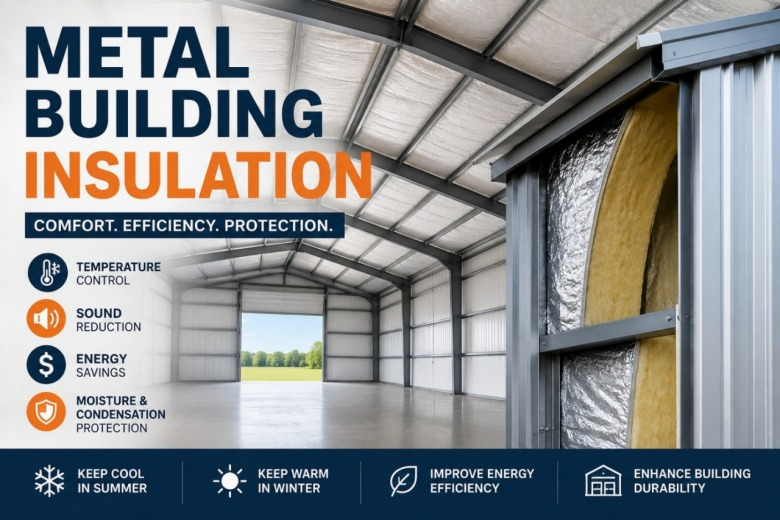
Commercial buildings rely on insulation for far more than temperature control. Proper insulation helps reduce energy consumption, protects structural components from moisture, minimizes equipment strain, and creates a quieter, more comfortable environment. When insulation is installed incorrectly or the wrong products are selected, the consequences often remain hidden until utility costs rise, moisture problems appear, or building systems begin to fail.
Experienced contractors repeatedly encounter the same avoidable mistakes across offices, warehouses, manufacturing facilities, healthcare buildings, and retail spaces. While each project has unique requirements, the underlying issues are remarkably consistent. Understanding these mistakes before construction or renovation begins can help facility managers avoid expensive repairs, operational disruptions, and long-term performance problems.
What are the common insulation mistakes that are often made and have to be avoided at all times?
The most common insulation mistakes include failing to understand a building’s specific insulation needs, leaving air gaps during installation, failing to insulate pipes, installing vapor barriers incorrectly, and bypassing experienced professionals. Avoiding these errors improves energy efficiency, protects the building envelope, reduces moisture problems, and extends the life of critical building systems.
The Foundation of Success: Leveraging CMI Insulation
Every successful commercial insulation project starts with selecting materials that match the building’s purpose, climate, occupancy, and performance requirements. CMI Insulation emphasizes the importance of choosing quality solutions that support long-term durability rather than short-term savings. Facilities with specialized operating conditions, such as manufacturing plants, processing facilities, or expansive commercial shops, often benefit from specialty insulation solutions designed for demanding environments where conventional materials may not provide adequate performance.
Selecting appropriate products from the beginning helps prevent many of the installation problems contractors routinely identify during inspections and renovations.
The Biggest Commercial Insulation Mistakes Contractors See
Contractors who evaluate commercial buildings often find recurring installation issues that reduce efficiency and shorten the lifespan of insulation systems. Addressing these mistakes early protects both the building and its operating budget.
1. Leaving Gaps and Compressing Materials
Insulation performs best when it maintains its intended thickness and fully covers the installation area. Compressing fiberglass batts reduces their ability to trap air, lowering their effective R-value and diminishing thermal performance.
Gaps around framing connections, plumbing penetrations, electrical boxes, and structural transitions create pathways for unwanted air movement. Even small openings allow conditioned air to escape while permitting outside temperatures to infiltrate the building. Professional installers also prioritize comprehensive air sealing before installing insulation, ensuring the thermal envelope performs as designed.
2. Poor Vapor Barrier Installation
Moisture control is just as important as thermal resistance. Improperly installed vapor barriers allow humid air to migrate into wall and roof assemblies, where condensation can develop.
Once insulation becomes wet, its thermal performance declines significantly while increasing the risk of mold growth, wood deterioration, corrosion, and indoor air quality issues. Industry guidance consistently shows that moisture management is essential to maintaining insulation effectiveness throughout a building’s service life.
Proper sealing at seams, penetrations, and transitions helps maintain continuous moisture protection across the entire building envelope.
3. Ignoring Pipe and HVAC Insulation
Pipe insulation is often overlooked because it remains hidden behind walls, above ceilings, or within mechanical rooms. However, uninsulated piping contributes to unnecessary energy loss, temperature fluctuations, and the risk of freezing during colder weather.
Similarly, poorly insulated ductwork forces HVAC equipment to work harder to maintain comfortable indoor temperatures. Large commercial facilities with extensive mechanical systems experience greater operating costs when these components are left unprotected.
Insulating pipes and ducts supports energy efficiency while helping mechanical equipment operate under less stressful conditions.
4. Using the Wrong R-Value or Material Type
No single insulation product is appropriate for every commercial application. Material selection should consider climate, moisture exposure, occupancy, building use, and local code requirements.
For example, fiberglass may perform well in dry wall cavities, while moisture-prone environments often require materials with greater water resistance, such as closed-cell spray foam. Selecting an insufficient R-value or ignoring local building standards can result in increased heating and cooling costs while limiting overall building performance.
Proper planning ensures each area receives insulation appropriate for its intended function.
5. Overlooking Acoustic Insulation
Commercial projects frequently prioritize thermal performance while underestimating the importance of sound control.
Office buildings, educational facilities, healthcare environments, hotels, and manufacturing operations often require acoustic insulation to reduce noise transmission between occupied spaces. Standard thermal insulation alone may not provide sufficient sound attenuation, leading to reduced occupant comfort and workplace productivity.
Incorporating dedicated acoustic solutions during construction is typically more cost-effective than retrofitting them later.
6. Failing to Protect Against Pests and Wildlife
Damaged insulation creates attractive nesting areas for rodents and insects, particularly when exterior openings remain unsealed.
Once pests enter wall cavities or attic spaces, insulation can become contaminated, compressed, or destroyed, reducing its effectiveness while introducing sanitation concerns.
Routine inspections, sealing exterior penetrations with durable materials such as metal mesh, and addressing signs of pest activity early help preserve insulation performance and reduce maintenance costs.
The Long-Term Financial Impact of Insulation Failures
Insulation problems rarely remain isolated. Air leakage increases HVAC operating hours, moisture accelerates material deterioration, compressed insulation reduces thermal resistance, and poorly protected mechanical systems consume more energy over time.
The combined effect often includes higher utility bills, more frequent equipment maintenance, shortened HVAC lifespan, moisture remediation, and unexpected operational downtime. For commercial property owners, these costs can easily exceed the initial investment required for proper installation.
Working with experienced professionals who understand commercial building science delivers measurable returns through improved energy efficiency, reduced maintenance, greater occupant comfort, and longer-lasting building performance.
Commercial insulation is a long-term investment that directly influences energy costs, building durability, occupant comfort, and operational reliability. Avoiding common mistakes—such as compressing insulation, neglecting moisture management, overlooking pipe insulation, selecting inappropriate materials, ignoring acoustic performance, and failing to prevent pest intrusion—creates a stronger and more efficient building envelope.
Whether planning new construction or evaluating an existing facility, now is the ideal time to assess insulation performance and identify potential weaknesses before they become expensive problems. Partnering with qualified commercial insulation professionals helps ensure every component of the building envelope delivers lasting value for years to come.