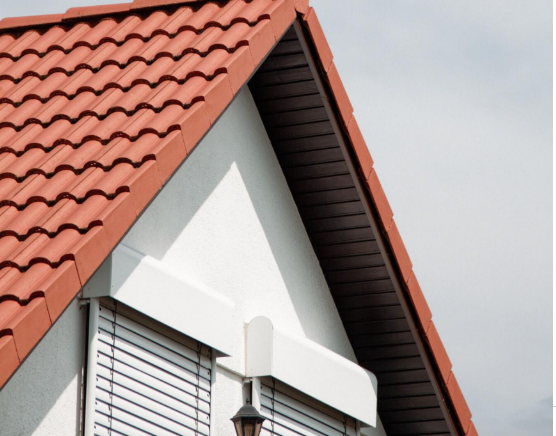
Is your roof ready to protect your home year-round? Many new homeowners overlook roof care, but it is essential. A strong roof keeps your house safe from rain, wind, and sun.
If you neglect it, minor issues can turn into expensive repairs. Regular maintenance helps catch small problems before they grow. With some simple steps, every homeowner can extend their roof’s life.
This blog post explains easy tips and steps for roof care. By the end, you will feel confident protecting your home for years to come. Keep on reading!
Understanding Your Roof’s Materials
Roofs are made from many different materials, including asphalt, wood, tile, and metal. Each type needs special care to stay in good condition. Asphalt shingles are common and easy to check for damage.
Wood shingles need checking for rot or insect problems. Tile roofs are strong but can crack if you walk on them or if debris hits them. Metal roofs resist weather but may rust over time.
Knowing your roof type helps you spot problems early. Always use gentle cleaning methods that suit your material. Avoid harsh chemicals or rough brushes that can cause harm.
Regular checks will help you know what is normal and spot changes quickly. Learning about your roof’s material is the first step to better maintenance.
Why Regular Inspections Matter
Routine roof inspections are a key part of home maintenance. Inspections help catch small problems before they become big repairs. Check your roof at least twice a year.
Look for missing or broken shingles, cracks, or loose tiles. Pay attention to areas near chimneys, vents, and skylights. These spots are more likely to leak or show early signs of wear.
Inspections after severe weather are also important. Hail, wind, or heavy rain can cause hidden damage.
Catching problems early saves money and protects your home. Regular checks keep your roof strong for years.
Checking for Leaks and Water Damage
Leaks are a common roof problem that can lead to bigger issues. Look for water stains on ceilings and walls inside your home. Check the attic for signs of moisture, mold, or musty smells.
Outside, examine the roof for missing shingles, gaps, or cracked flashing. Pay special attention after storms or heavy rainfall. Address leaks as soon as you find them to prevent mold and rot.
Small leaks can quickly become costly repairs if you ignore them. Keep gutters clear to help water flow away from the roof.
Regular leak checks make your home safer and drier. Early action stops damage before it spreads.
Cleaning Your Gutters and Downspouts
Gutters and downspouts move water away from your roof and foundation. Clogged gutters can cause water to back up and damage your roof. Clean them at least twice a year, in spring and fall.
Remove leaves, twigs, and debris by hand or with a scoop. Use a hose to flush out small particles and check for proper flow. Make sure downspouts direct water away from your home’s base.
Look for rust, holes, or loose parts that need repair. Install gutter guards to reduce debris.
Keeping gutters clean helps prevent leaks and water damage. Proper gutter care is a simple way to protect your roof.
Spotting Shingle Damage or Loss
Shingles protect your roof from rain and sun. Over time, they can crack, curl, or go missing. Examine your roof for bald spots, granules in gutters, or uneven areas.
Damaged shingles let water in and weaken your roof. Replace missing or broken shingles as soon as possible. Use matching materials to keep your roof’s look and strength.
If you see a lot of damage, consider a professional inspection. Fixing shingle problems early saves money and stress.
Well-kept shingles mean a longer-lasting roof. Always check shingles after storms for new damage.
Watching for Mold, Moss, and Algae
Mold, moss, and algae often grow on roofs in shady or damp areas. These growths can trap moisture and weaken roofing materials. Look for green, black, or fuzzy patches on shingles or tiles.
Gently clean small spots with a soft brush and mild cleaner. Avoid pressure washers, as they may damage your roof. Trim nearby trees to allow more sunlight and airflow.
Installing zinc or copper strips can help prevent growth. Check your roof regularly, especially after wet weather.
Removing moss and algae keeps your roof in better shape. Preventing growth protects both roof and home.
The Importance of Roof Ventilation
Proper ventilation helps your roof last longer and keeps your home comfortable. Vents allow airflow, reducing heat and moisture in the attic. Poor ventilation can cause mold, rot, and high energy bills.
Check for blocked or damaged vents during roof inspections. Make sure attic insulation does not cover vents or restrict airflow.
Signs of poor ventilation include musty smells and warped wood. Some homes may need additional vents.
Good ventilation protects roofing materials from damage. It also helps keep indoor temperatures steady. A well-ventilated roof is a healthy roof.
Trimming Trees Around Your Roof
Trees provide shade but can cause problems for your roof. Overhanging branches can scrape shingles and drop leaves into gutters. Falling branches may damage tiles or puncture the roof.
Trim tree limbs back at least six feet from your roof. Remove dead or weak branches before storms to reduce risk. Keep the area above your roof clear of debris.
Regular trimming prevents animals from accessing your roof. It also improves sunlight and airflow, reducing moss growth.
A tidy yard helps keep your roof safe. Preventing tree damage saves money on repairs.
Recognizing Flashing Issues
Flashing is metal or plastic that seals gaps around chimneys, vents, and skylights. Damaged or loose flashing can let water in and cause leaks. Check flashing for rust, cracks, or gaps during inspections.
Make sure it is firmly attached and sealed. If you notice water stains near roof openings, inspect the flashing immediately. Repair or replace flashing as soon as you spot a problem.
Use waterproof sealant for small gaps or cracks. Old or severely damaged flashing may need professional help.
Good flashing keeps your roof watertight. Regular checks prevent costly water damage.
Roof Repairs: When to DIY and When to Call a Pro
Some small roof repairs are safe for homeowners to do themselves. Replacing a missing shingle or clearing gutters is usually simple. Always use caution and proper safety gear when working on a roof.
For large repairs, steep roofs, or unknown leaks, call a professional. Experts have the right tools and training to fix complex problems. Never risk injury for a minor repair.
If you feel unsure, get help from a trusted roofing company. Quick, safe repairs keep your roof in good shape.
Knowing your limits helps you avoid bigger issues later. Safety always comes first with roof work.
Roof Maintenance for Different Seasons
Each season brings unique challenges for roof care. In spring, check for winter damage and clear away debris. Summer heat can cause shingles to crack and curl.
Inspect for signs of sun wear and repair as needed. In fall, clean gutters and remove fallen leaves from the roof. Winter brings ice and snow, which can add extra weight.
Remove snow carefully and look for ice dams near edges. Prepare your roof for each season’s weather.
Regular seasonal checks help your roof last longer. Staying ahead of the seasons keeps your roof strong year-round.
Preventing Ice Dams in Winter
Ice dams form when snow melts on a warm roof and refreezes at the edge. This can block drainage and cause leaks inside your home. Make sure your attic is well-insulated and ventilated to keep roof temperatures steady.
Clear gutters before winter to prevent clogs. Use a roof rake to remove snow after heavy storms. Avoid using salt or sharp tools on the roof, as they can damage shingles.
Watch for icicles along the roof edge, as they may signal a problem. Seal attic gaps to stop warm air from escaping.
Preventing ice dams protects both roof and home. Early action saves time and money.
Handling Small Roof Leaks Quickly
Small leaks are easy to miss but can lead to big problems if ignored. Check for water spots on ceilings and walls after rain. Inspect the attic regularly for moisture or mold.
Cover small leaks with roofing tape or a patch as a temporary fix. Schedule a professional repair as soon as possible. Keep a record of past leak repairs to spot recurring issues.
Quick action prevents further damage to your home. Fixing leaks early is cheaper and less stressful.
Clean up any water and dry the area right away. A fast response keeps your home safe and comfortable.
The Benefits of Regular Roof Cleaning
Regular roof cleaning helps prevent dirt, moss, and algae buildup. A clean roof looks better and lasts longer. Use a garden hose or soft brush for gentle cleaning.
Avoid harsh chemicals or pressure washers, as they can harm roofing materials. Clean gutters and downspouts at the same time. Remove sticks, leaves, and debris from roof valleys and around vents.
Schedule cleaning during dry weather for best results. Trim trees to reduce debris on your roof.
Regular cleaning helps you spot small problems early. A tidy roof adds value and protects your home for years.
Protecting Roofs from Animal Damage
Birds, squirrels, and insects sometimes make nests in roofs or gutters. Animals can tear shingles, chew through wood, or block vents. Check for signs of animal entry, such as droppings or noises in the attic.
Install mesh screens on vents and chimneys to keep animals out. Trim tree branches away from the roof to prevent easy access. Seal any gaps or holes along the roofline.
Remove food sources near your home to discourage pests. A professional pest control service can help if animals become a problem. Protecting against animals keeps your roof in better shape. Early prevention avoids costly repairs later.
Knowing When to Replace Your Roof
Roofs have a limited lifespan, usually 15 to 30 years, depending on materials. Watch for signs of aging like curling shingles, widespread leaks, or sagging areas. If repairs become frequent or costly, you may need a full replacement.
A new roof can increase home value and improve safety. Get a professional inspection for an expert opinion on when to replace it. Choose quality materials for longer-lasting results.
Plan to save for this big project. Replacing your roof before major damage protects your home from future problems.
Regular care helps delay the need for replacement. Make informed decisions to protect your home.
Finding Professional Help When Needed
Sometimes, roof problems are too complex for homeowners to handle alone. Look for a licensed and insured contractor with good reviews. Ask friends or neighbors for recommendations.
Get multiple quotes to compare prices and services. Make sure the contractor offers a written estimate and warranty. Stay informed during the repair process and ask questions.
A trustworthy professional will explain the work and keep you updated. Choose local experts familiar with your area’s weather and materials.
For example, a reliable roofing company in Fort Lauderdale will know how to protect homes from heavy rain and strong sun. Good help ensures your roof stays in top condition.
Establishing a Roof Maintenance Schedule
A regular schedule makes roof care easy and effective. Mark your calendar for twice-yearly inspections in spring and fall. Add extra checks after storms or severe weather.
Set reminders to clean gutters and trim trees before each season. Keep a notebook or digital record of repairs and inspections. This helps track your roof’s condition over time.
Taking small steps regularly prevents bigger problems later. Share your schedule with family or housemates so you can work together.
A little planning goes a long way in roof maintenance. Consistency is key for a safe, lasting roof.
Your Roof, Your Home’s Protector
A healthy roof means a safer, happier home. Simple care steps help prevent expensive repairs and stress. Regular inspections, cleaning, and small fixes make a big difference.
Every homeowner can learn to spot early signs of trouble. Professional help is there for bigger jobs or when unsure. Protecting your roof keeps your whole home in better shape.