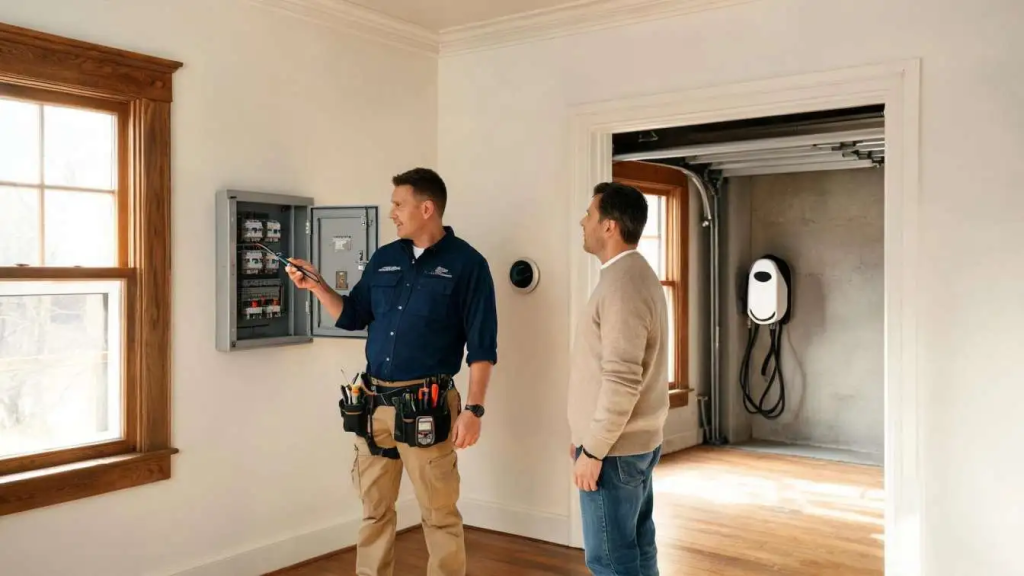
The way we use electricity at home has changed massively. A few decades ago, most households needed power for lighting, basic kitchen appliances, a television and perhaps a few plug-in devices. Today, the average home is expected to support laptops, phone chargers, smart speakers, gaming equipment, home offices, outdoor lighting, security systems and sometimes even EV chargers.
The problem is that many older homes were not designed for this level of demand. The wiring may still work, but that does not always mean the system is suitable for modern living. If a property feels short on sockets, trips regularly or shows signs of ageing electrics, it may be time to take a closer look.
Older Homes Were Built for Different Habits
Older electrical systems were designed around the needs of the time. Many homes had fewer appliances, fewer sockets and far less demand in each room.
Now, a single bedroom may need power for a phone, lamp, television, laptop, hairdryer, charger and smart device. A kitchen may need dedicated supplies for an oven, hob, dishwasher, washing machine, microwave, extractor and small appliances. A living room may need sockets for media units, routers, lamps, consoles and charging stations.
When an older installation has not been updated properly, homeowners often end up relying on extension leads and multi-plug adapters. This can be inconvenient and may increase the risk of overloading sockets.
Home Offices Have Added More Pressure
Working from home has made electrical planning even more important. A home office might need sockets for monitors, laptops, printers, chargers, lighting and Wi-Fi equipment.
If the room was originally designed as a spare bedroom, it may only have one or two sockets. That can quickly become frustrating. Extension leads may work in the short term, but they are not ideal as a permanent setup.
A properly planned electrical system should support how rooms are actually used. If the home’s wiring no longer matches modern routines, upgrades may be needed.
Kitchens Need More Electrical Capacity Than Ever
Kitchens are one of the most demanding rooms in the home. Modern appliances, under-cabinet lighting, induction hobs, boiling water taps, extractor fans and smart controls can all add to the electrical load.
If an older kitchen is being upgraded, the existing wiring should be checked before new units, tiles and flooring are installed. It is much easier to add circuits, move sockets or update wiring before the room is finished.
A kitchen may look modern on the outside, but if the electrical system behind it is outdated, it can limit performance and safety.
Warning Signs Can Start Small
Electrical problems are not always dramatic. In many homes, the first signs are small and easy to dismiss.
You might notice lights flickering when appliances turn on, sockets feeling warm, switches buzzing or circuits tripping more often than they used to. There may also be old accessories, cracked socket fronts or a fusebox that looks outdated.
These signs do not always mean a full rewire is needed, but they should not be ignored. They can suggest that the system is under strain, deteriorating or not protected to modern expectations.
For homeowners unsure what to look for, this guide to when a house needs rewiring explains the warning signs that may point to a wider electrical issue.
Outdoor Power Is Now More Common
Many homes now use electricity outside as well as inside. Garden lighting, outdoor sockets, hot tubs, sheds, garden rooms, security cameras and EV chargers all need proper planning.
Outdoor electrics must be suitable for the environment and protected from weather, moisture and damage. They should not be run from unsafe extension leads or improvised connections.
If outdoor power has been added gradually over time, it may be worth having it checked. Poor outdoor electrical work can create serious safety risks, especially in wet conditions.
Smart Homes Need Reliable Wiring
Smart home devices can make life easier, but they still depend on a reliable electrical system. Smart lighting, heating controls, video doorbells, cameras and home automation equipment all need safe power and, in many cases, stable connectivity.
If the wiring is old or poorly altered, adding more technology may expose weaknesses. Devices may lose power, circuits may become overloaded, or installation options may be limited.
A smart home starts with the basics. Safe wiring, enough sockets and suitable circuits matter more than the gadgets themselves.
Consumer Units Should Be Reviewed
The consumer unit is the central control point of the home’s electrical system. Older fuseboxes may not offer the same level of protection as modern units.
Modern consumer units can include RCD or RCBO protection, which helps reduce the risk of electric shock and electrical faults. If the consumer unit is old, damaged or lacks modern protection, it may need upgrading.
However, upgrading the consumer unit may reveal issues with the existing wiring. This is why proper inspection and testing are important before major electrical changes are made.
Future-Proofing Saves Disruption Later
A home’s electrical system should not only meet today’s needs. It should also consider what may be needed in the future.
Homeowners may later want an EV charger, solar battery, garden office, extra appliances or more home working space. Planning ahead can make these upgrades easier and less disruptive.
During renovations, rewiring or electrical upgrades, it is worth thinking about spare capacity, better socket placement, outdoor power, data cabling and future appliance needs.
Final Thoughts
Modern homes need more from their electrical systems than ever before. Older wiring may still function, but that does not mean it is suitable for today’s appliances, work habits, smart technology and outdoor power demands.
If a home has too few sockets, frequent tripping, flickering lights, warm outlets or an outdated fusebox, it is worth getting the installation checked. A professional inspection can help determine whether simple upgrades, partial rewiring or a full rewire is the right option.
A reliable electrical system may be hidden behind the walls, but it affects almost every part of daily life. Making sure it can keep up with modern living is one of the most practical improvements a homeowner can make.