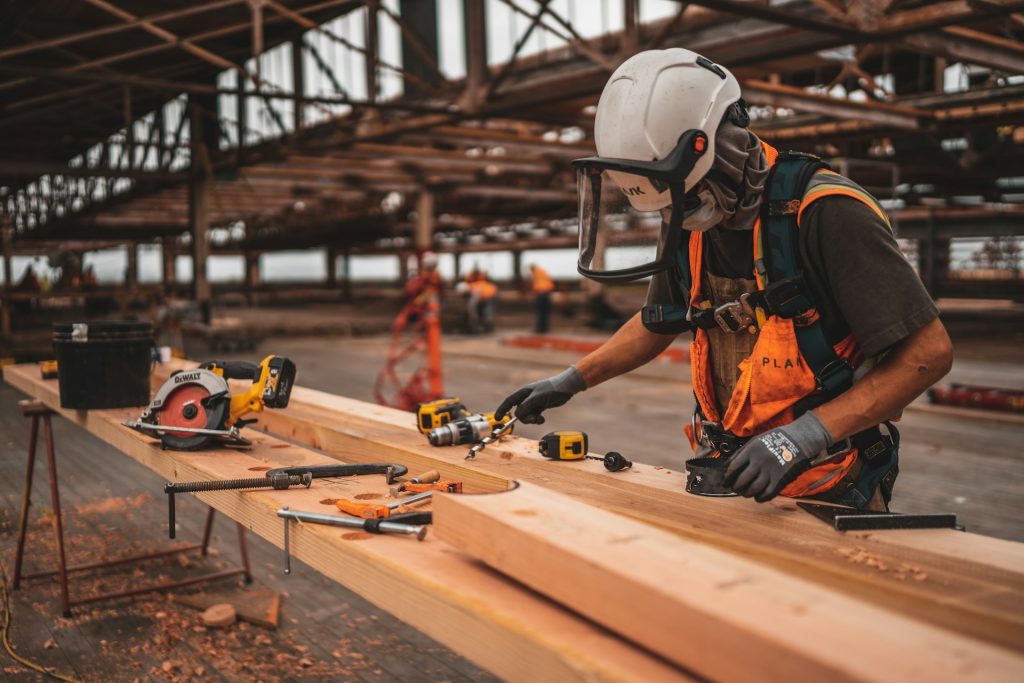
Building a new home gives homeowners, builders, and contractors an important opportunity to make smart performance decisions before walls, ceilings, and floors are closed in. One of the most important decisions is insulation planning. Unlike remodeling, new construction allows the insulation strategy to be designed from the beginning rather than added later as a correction. When properly planned, new construction insulation can improve comfort, reduce energy waste, support better indoor air quality, and help protect the structure from moisture problems. It can also help the HVAC system operate more efficiently because the home is better equipped to hold heated or cooled air. Insulation is not just about filling wall cavities. It is part of a larger system that includes air sealing, ventilation, moisture control, window performance, roof design, and mechanical equipment sizing. The best results come from looking at the home as a whole before construction moves too far forward.
Start With the Climate Zone
Every insulation plan should begin with the home’s climate zone. A house in a cold northern region has different needs than one in a hot, humid coastal area or a dry desert climate. Climate affects recommended insulation levels, vapor control strategies, attic design, and material selection. For example, homes in cold climates usually need strong thermal protection around the attic, walls, basement, and foundation to reduce heat loss. Homes in hot climates often need careful attic insulation, radiant heat control, and air sealing to reduce cooling demand. Humid regions require extra attention to moisture movement so insulation does not trap condensation inside building assemblies. Before choosing materials, builders should review local code requirements and energy standards. These requirements often specify minimum R-values for different parts of the home, including attics, walls, floors, and crawl spaces. Meeting code is the baseline, but many homeowners choose to exceed the minimum for better long-term performance.
Think Beyond R-Value
R-value measures how well insulation resists heat flow, but it is not the only factor that determines performance. A high R-value material can still underperform if it is installed poorly, compressed into a cavity, interrupted by gaps, or placed in an assembly with air leaks. In new construction, planning should include both R-value and installation quality. Builders should consider how each insulation material will fit within the framing design, whether the cavity depth is sufficient, and how thermal bridging will be reduced. Thermal bridging happens when heat moves through framing members such as studs, joists, and rafters, bypassing the insulated cavities. Continuous insulation installed over exterior sheathing can help reduce this issue. A complete insulation plan should consider:
- Required and recommended R-values by location
- Air sealing details
- Framing layout and cavity depth
- Thermal bridging through studs and joists
- Moisture and vapor control
- Compatibility with HVAC and ventilation systems
- Long-term durability of the chosen material
Choose the Right Insulation Materials
There are several insulation materials commonly used in new homes. Each has strengths, limitations, and ideal applications. Fiberglass batts are widely used because they are affordable and available, but they must be installed carefully to avoid gaps and compression. Blown-in fiberglass can provide more even attic coverage and can be useful in hard-to-reach areas. Cellulose is another blown-in option that offers good coverage and is often made from recycled materials. Spray foam can provide insulation and air sealing in one application, making it useful for complex framing areas, roof decks, rim joists, and certain high-performance designs. Mineral wool offers thermal resistance, sound reduction, and fire resistance. Rigid foam or mineral wool boards may be used as continuous exterior insulation. The best material depends on the project’s goals, budget, climate, and building design. In many cases, a combination of products works better than relying on one material throughout the entire home.
Plan Air Sealing Early
Air sealing should never be treated as an afterthought. Even well-insulated homes can lose energy if conditioned air escapes through gaps and cracks. New construction provides the perfect chance to seal common leakage points before drywall is installed. This includes areas around plumbing penetrations, wiring holes, top plates, bottom plates, rim joists, recessed lighting, attic access points, and duct chases. Air sealing helps prevent drafts, improves comfort, reduces energy loss, and supports better moisture control. It also helps the HVAC system maintain consistent indoor temperatures. Important air sealing areas include:
- Wall-to-ceiling connections
- Exterior wall penetrations
- Attic hatches and pull-down stairs
- Rim joists and band joists
- Plumbing and electrical openings
- Duct boots and chases
- Fireplace and chimney framing gaps
- Garage-to-house connections
A blower door test can help confirm whether the home is sealed properly before final completion.
Coordinate Insulation With HVAC Design
Insulation and HVAC design should be planned together. If insulation levels are improved, heating and cooling loads may be lower, which can affect equipment sizing. Oversized HVAC systems can short-cycle, reduce comfort, waste energy, and struggle with humidity control. Undersized systems may run constantly and fail to maintain the desired temperature. A proper load calculation should be completed after insulation levels, window specifications, air sealing targets, and home orientation are known. Ductwork should also be considered. Ducts located in unconditioned attics or crawl spaces can lose energy, especially if they are leaky or poorly insulated. Whenever possible, ducts should be placed within conditioned space. If ducts must run through unconditioned areas, they should be well sealed and insulated. Coordinating these details early can prevent costly changes later.
Pay Special Attention to the Attic
The attic is one of the most important areas in a new construction insulation plan. Because heat rises in winter and roof surfaces absorb intense solar heat in summer, attic insulation has a major effect on comfort and energy use. Builders should decide whether the attic will be vented or unvented. In a traditional vented attic, insulation is usually placed on the attic floor, and ventilation helps manage heat and moisture above it. In an unvented attic, insulation is often applied along the roof deck, bringing the attic closer to conditioned space. This approach may be useful when HVAC equipment or ductwork is located in the attic. The right choice depends on climate, roof design, mechanical layout, and budget. Attic planning should include proper insulation depth, ventilation pathways if required, air sealing at the ceiling plane, and protection around recessed lights and access points.
Do Not Overlook Walls, Floors, and Foundations
While attics get a lot of attention, walls, floors, and foundations are also critical. Exterior walls should be insulated evenly and carefully, with minimal gaps around wiring, plumbing, and framing intersections. Advanced framing techniques can reduce thermal bridging and create more room for insulation. Floors over garages, crawl spaces, or outdoor air need strong insulation and air sealing to prevent comfort issues. Foundation insulation is also important, especially in basements and crawl spaces. A poorly insulated foundation can contribute to cold floors, moisture problems, and energy loss. Crawl spaces should be designed with a clear strategy. Some are vented and insulated at the floor level, while others are sealed and insulated along the walls. The best approach depends on climate, drainage, humidity, and local code.
Manage Moisture From the Beginning
Moisture planning is essential in new construction. Insulation can help control temperature, but it must be installed in assemblies that handle moisture safely. Poor vapor control, roof leaks, plumbing leaks, or trapped humidity can lead to mold, rot, odors, and insulation damage. Builders should consider how water vapor moves through walls, ceilings, and foundations in the local climate. Vapor retarders, housewrap, flashing, drainage planes, and ventilation should be coordinated with the insulation plan. Bathrooms, kitchens, and laundry areas need proper exhaust ventilation. Crawl spaces and basements need drainage and moisture control. The goal is to keep bulk water out, allow assemblies to dry when needed, and avoid trapping moisture in vulnerable areas.
FAQ About New Construction Insulation
What is the best insulation for a new home?
There is no single best option for every project. The best choice depends on climate, budget, framing design, energy goals, and moisture conditions. Many homes use a combination of fiberglass, cellulose, spray foam, mineral wool, or rigid insulation.
When should insulation planning happen?
Insulation planning should begin during the design phase. Waiting until framing is complete can limit options and make it harder to coordinate air sealing, HVAC design, ventilation, and moisture control.
Should I exceed minimum code insulation levels?
In many cases, yes. Code minimums provide a baseline, but higher insulation levels may improve comfort, reduce energy use, and support long-term savings. The benefit depends on the home design and local climate.
Is spray foam always better than fiberglass?
No. Spray foam can provide strong air sealing and thermal performance, but it costs more and may not be necessary for every area. Fiberglass, cellulose, and mineral wool can perform very well when installed correctly.
Does insulation affect HVAC size?
Yes. Better insulation and air sealing can reduce heating and cooling loads. HVAC equipment should be sized using accurate load calculations that reflect the home’s insulation levels and air sealing strategy.
Can insulation help with sound control?
Yes. Certain insulation materials, especially mineral wool, cellulose, and dense fiberglass products, can help reduce sound transfer between rooms, floors, and exterior walls.
Final Thoughts
A successful insulation plan starts long before installation day. For new residential construction projects, builders and homeowners should think about climate, material selection, air sealing, HVAC coordination, moisture control, and installation quality as connected parts of one system. Proper new construction insulation can make a home more comfortable, efficient, durable, and easier to maintain. It can also reduce future problems that are expensive to fix after drywall, siding, and finishes are complete. By planning early and paying attention to the details, a new home can perform better from the first day of occupancy and continue delivering value for years to come.