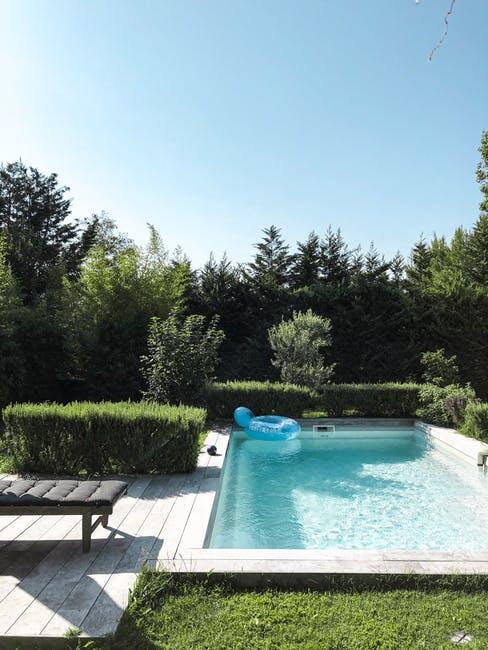
Could the right pool turn an ordinary yard into a place the whole household enjoys? Choosing a pool is about more than picking a shape or color. The material affects cost, upkeep, comfort, and how the pool fits the land.
Fiberglass, vinyl, and concrete each offer useful benefits for different needs. The yard size and local conditions also deserve careful thought. A clear comparison can make the decision less stressful and more practical.
This guide will help readers compare key options and choose a pool that suits their property and lifestyle. Keep on reading!
Consider the Available Yard Space
Start by studying the size and shape of the yard before choosing a pool. Measure the usable area and note trees, slopes, fences, and existing structures.
A smaller yard may suit a compact fiberglass or vinyl pool better than a large concrete design. Leave enough room for walking, equipment, drainage, and safe access around the pool.
Compare Fiberglass for Easy Care
Fiberglass pools arrive as preformed shells, which can speed installation compared with many other options. Their smooth surfaces are easy to clean and can resist common staining problems.
They also come in many shapes and sizes, although available molds limit choices. This option can be a strong fit for households that want simple care and a shorter installation period.
Think About Vinyl Pool Benefits
Vinyl pools use a flexible liner placed over a prepared frame and base. The liner comes in many patterns, so homeowners can create a look that matches the yard.
You may eventually need a replacement because liners can tear or wear over time. Professional planning from companies such as Artesian Pools of Orlando can help match liner choices, layouts, and site needs.
Explore Concrete Pool Options
Concrete pools offer great design freedom because they can be built in many shapes and depths. This makes them useful for unusual yards or owners who want special features.
They can include steps, benches, tanning areas, and custom curves that fit a planned landscape. However, concrete usually needs more cleaning and surface care than fiberglass or vinyl.
Match the Pool to Your Lifestyle
Consider how you’ll use the pool before settling on a material. Families with children may value shallow areas, easy maintenance, and safe entry points.
People who enjoy pool exercises may need greater length or a shape suited to swimming laps. Those who mainly want to relax may prefer comfortable seating, gentle steps, and space for outdoor gatherings.
Set a Realistic Budget
The purchase price is only one part of pool ownership. Consider installation, decking, fencing, pumps, cleaning supplies, repairs, and regular water care.
Fiberglass may reduce upkeep, while vinyl can offer a lower starting price, but long-term costs vary by property and use. A detailed budget helps prevent surprises and keeps the project within reach.
Make the Choice With Confidence
Understanding the property, budget, and space use helps choose the right pool. Fiberglass is for easy-care owners, while vinyl offers design variety at a low cost.
Concrete is known for its unique shapes, features, and yard layouts. Careful planning can create a pool that looks natural, works well, and is enjoyable for years while supporting family outdoor living.