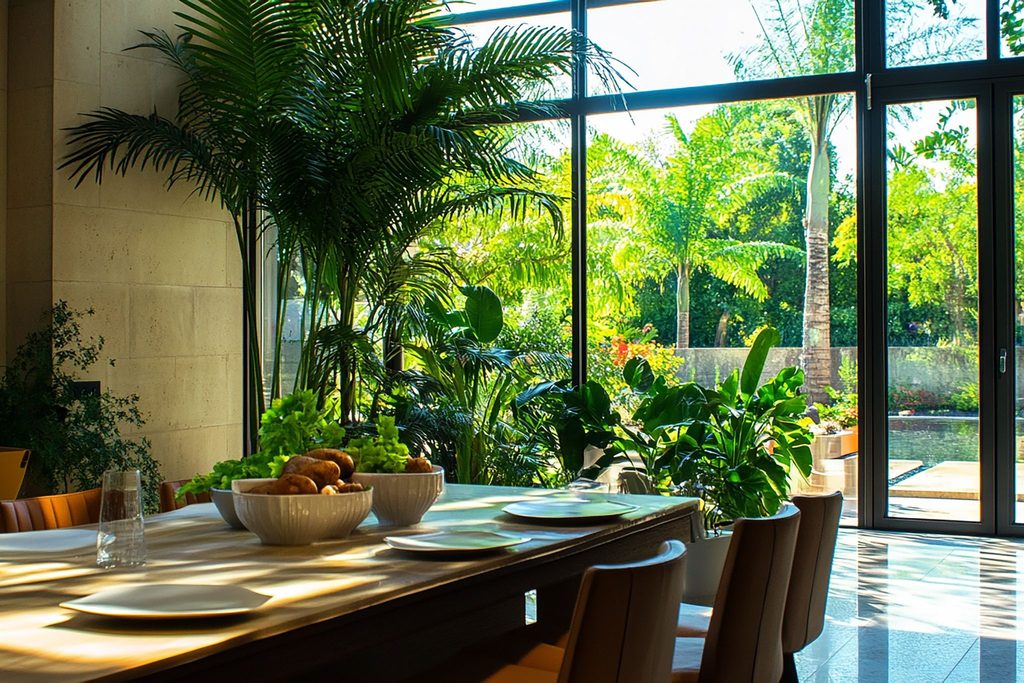
Outdoor spaces in Singapore can support a wide range of plants, but the climate creates conditions that differ from those in cooler countries. High temperatures, humidity, intense sunlight and frequent rainfall can all affect how a plant grows. A suitable choice therefore depends less on appearance alone and more on whether the plant matches its location and the amount of care available.
Before buying outdoor plants in Singapore, assess the space carefully. Note how much direct sunlight reaches it, whether rain can reach the containers or soil, and how quickly water drains after heavy showers. These details provide a practical starting point for choosing plants that can establish themselves without constant adjustment.
1. Match the Plant to Your Outdoor Space
Start with the physical conditions around the planting area. A balcony may receive strong afternoon sun, while a sheltered corridor may receive bright light without prolonged direct exposure. A landed garden can offer more room for larger shrubs or trees, but nearby walls and paving can still create hot, dry pockets.
Container size also matters. Plants with larger root systems need sufficient soil volume, while compact varieties can work well in smaller pots. Check the mature size rather than choosing based only on the plant’s current appearance. This approach reduces the risk of overcrowding and makes routine maintenance easier as growth continues.
2. Consider Singapore’s Sun and Rain Patterns
Light requirements should guide the selection process because plants respond differently to full sun, partial shade and sheltered conditions. Plants placed in intense sunlight may need more frequent watering, particularly when containers heat up quickly. Those kept in darker corners may struggle if they require several hours of strong light.
Rainfall creates another consideration. Frequent rain can benefit outdoor planting, but poorly drained soil can leave roots sitting in excess water. Choose containers with effective drainage and use a growing medium suited to the plant. Where a garden becomes waterlogged after storms, improve drainage before introducing plants that prefer drier conditions.
3. Plan Maintenance Around Your Routine
A plant that suits the climate may still prove unsuitable if its care requirements exceed your available time. Consider how often you can water, prune, remove damaged leaves, replenish growing media and check for pests. Container plants often need closer attention than established garden plants because their available soil and moisture can change more quickly.
Think about maintenance before choosing a large collection. A smaller selection of compatible plants can create a cohesive outdoor space without creating an impractical workload. If you are sourcing from a flower shop in Singapore, ask about watering needs, preferred light levels and expected mature size rather than relying only on appearance.
4. Check Long-Term Growth and Placement
The right outdoor plant should remain suitable as it develops. Consider whether its eventual height, spread and root growth will work with nearby walls, railings, walkways and windows. Fast-growing plants may require more pruning, while slower-growing varieties can take longer to create the desired coverage.
Placement can also affect the wider space. Plants may provide shade, privacy or visual structure, but they should not block drainage points or make access difficult. Leave enough room for pruning and cleaning around containers, and avoid positioning heavy pots where their weight could create problems for a balcony or elevated area.
Seasonal changes still matter, even in a tropical climate. Although Singapore does not experience four distinct seasons, rainfall and periods of stronger heat can alter watering needs. Observe how the space behaves over several weeks instead of assuming that one day’s conditions represent the whole year. This is especially useful for balconies and roof terraces, where wind exposure can increase moisture loss despite frequent rain. It also helps reveal areas where leaves remain wet for long periods, which may influence plant placement and routine care. Use these observations when discussing suitable choices with a knowledgeable plant supplier before purchasing.
Where the Right Choice Leads
A good selection starts with the conditions you can provide consistently. Record the space’s light exposure, drainage, available room and realistic maintenance time before comparing individual plants. This gives you useful criteria for judging whether a plant will remain manageable beyond its first few weeks.
Contact D’Spring to discuss suitable outdoor plant choices, available options and practical requirements for your Singapore home or garden.