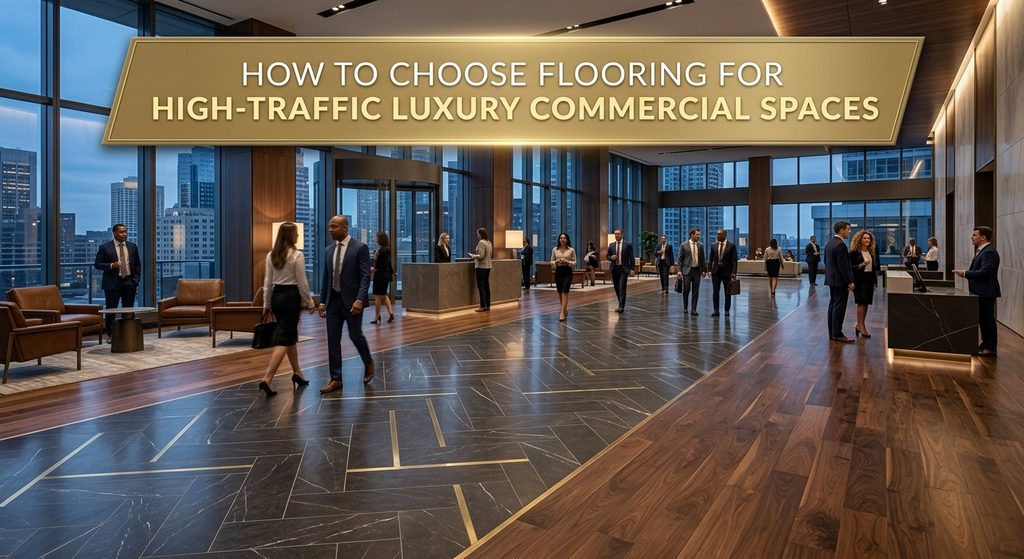
Luxury commercial spaces need flooring that looks polished without becoming fragile or difficult to maintain. Hotels, showrooms, restaurants, offices, and upscale retail spaces all face the same challenge: the floor must make a strong first impression while handling constant foot traffic.
For property owners comparing options, commercial epoxy flooring ct can be worth considering because it combines durability, clean design, and simple maintenance. The right choice, however, depends on how the space is used, how much traffic it receives, and what atmosphere the business wants to create.
A beautiful floor that scratches easily or needs frequent repairs can quickly become expensive. Before choosing a material, look beyond color and style and focus on performance, safety, cleaning needs, and long-term value.
Start With Daily Traffic
Traffic level should be one of the first factors you consider. A small private office does not place the same demands on flooring as a busy restaurant entrance or retail showroom.
Ask a few practical questions:
- How many people use the space daily?
- Will carts or equipment roll across the floor?
- Are customers likely to bring in water or dirt?
- Will furniture be moved often?
- Are spills common?
Balance Luxury Appearance With Durability
Luxury does not always mean delicate. In commercial settings, the best flooring combines a refined appearance with a surface that can handle real-world use.
Natural stone can look impressive, but it may require sealing and specialized care. Tile is durable, yet grout lines can be harder to maintain. Luxury vinyl offers many design choices, although heavy traffic can eventually show wear.
Epoxy and similar resin systems can create a seamless appearance with many color, texture, and finish options. This makes them useful where appearance and performance matter equally.
Think About Cleaning and Maintenance
Flooring in a luxury business should not only look good on opening day. It should remain presentable without requiring excessive maintenance.
Seamless surfaces are often easier to clean because dirt cannot collect in grout lines or deep joints. This can be helpful in restaurants, salons, showrooms, medical offices, and other spaces where cleanliness affects the customer experience.
Ask what daily cleaning is required. Some materials need special cleaners, waxing, sealing, or polishing. Others only require regular sweeping and mopping.
A lower-maintenance floor can reduce labor costs and make it easier to keep the property looking polished.
The right floor should also suit the pace of the business, helping the space stay attractive even during busy days when cleaning and maintenance cannot happen immediately for staff members.
Pay Attention to Slip Resistance
Luxury design should never come at the expense of safety. Smooth, glossy floors can look impressive, but they may become slippery when wet.
Many flooring systems can include textures or additives that improve traction. The goal is balance. Too much texture can make cleaning harder, while too little can create unnecessary risk.
Discuss slip resistance with the installer and consider how the surface will perform during normal business conditions.
Choose a Style That Fits the Brand
The floor is a major visual element, especially in open commercial spaces. Its color, sheen, and pattern should support the overall design instead of competing with it.
A luxury car showroom may benefit from a smooth gray or charcoal finish that keeps attention on the vehicles. A boutique may prefer a warmer neutral tone. A modern office could use a clean, subtle floor that works with glass, wood, and metal finishes.
Consider lighting as well. Glossy surfaces reflect more light and can make a space feel brighter. Matte or satin finishes may create a softer, more understated look.
Consider How Fast the Space Must Reopen
Downtime matters in commercial properties. Every day a business is closed can affect revenue, staff schedules, and customer access.
Some flooring materials require longer installation times than others. Existing flooring may need removal, and the concrete underneath could require repairs or surface preparation.
For businesses that cannot close for long, faster-curing systems may be worth considering.
Look at Long-Term Cost
The lowest initial quote is not always the least expensive choice.
A floor that costs less today but needs frequent repairs or replacement can become costly over several years. A more durable system may offer better value if it lasts longer and requires less maintenance.
Consider:
- Installation cost
- Expected lifespan
- Cleaning requirements
- Repair costs
- Downtime
- Future replacement
Do Not Ignore Surface Preparation
Even premium flooring can fail if the surface underneath is not prepared correctly.
Concrete should be inspected for cracks, moisture issues, old coatings, oil, or other contaminants. Proper grinding, cleaning, and repair help the new system bond correctly.
This step is especially important with coatings and resin floors. Poor preparation can lead to peeling, bubbling, or uneven areas later.
A quality contractor should explain how the existing surface will be prepared before installation begins.
Conclusion
Choosing flooring for a high-traffic luxury commercial space requires more than picking an attractive finish. The floor must handle daily use, support the brand, remain safe, and stay easy to maintain.
Focus on durability, cleaning, slip resistance, installation time, and long-term cost. When those practical needs are balanced with design, the result can look sophisticated while performing well for years.
Frequently Asked Questions
What flooring is best for high-traffic commercial spaces?
Durable options include epoxy, polished concrete, porcelain tile, and certain commercial vinyl products. The best choice depends on traffic, appearance, maintenance, and budget.
Is epoxy flooring suitable for luxury interiors?
Yes. Modern epoxy systems can include solid colors, metallic effects, decorative flakes, and satin or gloss finishes, making them suitable for upscale commercial settings.
How long should commercial flooring last?
Lifespan depends on the material, quality of installation, level of traffic, and ongoing maintenance. Well-installed commercial flooring can often last many years before major replacement is needed.
Should I choose glossy or matte flooring?
Glossy floors create a brighter, polished appearance, while matte finishes hide small marks more easily. The best choice depends on lighting, design goals, cleaning needs, and slip resistance.