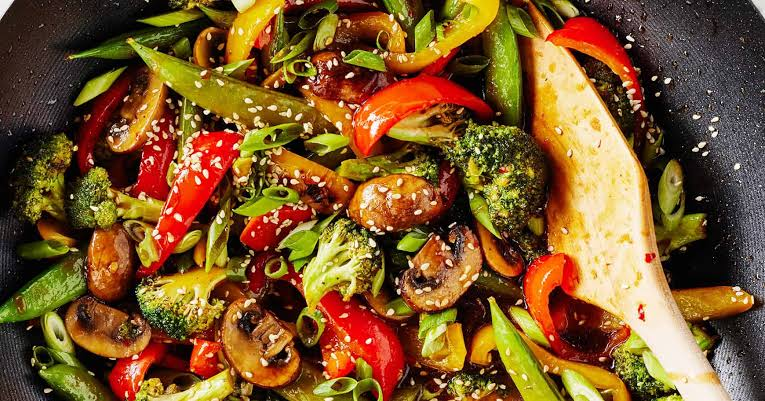
Stir-fry meals have earned a place in kitchens around the world for good reason. They’re quick to prepare, endlessly customizable, and a fantastic way to turn simple ingredients into satisfying meals. Whether you’re cooking fresh vegetables, chicken, beef, shrimp, tofu, or noodles, one element ties every great stir-fry together: the sauce. A well-balanced sauce transforms everyday ingredients into a flavorful dish that tastes like it came from your favorite restaurant.
The beauty of homemade stir-fry sauces is their flexibility. You don’t need a long list of specialty ingredients to create bold flavors. Many delicious sauces rely on pantry staples such as soy sauce, garlic, ginger, honey, vinegar, sesame oil, and a few spices. By adjusting the proportions, you can create everything from sweet and tangy glazes to rich umami-packed sauces or fiery blends that bring plenty of heat.
Another advantage of making your own sauces is customization. You control the sweetness, sodium, spice level, and overall flavor profile. This makes it easy to tailor recipes to your family’s preferences while avoiding unnecessary preservatives or additives often found in bottled alternatives.
Once you understand the basic building blocks of a great sauce, experimenting becomes part of the fun. You can create entirely different meals using the same vegetables or proteins simply by changing the flavors you pair with them.
Whether you’re preparing vegetables, chicken, noodles, or beef, a homemade stir fry sauce allows you to create meals that range from lightly sweet and savory to boldly spicy, making every dinner feel fresh and exciting.
The Building Blocks of a Great Stir-Fry Sauce
Most successful stir-fry sauces balance several key flavor elements. Understanding how these components work together helps you create recipes that taste well-rounded instead of one-dimensional.
Salty
Soy sauce, tamari, or coconut aminos provide the savory foundation that enhances the natural flavor of your ingredients.
Sweet
Honey, maple syrup, brown sugar, or even orange juice can soften salty flavors while helping vegetables and proteins caramelize during cooking.
Acidic
Rice vinegar, lime juice, or lemon juice adds brightness and prevents sauces from tasting too heavy.
Aromatics
Fresh garlic, ginger, shallots, and green onions contribute layers of fragrance and complexity.
Richness
Sesame oil, peanut oil, or a small amount of butter can provide richness and a smooth finish.
Heat
Fresh chilies, crushed red pepper flakes, chili garlic sauce, or sriracha allow you to adjust the spice level to your liking.
Sweet Stir-Fry Sauce Recipe
A sweet sauce works beautifully with chicken, shrimp, vegetables, or tofu while creating a glossy finish.
Ingredients
- ¼ cup low-sodium soy sauce
- 2 tablespoons honey
- 1 tablespoon brown sugar
- 1 tablespoon rice vinegar
- 1 teaspoon sesame oil
- 2 garlic cloves, minced
- 1 teaspoon grated ginger
- 1 teaspoon cornstarch
- 2 tablespoons water
Instructions
- Whisk together all ingredients except the cornstarch and water.
- Mix the cornstarch with water until smooth.
- Heat the sauce in a small saucepan over medium heat.
- Stir in the cornstarch mixture and cook until slightly thickened.
- Toss with cooked vegetables and your preferred protein.
Savory Garlic Ginger Sauce
This versatile sauce highlights rich umami flavors while allowing fresh ingredients to shine.
Ingredients
- ¼ cup soy sauce
- 2 tablespoons vegetable broth
- 1 tablespoon sesame oil
- 3 garlic cloves, minced
- 1 tablespoon grated ginger
- 1 tablespoon oyster sauce (optional)
- 1 teaspoon cornstarch mixed with 2 tablespoons water
Instructions
Combine the ingredients in a saucepan, simmer gently, and stir until the sauce thickens slightly. Use immediately with stir-fried vegetables, chicken, pork, or beef.
Spicy Chili Sesame Sauce
If you enjoy bold flavors, this sauce adds warmth without overwhelming the other ingredients.
Ingredients
- ¼ cup soy sauce
- 1 tablespoon chili garlic sauce
- 1 tablespoon honey
- 1 tablespoon rice vinegar
- 1 teaspoon sesame oil
- 2 garlic cloves
- 1 teaspoon grated ginger
Instructions
Whisk all ingredients together and pour over your stir-fry during the final minutes of cooking. Adjust the chili sauce to increase or decrease the heat level.
Choosing the Right Ingredients
Great stir-fry meals begin with fresh ingredients that cook quickly.
Excellent vegetables include:
- Broccoli
- Bell peppers
- Snow peas
- Mushrooms
- Carrots
- Bok choy
- Zucchini
- Baby corn
- Green beans
Popular protein options include:
- Chicken breast
- Beef strips
- Pork tenderloin
- Shrimp
- Tofu
- Tempeh
Pair these ingredients with rice, noodles, or cauliflower rice depending on your preferences.
Tips for Better Stir-Frying
Even the best sauce benefits from proper cooking technique.
Prepare Everything First
Since stir-frying happens quickly, chop vegetables and measure sauce ingredients before turning on the heat.
Use High Heat
Cooking over high heat helps vegetables remain crisp while encouraging caramelization.
Avoid Overcrowding
Cooking too much food at once lowers the pan’s temperature and causes ingredients to steam instead of sear.
Add Sauce Near the End
Most sauces only need a minute or two to coat the ingredients and thicken properly.
Flavor Variations to Try
Once you’ve mastered the basics, it’s easy to create new combinations.
Orange Ginger
Add fresh orange juice and zest for a bright citrus flavor.
Peanut Sauce
Whisk peanut butter into your savory sauce for a creamy finish that pairs beautifully with chicken or noodles.
Teriyaki Style
Increase the sweetness slightly and add extra soy sauce for a glossy, family-friendly option.
Thai-Inspired
Incorporate lime juice, fish sauce, garlic, and a touch of brown sugar for vibrant Southeast Asian flavors.
Garlic Black Pepper
Freshly cracked black pepper combined with extra garlic creates a bold, aromatic sauce perfect for beef.
Meal Prep Made Easy
Homemade stir-fry sauces are excellent for meal preparation. Most can be mixed several days in advance and stored in airtight containers in the refrigerator.
Preparing sauces ahead of time means dinner comes together in minutes. Simply cook your vegetables and protein, pour in the prepared sauce, and stir until everything is coated.
You can even freeze certain sauces in small portions, making busy weeknights even easier.
Pairing Ideas
Different sauces naturally complement different ingredients.
- Sweet sauces pair well with chicken, shrimp, carrots, and pineapple.
- Savory sauces enhance mushrooms, broccoli, beef, and bok choy.
- Spicy sauces work beautifully with peppers, snap peas, tofu, and noodles.
Experimenting with different combinations keeps meals interesting while helping you make the most of seasonal produce.
Final Thoughts
Homemade stir-fry sauces are one of the easiest ways to elevate everyday cooking. With just a handful of ingredients, you can create sweet, savory, or spicy flavors that completely transform simple vegetables and proteins into satisfying meals.
Learning a few versatile sauce recipes also makes weeknight cooking more enjoyable. Instead of relying on bottled options, you’ll have the freedom to adjust flavors, reduce sodium, and create dishes tailored to your personal tastes. Whether you’re craving something rich and comforting or bright and spicy, homemade stir-fry sauces provide endless opportunities to keep dinner fresh, flavorful, and anything but ordinary.