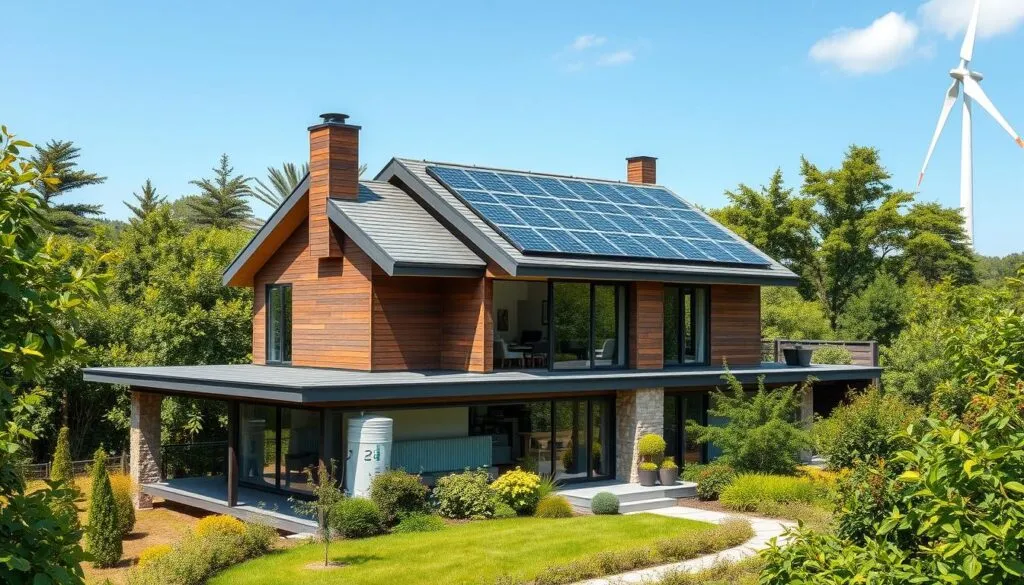
Homes are changing quickly. A few years ago, most households only thought about electrics when a socket stopped working, a light needed replacing or the fusebox tripped. Today, electrical systems are connected to almost every part of modern living, from home offices and smart devices to EV chargers, solar panels and battery storage.
For homeowners, this creates a bigger opportunity. Electrical work is no longer just about fixing faults. It can make a property safer, easier to use, cheaper to run and better prepared for the future.
Safety Comes First
Before thinking about smart upgrades or renewable energy, every home needs a safe electrical system. Older wiring, damaged sockets, overloaded circuits and outdated consumer units can all create risks if they are ignored.
Many homes have been altered over time, sometimes by different owners and tradespeople. Extra sockets, garden power, lighting changes and old DIY work can leave behind hidden issues. Even if everything appears to work, that does not always mean the installation is safe or suitable for modern demand.
An electrical inspection can help identify whether circuits, earthing, bonding and protective devices are in good condition. This is especially important before major upgrades, renovations or property sales.
Modern Consumer Units Offer Better Protection
The consumer unit is the control point for a home’s electrical system. Older fuseboxes may still function, but they may not provide the same level of protection as a modern unit.
A modern consumer unit can include devices designed to disconnect power quickly when faults occur. This helps reduce the risk of electric shock, overheating and electrical damage.
Upgrading a consumer unit can be particularly important when adding new circuits, installing an EV charger, carrying out a rewire or improving an older property. It also gives the electrician a chance to test the wider installation and highlight any issues that need attention.
Homes Now Need More Power Points
Modern households use far more electrical items than they used to. Bedrooms often need charging points, lamps, hair tools, laptops and smart devices. Living rooms may have TVs, routers, consoles, speakers and media units. Kitchens need power for multiple appliances, extractor fans and worktop equipment.
When a home does not have enough sockets, people often rely on extension leads and adapters. These can be useful temporarily, but they are not ideal as a permanent solution.
Adding sockets in the right places can make a home safer and easier to live in. It also reduces clutter and makes rooms work better for modern routines.
Smart Technology Needs Proper Planning
Smart home technology is now common in many properties. Homeowners may use smart thermostats, lighting controls, security cameras, video doorbells, outdoor lighting and energy monitoring systems.
These upgrades can improve comfort and convenience, but they still need safe power and sensible planning. Poorly placed sockets, weak outdoor wiring or overloaded circuits can limit how well smart technology works.
It is better to plan smart upgrades as part of the wider electrical system, especially during renovations or larger home improvements. This avoids messy retrofitting later.
Solar Panels Are Becoming a Practical Home Upgrade
More homeowners are considering solar panels as a way to reduce reliance on the grid and manage long-term energy costs. Solar can be especially useful for households that use electricity during the day or want to prepare for future energy demand.
However, solar installation should not be viewed separately from the rest of the home’s electrical setup. The roof, inverter, consumer unit, wiring, battery options and energy usage all need to be considered.
Homeowners looking at both safety upgrades and renewable energy may benefit from working with specialists in electrical and solar services so the system is planned as one joined-up solution.
Battery Storage Can Increase Self-Use
Solar panels generate power during daylight hours, but many households use more electricity in the morning and evening. Battery storage helps solve this timing issue by storing unused solar electricity for later.
This can reduce the amount of electricity imported from the grid and make solar panels more useful throughout the day. Batteries can also work with certain tariffs, allowing households to store cheaper electricity and use it during more expensive periods.
Battery storage is not right for every home, but it is worth considering for properties with high electricity use, solar panels or future EV charging plans.
EV Charging Is Changing Home Electrics
Electric vehicles are becoming more common, and many homeowners now want a dedicated charger at home. A proper EV charger is usually faster, safer and more convenient than relying on a standard plug.
Before installing one, the electrical system needs to be assessed. The electrician may need to check the consumer unit, supply capacity, earthing arrangement, cable route and location of the charger.
If solar panels or battery storage are also planned, EV charging should be considered as part of the wider energy setup. Smart charging can help homeowners make better use of cheaper or self-generated electricity.
Renovations Are the Best Time to Upgrade
Renovation work is one of the best opportunities to improve a home’s electrical system. When walls, floors or ceilings are already being opened, it is much easier to add sockets, move switches, upgrade wiring and prepare for future technology.
This is also the right time to think about lighting design, outdoor power, home office needs and energy efficiency. Leaving electrical decisions until after decorating or fitting new kitchens can lead to extra disruption and cost.
Good electrical planning early in a renovation can make the finished home more practical and future-ready.
Final Thoughts
Modern homes need electrical systems that can do more than power basic lights and sockets. They need to support safety, comfort, smart technology, renewable energy and changing household routines.
Consumer unit upgrades, extra sockets, inspections, solar panels, battery storage and EV chargers all play a role in making homes safer, smarter and more efficient. The best results come when these upgrades are planned together rather than treated as separate jobs.
A well-planned electrical system may be mostly hidden, but it affects how the home works every day and how ready it is for the future.