Printed marketing materials often struggle to capture attention, and a flat image may not always leave a lasting impression. A design that looks the same from every angle can be easy to overlook. Because visual impact matters, you may wonder how a printed piece can create depth and movement without using a screen.
Lenticular printing creates eye-catching visual effects using special lenses and carefully prepared images. As you view the print from different angles, different parts of the image appear, making the piece feel more interactive. The shifting image naturally draws attention and makes your message more memorable.
Unlike traditional printing, lenticular technology creates the illusion of movement or depth on a flat surface. That distinctive effect has made it a popular choice for marketing materials, promotional products, packaging, and retail displays.
This article explains how lenticular printing creates its unique visual effects and what makes it different from traditional printing
1. Special Lenses Make Images Appear to Move
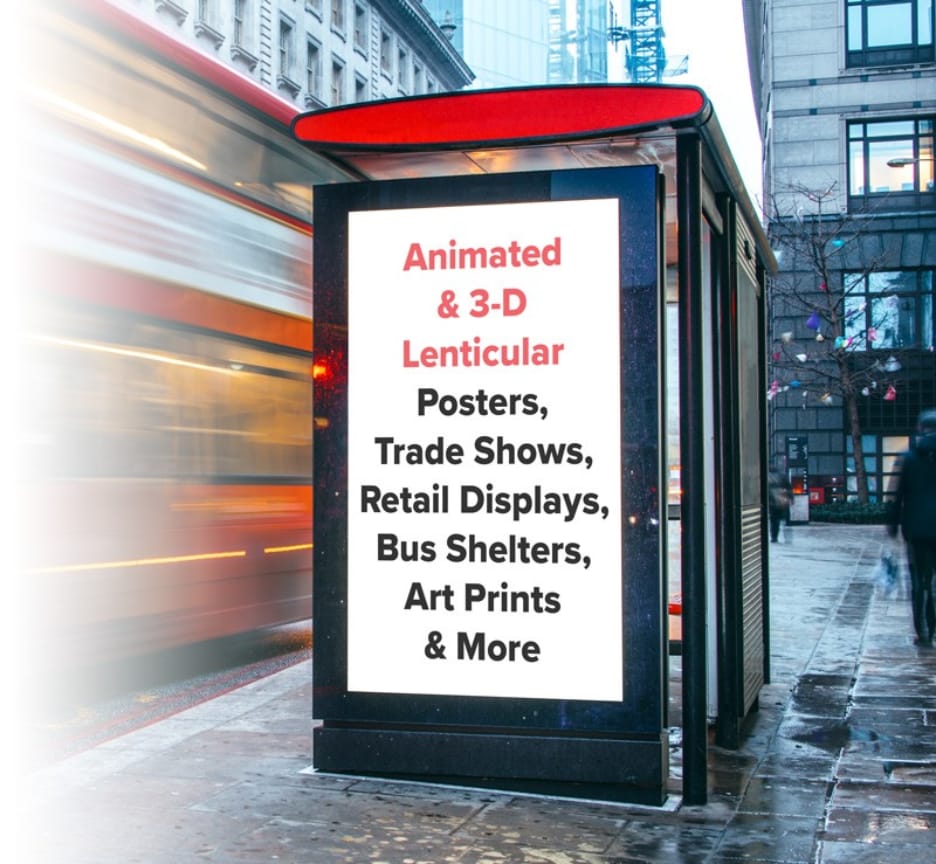
Lenticular printing begins with a specially designed plastic lens placed over multiple image layers. The lens directs your view to different parts of the artwork as your line of sight changes. Each small movement reveals a different part of the image, creating the illusion of motion on a flat surface.
Because the lens determines what image strips are shown, the printed work evolves without electronic elements. Instead of displaying every image at once, the lens reveals only selected portions of the artwork from each viewing angle.
When the print is moved, it shows various parts of the picture, creating a seamless flow of the image, which is more dynamic than a normal flat image. As a result, your design stands out without requiring screens, power, or moving parts.
2. Flip, Motion, and 3D Options Add Visual Depth and Movement
Various visual effects are dependent on the arrangement of the images beneath the lens. A popular one is the flip effect, in which the image is swapped between two images as you tilt the print. The fast switch is smooth and user-friendly, and it can be used to make some basic comparisons, before and after, or to show a message.
Motion is another popular effect, and it utilizes multiple image frames as opposed to two. These frames are displayed sequentially as the print is moved, creating a smooth feeling of motion. One frame leads to the other, hence the animation appears natural on the surface. Simple actions or gradual transitions can also be demonstrated in motion.
Introducing a 3D illusion is a third alternative, which creates it through layers of the design. These layers shift slightly as your perspective changes, making some elements appear closer while others seem farther away. This layered composition gives the illusion of depth to an absolutely flat surface.
3. Lenticular Effects Enhance Many Printed Products
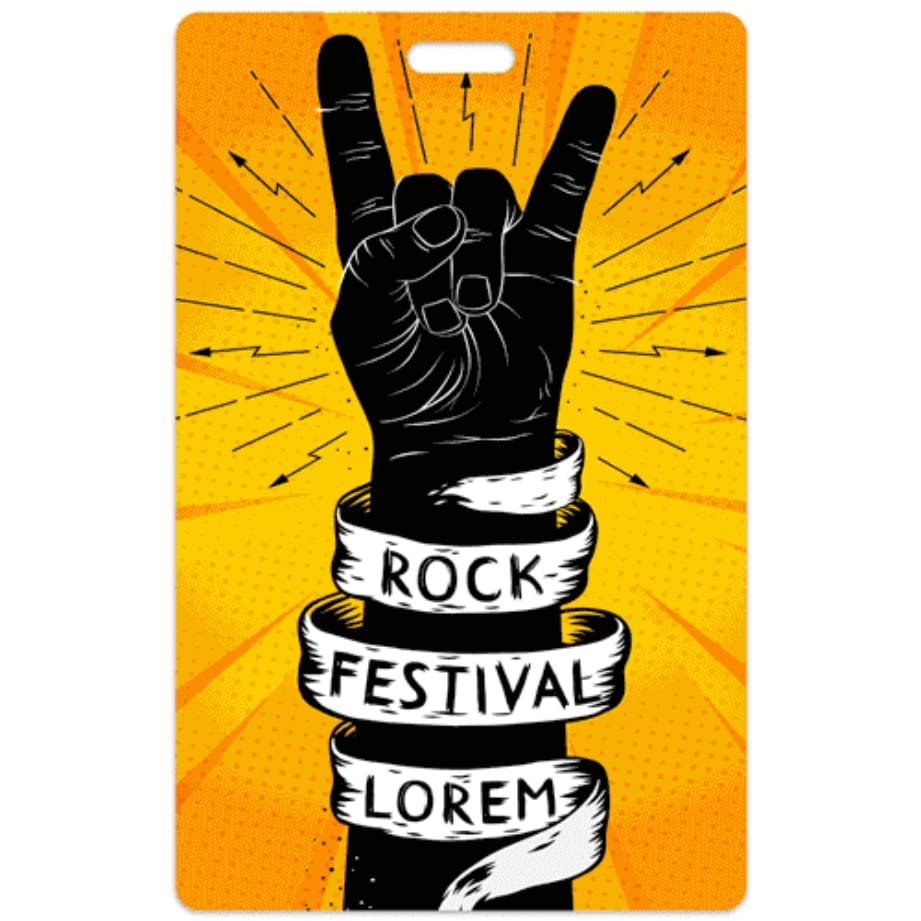
Lenticular printing is compatible with a wide range of printed media, so that a single design can be used in a wide range of applications. Smaller objects such as postcards, business cards, bookmarks, and event badges can be given extra action since they are easily noticed. This additional movement assists in making your message shine even in a small format.
Larger displays use the same technology to produce a stronger impact. Motion or depth provides additional exposure to posters, signage, packaging, folders, catalogs, and POP displays. Since the same printing technique can be sized without much difficulty, your project can be both small products used in advertising and huge displays with the same visual effect.
Additional products such as journals, luggage tags, magnets, rulers, stickers, coasters, and trading cards also support lenticular effects. Whether used for giveaways or large displays, the visual experience remains consistent and engaging.
4. Precise Image Alignment Produces Sharp, Realistic Results
Strong visuals depend on careful alignment between the images and the lens. Each image must align precisely with the lens pattern so every position reveals the correct part of the design. This process, known as image interlacing, combines multiple images into one layered file that works with the lens.
During production, every image layer must be positioned accurately to match the lens pattern. Even minor alignment errors can interrupt smooth transitions or reduce the sense of depth, making precision essential throughout the printing process. Accurate alignment keeps transitions smooth across the entire print.
Careful production helps preserve smooth transitions and realistic depth throughout the finished print. When alignment stays consistent, the illusion appears clean and natural rather than distorted.
5. Quality Materials Help Every Lenticular Print Last
Durable materials play an important role in keeping your print looking sharp over time. High-quality plastic lenses protect the surface while maintaining clear image visibility. This protective layer helps prevent wear while keeping the lenticular print strong and stable.
UV-resistant pigment inks also support long-lasting colors. These inks resist fading, allowing your design to stay bright even after extended exposure to light.
When paired with precise printing, durable materials help preserve image clarity in prints that remain on display for long periods. Together, strong materials and accurate production maintain both image quality and the lenticular effect.
Bottom Line
Lenticular printing transforms ordinary printed pieces into interactive visuals by combining precision printing with specialized lenses.
Viewing the print from different angles allows the lens to reveal different parts of the design, producing motion, image changes, or realistic depth without using electronics. This approach works across many products, from small promotional items to large displays, while keeping a consistent visual style.
When accurate production and quality materials come together, the finished print remains sharp, durable, and visually impressive over time.