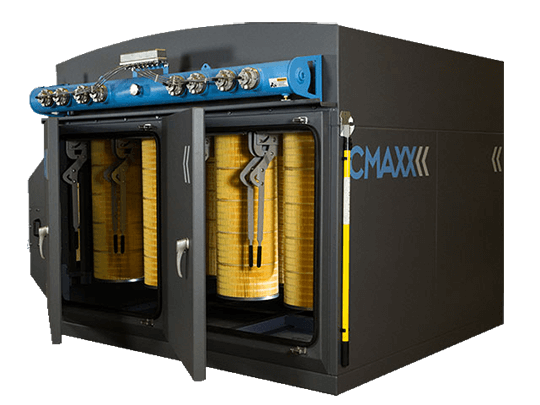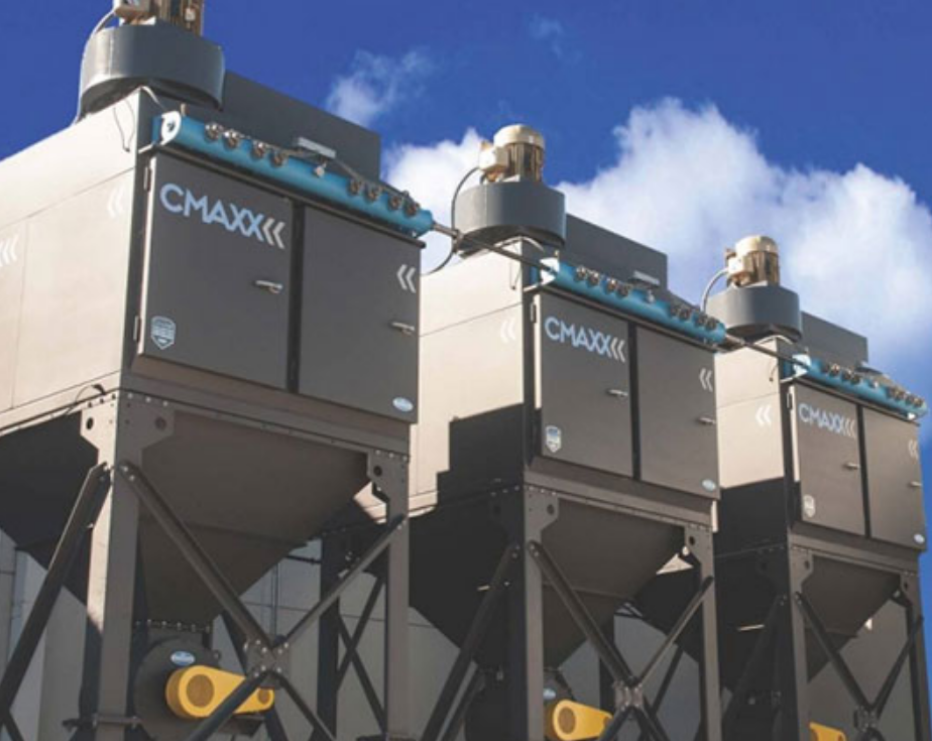
The accumulation of dust is quicker than most facilities imagine. It settles on machinery, flies away in the air, and gradually joins the day-to-day life. It is inhaled by workers. Equipment wears down under it. And in facilities that handle wood, metal, or other fine particulates, that dust can even become a fire hazard.
Airborne dust, when left uncontrolled, not only impacts air quality. It impacts productivity, safety, and long-term equipment expenditure.
This is where good dust collection comes in. A properly developed system collects particulates before dispersal, so that the workspace is cleaner and the occupants of it are safer.
To realize how this process works, one can see precisely why this process is so important to the work of industries. The following are five ways in which it makes a real difference.
1. Capture Airborne Dust at the Source
Cyclone dust collectors operate based on a simple principle: centrifugal force. Dust particles carried by the air pass through the collector and rotate in a regulated vortex. When it spins, heavier particles are pushed to the outer wall and fall into a collection bin at the bottom, with cleaner air leaking out at the top.
This process happens continuously and without the need for filters in the initial separation stage. Consequently, dust is removed from the workplace even before it can accumulate on floors, equipment, or other surfaces in the work area.
This source capture is particularly effective for facilities that produce large amounts of coarse dust like wood chips or metal shavings. It decreases the total load on downstream filtration and maintains the air in the immediate workspace significantly cleaner.
2. Reduce Fire and Explosion Hazards
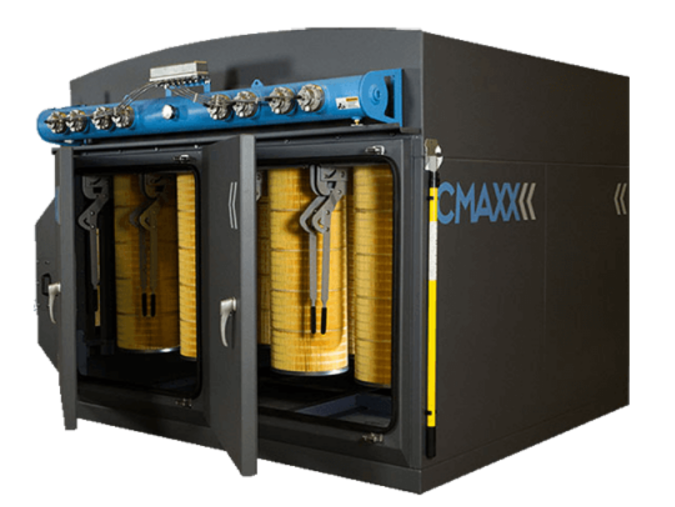
Fine dust particles are not just a nuisance. In the right concentration, many types of industrial dust are combustible. Wood dust, metal dust, and some plastic or food-processing byproducts may ignite when conditions are inappropriate, and accumulation of airborne particulates increases the risk dramatically.
Cyclone dust collectors lessen this risk by eliminating large amounts of dust in the air prior to its build-up. Since the design does not need significant particulates in the design, the system does not leave much dust suspended in the workspace or on surfaces where it may be hazardous.
This is especially applicable to facilities that have to comply with NFPA and OSHA regulations regarding combustible dust. Regular dust removal aids compliance and reduces the risk of a shop floor incident that is costly and hazardous.
3. Protect Worker Health and Air Quality
In addition to fire hazard, the dust in the air directly affects individuals who have to work in the vicinity. Chronic exposure to fine particulates may cause respiratory irritation and chronic health complications, particularly in areas where dust production is a regular event.
Cyclone dust collectors are used to overcome this by ensuring that there is a continuous pulling of contaminated air out of the workplace. As the process is efficient with larger particles, it significantly decreases the quantity of dust in circulation at the breathing height.
Cleaner air also translates into a more comfortable working environment. The employees do not always face haze or accumulation, and this is in favor of good working conditions and could reduce absenteeism due to air quality concerns in the long term.
4. Minimize Equipment Wear and Downtime
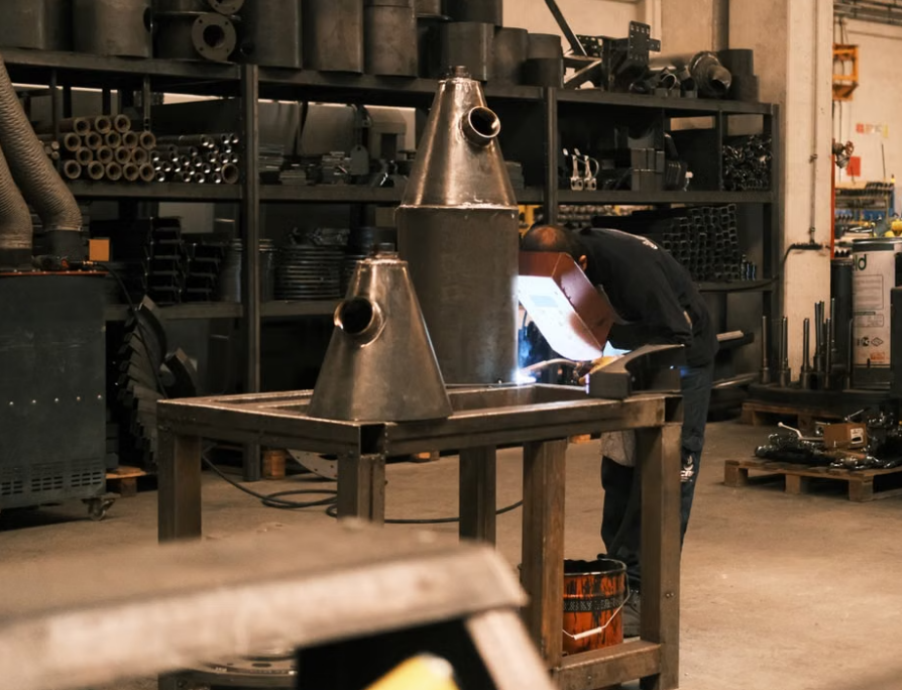
Dust does not just affect people. It affects machinery too. Fine particulates settle into moving parts. They clog components. Over time, they accelerate wear on motors, bearings, and other sensitive equipment.
Cyclone dust collectors help prevent this. They remove a large percentage of particulates from the air before it reaches downstream systems. This reduces the strain placed on other equipment in the facility.
Secondary filtration systems benefit the most. When they are not overloaded with heavy debris, they last longer. They also need less frequent maintenance. That means fewer parts to replace and less time spent on upkeep.
Over time, this adds up to fewer unexpected breakdowns. Downtime becomes less frequent too. For facilities running continuous production schedules, this reliability matters. It directly affects output. It also affects operating costs in the long run.
5. Ensure Long-Term Performance Through Proper Design
A cyclone dust collector only performs as well as its design allows. Sizing matters. Airflow calculations matter. Placement matters too. Each one affects how well the system captures dust.
A collector that is too small will struggle to keep up. One that is placed poorly may not capture particulates the way it should. These small design choices add up fast.
This is why the process, dust type, and facility layout need careful evaluation before installation. Airflow requirements are not the same across industries. Even a small miscalculation can lower performance. It can also mean more maintenance later on.
Routine inspection matters just as much as design. It helps catch wear early. It also catches buildup and component issues before they grow. Addressing small problems early keeps them from turning into expensive repairs down the line.
Conclusion
Cyclone dust collectors play a practical role in keeping industrial workspaces cleaner and safer. From capturing dust at the source to reducing fire hazards, protecting worker health, and minimizing equipment wear, the benefits extend across nearly every part of daily operations.
Facilities that prioritize proper system design and regular maintenance tend to see the most consistent results. Dust management is not a one-time task. It requires ongoing attention to keep systems performing as intended. With the right approach, industrial facilities can maintain cleaner air, safer conditions, and more reliable equipment for the long run.