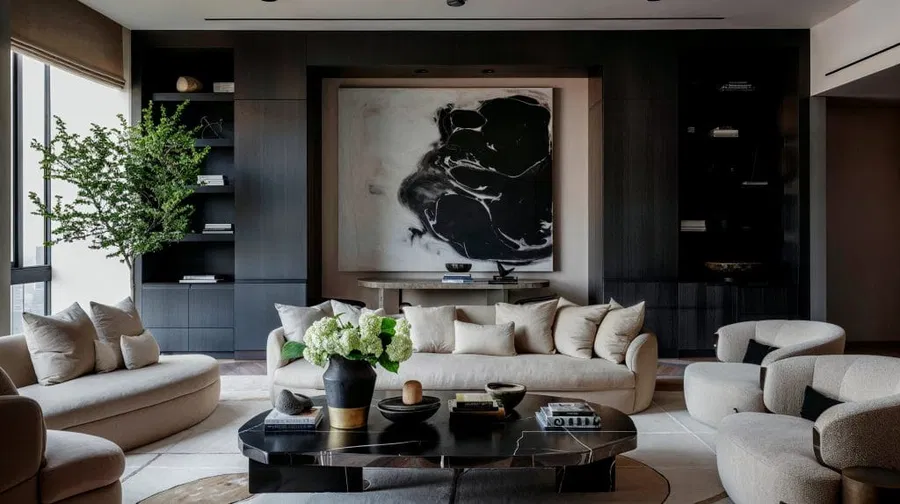
A framed jersey over the couch used to be just decoration. Today, many home builders treat it as a real part of the house plan. About twelve percent of new luxury homes built in 2024 had a room set aside just for sports items or hobby collections, based on national home-building data. That number keeps growing as more collectors move their items out of boxes and storage units and into rooms built just to hold them.
Why Case Makers Started Building for Homes
Keeping a collection in a storage unit made sense when the collection was small, but most collections do not stay small for long. Wealthy buyers now treat a display room the same way earlier homeowners treated a home office or a wine cellar, as a planned part of the house, not an extra. Demand like this has pushed specialty case makers who once sold mainly to arenas, stores, and music venues to build for homes as well.
Pennzoni Display, a company that has made cases and drum shields for over twenty years, now offers a full line of custom collectibles display cases built from real wood and acrylic instead of the particleboard found in standard furniture, a detail that matters once a case has to hold real weight for years without warping or coming loose.
What Makes a Display Room Different
A good display room starts with glass that blocks UV light, since sunlight fades jerseys, signatures, and old tickets faster than most people think. Keeping the air at a steady temperature matters too, since a damp garage or basement can warp wood cases and loosen glue on signed items in just a few years.
Lighting plays a part as well. Standard bulbs give off heat that can fade colors over time, so many rooms now use low-heat LED fixtures built for display cases instead of regular ceiling lights. Insurance companies have taken notice too, often asking for photos and a listed value of the collection before writing a policy that covers it properly.
Why One Room Beats Spreading It Around
Some owners try to spread a collection through several rooms at first, but most collectors settle on one main room before long. A single room is easier to protect, easier to light well, and easier to show off to guests. It also keeps the rest of the house free for everyday living instead of turning every hallway into a small museum.
Architects say this single-room approach also simplifies budgeting, since one well-built room is often cheaper than retrofitting several smaller spaces throughout a home.
The Collecting Market Keeps Growing Fast
Collecting is not a small hobby anymore. Experts believe the world market for sports memorabilia and collectibles will reach about thirty-two billion dollars by 2027. That figure goes past jerseys and cards, since it includes display cases, frames, and lighting too. Card shows, auction houses, and online marketplaces have also put more items into the hands of everyday collectors.
The buyer asking for a dedicated room today is often a regular collector, not a major investor. Anyone planning a similar room can look at other home design features for serious collectors for more ideas.
One More Room Buyers Now Expect
Builders who treat a display room as a real part of the plan, with its own temperature control, lighting, and strong walls, often see it change a buyer’s decision the same way a wine cellar or home theater does. Pennzoni Display’s cases and drum shields come up often in these plans because buyers now want something that lasts, not something thrown together.
Real estate agents are starting to mention a finished display room directly in listing descriptions, the same way they would note a home theater or a wine room. A spare room with a few nails in the wall is becoming rare in homes built for serious collectors.