Nine luxury homeowners in ten can name the upgrade they regret. Usually it is the one they never use. The wine room that holds six bottles. The plunge pool is heated twice a year. The glass staircase that costs more than a car and gets an approving nod from maybe one buyer in twenty.
The upgrades that hold value look boring on a punch list. They show up in utility bills, inspection reports, and the small daily moments nobody photographs for a listing. Buyers of high-end homes don’t pay for spectacle. They pay for systems they can trust.
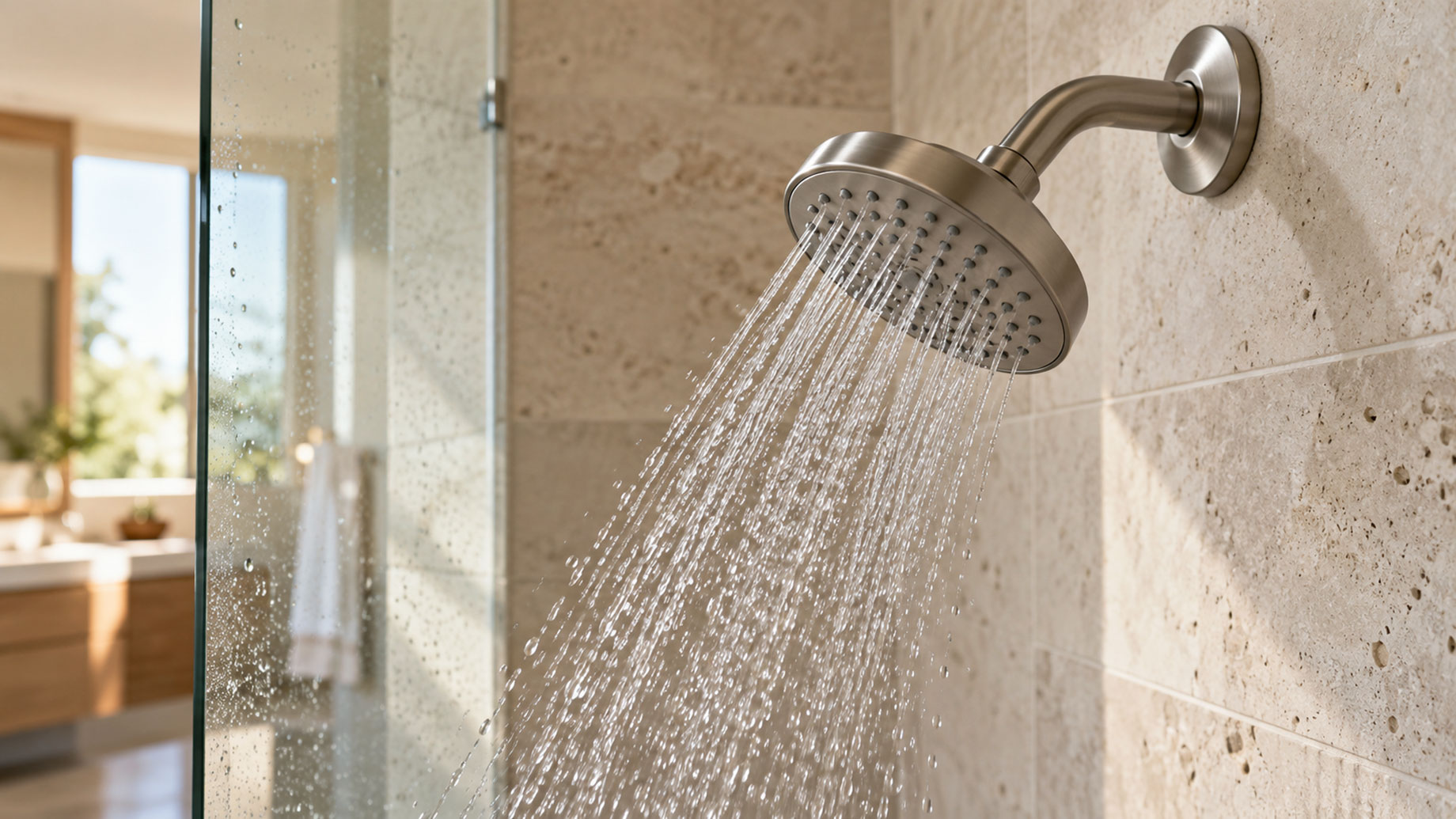
Here’s what most sellers miss. Capacity and infrastructure outperform novelty almost every time. That is why something as unglamorous as tankless water heater installation denver can move a luxury sale faster than a redesigned foyer, and why the same logic applies whether your house sits in a Denver suburb or on a coastal bluff.
The distinction becomes clearer when you consider how an upgrade supports daily life. Large, flashy projects tie up capital and tend to get value engineered down when a buyer’s budget tightens. Uninterrupted hot water does the opposite. It removes a quiet irritation, and quiet irritations are what buyers remember after the tour ends.
The Rule of Multiplied Mornings
Here’s a framework you can use when deciding where to spend your renovation budget. Score every upgrade on how many mornings a year your household touches it. Then multiply that number by the frustration it removes.
A sculptural tub used twice a year scores near zero no matter how good it looks. Hot water, steady water pressure, and clean air score in the hundreds because every shower, every load of laundry, and every hand wash runs through them. Frequency and irritation are the only two variables that matter.
Luxury buyers aren’t comparing your home to a starter house. They’re comparing it to the one they already own. If their current place delivers endless hot water and yours runs cold halfway through a shower, they’ve quietly downgraded you, and no staging budget can undo that.
Which Upgrades Earn Their Keep?
You don’t need a hundred thousand dollars to lift resale value. You need a short list of improvements that carry their weight in an inspection report and a utility statement. These five do.
- Whole-home water capacity. On-demand water heating paired with upgraded supply lines handles simultaneous showers, laundry, and a dishwasher without a pressure drop.
- Electrical headroom. A modern panel with room for expansion is one of the first things a buyer’s electrician flags. An EV charger up front reads as future ready, not indulgent.
- Air quality and filtration. Fewer allergens, less dust, less humidity in summer. It’s invisible, and buyers feel it the moment they walk in.
- Low maintenance exteriors. Anything that cuts annual upkeep appeals directly to the second-home owner who isn’t around to supervise it.
- Balanced insulation and ventilation. A house that holds temperature evenly tells a buyer the envelope is sound, and an HVAC contractor will confirm it during inspection.
Notice what’s missing. Anything tied to a personal taste, a personal hobby, or an amenity that only works four months a year belongs in a different budget line, because you’re buying it for yourself and not for the next owner.
Two Mistakes That Sink a Luxury Renovation
The first is chasing trends with a long construction timeline. Homes featured on platforms like The Pinnacle List stay impressive because they age well. Design trends stamped with a year don’t age at all. They expire on schedule, and the resale market prices that in.
The second mistake is doing the good work without the paperwork. A tankless system, a new panel, or a fresh filtration setup can only earn value at resale if you can prove when it was installed and who certified it. Almost nobody thinks about this until an inspection report lands three weeks before closing, and by then the leverage is gone.
Keep a single folder. Receipts, model numbers, permit records, warranty cards, and the names of the tradespeople who did the work. It takes twenty minutes to assemble and it does more for your negotiating position than a light staging refresh ever will.
What Actually Sells a High-End Home
Buyers at this level have a short list of deal breakers, and they’re all invisible. Water pressure in the primary shower. A panel that passes inspection without a punch list. A heating and cooling system that doesn’t announce itself at night. Every one of these is a system, not a showpiece.
The U.S. Department of Energy maintains consumer guidance on how water heating and energy systems affect a home’s operating costs, and that’s the language sophisticated buyers already speak. They’ve run these numbers on other properties before they walked into yours.
Energy upgrades can also qualify for federal tax incentives, and the rules change from year to year. Verify current eligibility directly with the Internal Revenue Service and a licensed professional in your state before you build a payback estimate into your plan. Never take a spec sheet’s word for it.
Your Pre-Listing Systems Checklist
Run this about six months before you list. Earlier is better, because contractors get booked out and rushed work shows.
- Test hot water recovery at the farthest fixture in the house while a shower runs upstairs. If the temperature dips, you’ve found your first project.
- Have an electrician review panel capacity against everything you’ve added since you moved in, including chargers and outdoor lighting.
- Replace every filter in the house, then note the date so you can show a maintenance record.
- Collect permits and receipts for any work done in the last ten years and store them in one folder.
- Get a pre-listing inspection on your own dime so you’re fixing problems on your schedule, not a buyer’s.
- Ask your agent which systems have come up in showings, then fix those first.
If you’re in a market with hard water or big temperature swings, prioritize the water system before anything cosmetic. Cold showers damage a showing faster than dated tile ever will.
Where to Spend Your Renovation Budget
With a hundred thousand dollars to spend on a luxury listing, you could put most of it underground and behind walls: water capacity, electrical headroom, air quality, and envelope performance. Then you could spend the remainder on paint, lighting, and landscaping, because those photograph well and photographing well still matters.
Skip the amenities you’d have to explain. If a buyer needs a paragraph of context to appreciate something, they’re going to mentally discount it, and they’ll discount it hard. Features that need a sales pitch rarely survive a negotiation.
The homeowner who understands the difference between what impresses and what performs walks away with more money and fewer regrets. So which upgrade in your house gets touched every single morning, and why isn’t that the one you’ve been planning to fix?
