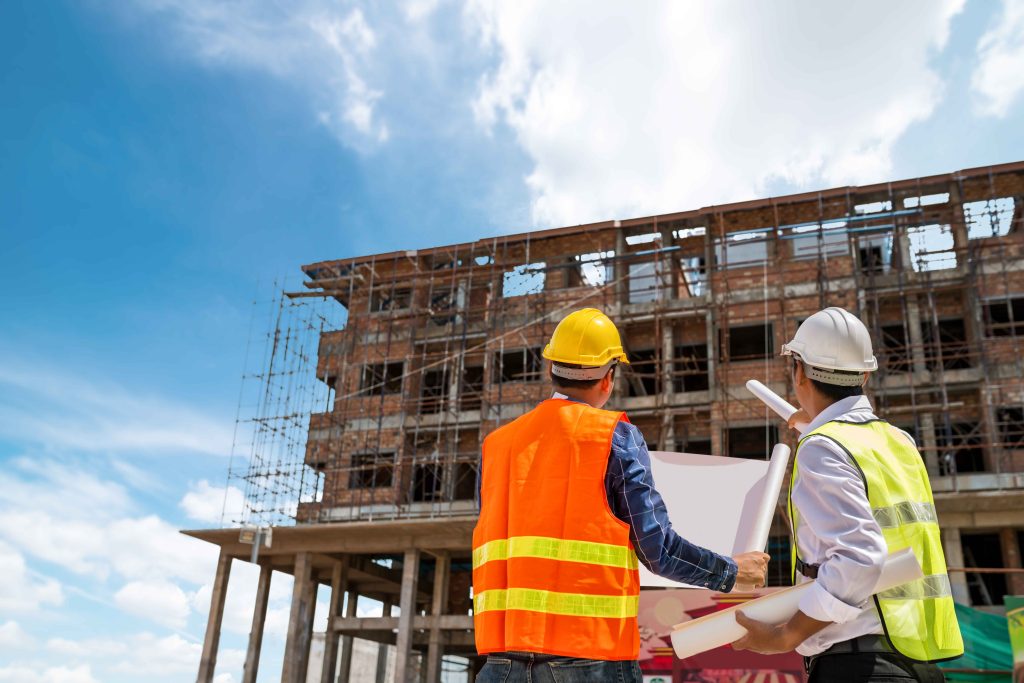
On a quiet morning in Tribeca, before the cafés fill and delivery trucks claim the curbs, the first signs of transformation often begin behind construction fencing. Steel beams rise, cranes hum overhead, and workers move with practiced choreography. These are the early movements in a long symphony of development and at the center stands a general contractor, the architect of order in a city built on complexity.
In New York City, where luxury residences continue to redefine the skyline, the role of the general contractor has shifted from a traditional builder to something far more intricate. They are now interpreters of ambition, translating the visions of architects, developers, and wealthy clients into spaces that promise not just shelter, but prestige.
A Changing Definition of Luxury
For decades, luxury in Manhattan meant high ceilings, marble kitchens, and doormen standing beneath gold-plated awnings. Today, it is something quieter,more bespoke. The affluent buyer expects not only craftsmanship but a home shaped around wellness, sustainability, and privacy.
General contractors increasingly serve as guardians of these expectations. Many now oversee everything from the sourcing of rare stone to the installation of air-filtration systems designed to mirror those used in medical research labs. Their daily responsibilities include managing artisans, engineers, environmental consultants, and digital technology teams ,a network of specialists who reflect the city’s new definition of comfort.
Navigating a City Built on Constraints
Few cities pose challenges as formidable as New York. Working here means building upward on narrow lots, preserving historic facades while modernizing interiors, and coordinating deliveries through narrow streets where minutes matter.
To do this, general contractors turn to tools that would have been inconceivable a decade ago: digital twins that forecast structural stress, AI-assisted scheduling to avoid costly delays, and drones that inspect rooftops in minutes instead of days. These technologies allow them to navigate the city’s contradictions,its aging infrastructure and soaring ambitions with quiet precision.
Infrastructure
Luxury real estate cannot thrive without the world around it. Roads, utilities, and public spaces all shape how a neighborhood evolves. A road construction company New York City, often working far from the glamour of high-rise terraces, becomes an unexpected but essential partner in this transformation.
New pavement improves accessibility to new residential enclaves. Upgraded drainage systems protect basements and parking garages from extreme weather. Expanded traffic routes ease congestion around job sites. These upgrades may not grace glossy brochures, but they influence property values and buyer confidence in ways that are both practical and profound.
Sustainability as a Moral and Market Imperative
Climate concerns have pushed the luxury market toward more responsible building practices. Developers now look to renewable materials, low-emission concrete, and green roofs that soften the steel geometry of the city.
Here again, the general contractor plays a central role. Their decisions which supplier to trust, which processes to streamline, which technologies to adopt determine whether a building meets not only regulatory requirements but the expectations of buyers who equate sustainability with sophistication.
The Future: Homes That Think, Adapt, and Endure
The future of luxury living seems less about spectacle and more about intelligence. Homes will respond to their inhabitants, adjusting light, temperature, and security with near-invisible automation. Materials will be engineered for longevity, not trend. Outdoor spaces once an afterthought will continue to become private sanctuaries.
General contractor in New York City like CooperBuild find themselves at the intersection of these shifts. They are tasked with creating homes that are resilient, intuitive, and quietly opulent, reflecting a city that constantly reinvents itself.
A Quiet Force Behind the Skyline
In the end, the future of luxury real estate in New York will not be defined solely by the tallest tower or the most expensive penthouse. It will be shaped by the steady hands guiding each project from blueprint to completion the general contractors whose work is visible only when the scaffolding comes down, revealing not just a new building but a new chapter in the city’s ongoing story.