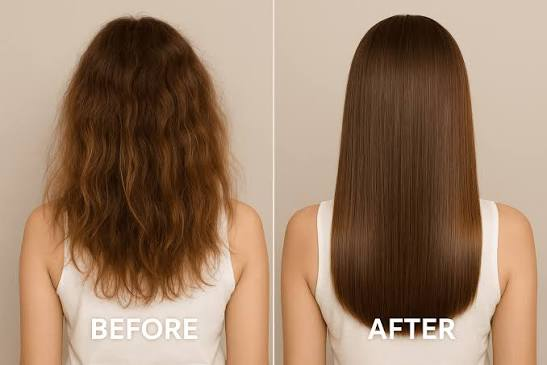
Frizzy hair, dryness, breakage, and a lack of shine are common concerns for many people. Toronto’s changing weather can make these problems harder to manage. Cold winters, dry indoor air, humid summers, and frequent heat styling can all affect how your hair looks and feels.
Two popular salon options for improving hair texture are hair botox and protein treatments. Both can help improve the appearance of your hair, but they work in different ways and are not suitable for every hair type.
So, which one should you choose? The answer depends on your hair’s condition, your styling goals, and the results you want.
In this guide, we will explain the main differences between hair botox and protein treatments, their benefits, and how to decide which option is best for your hair.
What Is Hair Botox?
Hair botox is a deep conditioning treatment designed to improve the look and feel of dry, frizzy, or damaged hair. Despite its name, it does not contain the injectable substance used in cosmetic botox procedures.
Instead, these treatments often use conditioning ingredients such as amino acids, proteins, oils, and other moisturizing agents. The exact formula depends on the product used by the salon.
Hair botox mainly focuses on making hair feel softer, smoother, and easier to manage.
Benefits of Hair Botox
A suitable hair botox treatment may help:
- Reduce the appearance of frizz
- Improve softness and shine
- Make hair easier to brush and style
- Improve the appearance of dry, rough ends
- Reduce tangling and improve manageability
It can be a useful option for people who want smoother-looking hair without making straightening their main goal.
However, results vary depending on the formula, hair condition, and aftercare routine. Hair botox does not permanently repair split ends or reverse all types of hair damage.
Who Should Consider Hair Botox?
Hair botox may suit people with dry, dull, frizzy, or difficult-to-manage hair. It can also be worth considering if your hair feels rough after frequent blow-drying, colouring, or other styling practices.
If your main goal is to improve softness and shine, a conditioning treatment may be a better starting point than a strong protein treatment.
What Is a Protein Treatment?
Hair is made mainly of a protein called keratin. Chemical services, excessive heat, and rough handling can weaken the hair structure and make strands more likely to break.
Protein treatments are designed to help improve the feel and strength of damaged hair. Depending on the formula, they may contain hydrolyzed keratin, wheat protein, silk protein, or other protein-based ingredients.
These ingredients can form a temporary coating on the hair or help improve its surface condition. They may reduce the appearance of damage and make hair feel stronger.
Benefits of Protein Treatments
A suitable protein treatment may help:
- Improve the feel of weak or damaged strands
- Reduce breakage caused by handling
- Make hair feel more resilient
- Improve the appearance of rough or porous hair
- Support hair that has been exposed to chemical processing
The results depend on the product and the level of damage. Protein treatments do not permanently rebuild hair that has already broken or restore every part of its original structure.
Who Should Consider a Protein Treatment?
A protein treatment may be useful for hair that feels weak, stretches excessively when wet, or breaks easily. It may also benefit some people with chemically treated or frequently heat-styled hair.
However, not every type of damage is caused by a lack of protein. Excessive use of protein products can leave some hair feeling stiff, rough, or less flexible.
For this reason, it is important to choose a treatment based on your hair’s actual needs rather than using protein products simply because your hair feels damaged.
Hair Botox vs Protein Treatment: What Is the Difference?
Although both treatments may improve the appearance of damaged hair, their main purposes are different.
| Feature | Hair Botox | Protein Treatment |
| Main purpose | Improve softness, smoothness, and manageability | Improve the feel and resilience of damaged hair |
| Best suited for | Dry, frizzy, rough, or dull hair | Weak, brittle, or chemically damaged hair |
| Main focus | Conditioning and smoothing | Supporting the hair’s surface and structure |
| Effect on frizz | May reduce visible frizz | May help, depending on the formula |
| Effect on strength | Depends on the ingredients | Often designed to improve the feel of strength |
| Main concern | Results vary by product | Overuse may leave hair feeling stiff |
One important point is that salon products do not all use the same ingredients. Some hair botox formulas contain proteins, while some protein treatments also include conditioning ingredients.
This means the names alone do not tell you exactly how a treatment will work. Always ask your stylist about the specific formula and what it is designed to achieve.
How Toronto’s Weather Can Affect Your Choice
Local weather can influence your hair care routine. Toronto experiences cold winters, dry indoor heating, humid summer days, and changing conditions throughout the year.
Understanding how your hair responds to these conditions can help you make a better treatment choice.
During Cold Winters
Cold outdoor air and indoor heating can contribute to dryness and static. Hair may feel rough, become tangled, or lose its natural shine.
If your main concern is dryness and frizz, a conditioning treatment such as hair botox may be worth discussing with your stylist.
You can also help protect your hair by using a suitable conditioner, limiting unnecessary heat styling, and avoiding very hot water when washing.
During Humid Summers
Humidity can cause hair to absorb moisture from the air, making some hair types swell and become frizzy.
A smoothing treatment may help make hair easier to manage, but the results depend on the formula and your natural hair texture.
If you want a treatment that reduces frizz while keeping your natural curls, explain this clearly before your appointment. Some smoothing services can change the way curls behave.
For Colour-Treated Hair
Colouring and bleaching can make hair more porous and fragile. The right treatment depends on whether the main issue is dryness, breakage, or both.
A conditioning treatment may help improve softness, while a carefully selected protein treatment may help hair feel more resilient.
If your hair has been heavily bleached or chemically processed, ask a professional to assess its condition before choosing a service.
How to Choose the Right Treatment for Your Hair
The best treatment is the one that matches your hair’s needs and your expectations.
Before booking a salon appointment, consider these common situations.
Choose Hair Botox If Your Main Concern Is Frizz
If your hair feels dry, looks dull, or becomes difficult to style, a conditioning-focused treatment may be a suitable option.
Ask whether the product is designed to preserve your natural texture or make your hair straighter. These are different goals, and the treatment formula matters.
Choose a Protein Treatment If Your Hair Breaks Easily
If your hair feels weak after bleaching, colouring, or frequent heat styling, a protein treatment may help improve its feel and reduce some forms of breakage.
However, excessive breakage can have several causes. A stylist should check your hair’s condition before recommending a strong treatment.
Ask for Professional Advice If You Are Unsure
Sometimes hair needs both moisture and protein, but the right balance depends on its condition.
A professional consultation can help identify whether your hair needs more conditioning, a protein-based service, less heat exposure, or a different hair care routine.
If you are exploring salon treatments, you can also ask a stylist at Eclat Beauty about suitable options for your hair type, current condition, and styling goals.
Before choosing a service, ask about the ingredients, expected results, maintenance requirements, and any precautions for colour-treated or sensitive hair.
How to Maintain Your Results After a Treatment
Your home care routine plays an important role in how long the results last.
Regardless of which treatment you choose, a few simple habits can help keep your hair looking and feeling healthier.
- Use a shampoo and conditioner suited to your hair type.
- Avoid washing your hair more often than necessary.
- Apply heat protectant before using hot styling tools.
- Keep blow-dryer and straightener temperatures as low as practical.
- Use a wide-tooth comb to reduce pulling and tangling.
- Trim split ends when needed.
- Follow the salon’s specific aftercare instructions.
Ask your stylist how often the treatment can safely be repeated. There is no single schedule that works for everyone, and repeating treatments too frequently may not improve results.
If you experience scalp irritation, unusual hair breakage, or increased dryness after a treatment, stop using the product and seek professional advice.
Conclusion
Hair botox and protein treatments can both help improve the appearance and manageability of damaged hair, but they serve different purposes.
Hair botox is generally focused on conditioning, softness, and smoother-looking hair. Protein treatments are designed to improve the feel and resilience of weak or damaged strands.
The right choice depends on your hair’s condition, the ingredients in the product, and the results you want. Rather than choosing a treatment based only on its popularity, speak with a qualified stylist who can assess your hair and explain the available options.
With the right treatment and a consistent home care routine, you can manage frizz, improve your hair’s appearance, and make informed choices about long-term hair care.