On a Gold Coast canal estate, the view is the asset. Buyers pay for water glinting past the pool, boats at the pontoon and the Surfers Paradise skyline after dark. Then the law asks for a barrier around that pool, and the design question begins.
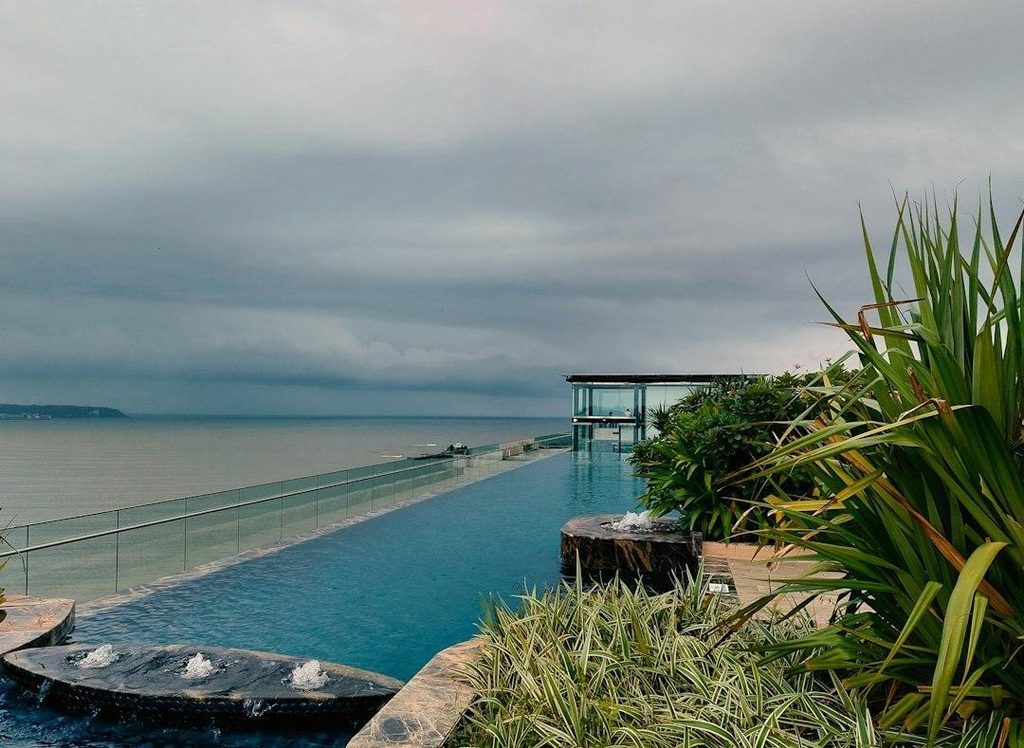
Photo by Aayush Shah on Unsplash
Alt text: A large swimming pool with a view of the ocean
Queensland treats residential pools seriously, and the barrier has to work as hard as it looks. For owners on Sovereign Islands, Hope Island or Mermaid Waters, Glass Pool Fencing Gold Coast designs frameless barriers that pass the state standard without boxing in the outlook. The result is a terrace that reads as open space yet still keeps small children out.
Why Do Gold Coast Waterfront Buyers Notice the Pool Fence First?
A pool fence sits in the first photo of almost every listing. It frames the hero shot from the living room to the water. A clumsy fence with heavy posts cuts that image into strips.
Gold Coast homes also live outdoors for most of the year. The pool terrace becomes a second living room, used for long lunches and evening drinks. Any barrier there gets seen daily, not only on inspection day.
Many prestige buyers on the coast are also families. They want the view, and they want proof that the pool is safe. A well-made glass fence answers both questions at once.
Agents on the coast say buyers walking a pool terrace tend to check three things:
- Whether the fence blocks the water view from the main living area.
- Whether the gate swings shut and clicks without a push.
- Whether a current pool safety certificate is on file.
What Does Queensland Law Require Around a Residential Pool?
The core rules come from the Building Act 1975, which sets the pool safety framework, and the pool safety standard that sits beneath it. The practical points owners meet most often are simple to list:
- The barrier must stand at least 1200 mm high.
- Gaps under the fence and between panels cannot exceed 100 mm.
- A clear non-climbable zone of 900 mm must surround the outside of the fence.
- Gates must open outward, away from the pool.
- Gates must self-close and self-latch from any open position.
- Pools must be listed on the state pool safety register.
A regulated pool is a pool, spa or hot tub that can hold more than 300 mm of water, so plunge pools count too. These rules apply to luxury homes and modest ones alike. The difference on a prestige site is that every requirement must also look deliberate.
How Does Frameless Glass Protect a Canal or Ocean Outlook?
Frameless glass uses toughened safety panels held by low spigots fixed into the deck. Nothing sits between the eye and the water but clear glass. From a lounge chair, the fence almost disappears.
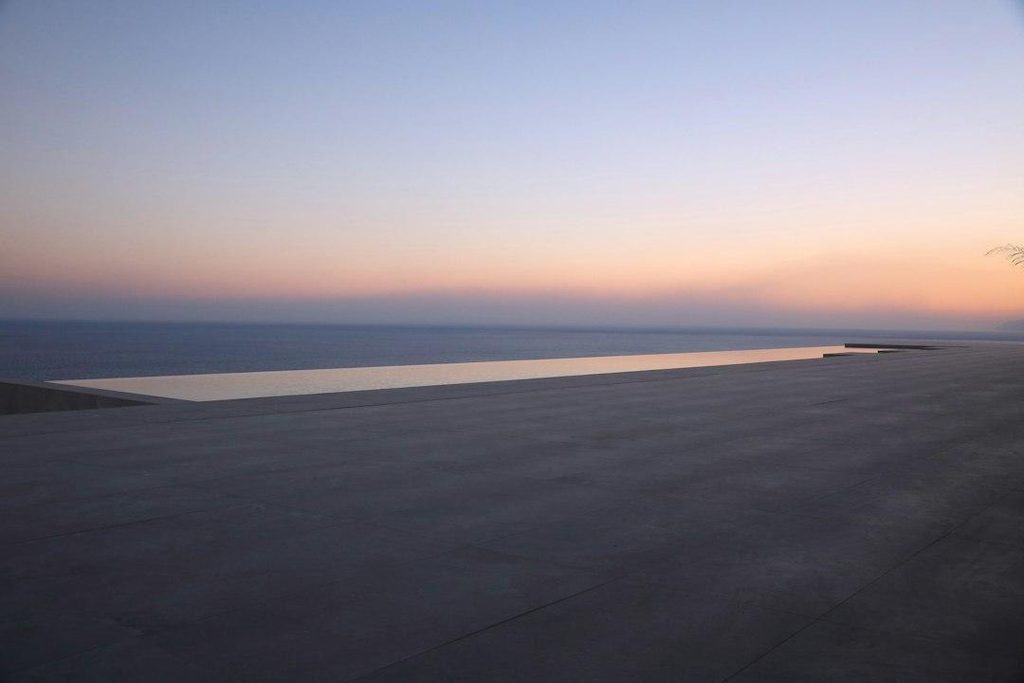
Alt text: Infinity pool meets ocean under a colorful sunset sky
That clarity matters on blocks where the outlook faces the Broadwater, a canal or the ocean at Burleigh Heads. It also helps owners supervise. A parent inside the kitchen can see the whole pool through the panels.
Design teams often pair glass with what sets a luxury custom pool apart: wet edges, sun shelves and natural stone. A heavy fence would undo that work. Glass lets the pool keep its role as the centerpiece.
Which Design Details Separate a Premium Installation?
Two glass fences can pass the same inspection and still feel very different. The gap between them is in the details:
- Spigot finish. Marine-grade stainless steel or a powder-coated finish resists the salt air that drifts off the coast.
- Panel layout. Even panel widths and aligned joints look calm from the house.
- Gate placement. A gate placed on the natural walking route stops guests propping it open.
- Hinge and latch quality. Soft-closing hardware avoids slamming while still latching every time.
- Glass edges. Polished edges catch the light and feel finished to the touch.
Planning also extends past the fence line. The non-climbable zone is the strip of clear space a child cannot use as a foothold. The 900 mm zone outside the barrier must stay free of planters, built-in seats and outdoor furniture that a child could climb. Garden designers now plan that strip from day one rather than clearing it later.
Glass also suits the wider push toward child safety in high-end residential design. It protects young children without making the home feel locked down.
What Happens to the Fence When an Estate Changes Hands?
A sale is where pool compliance becomes urgent. A pool safety certificate is the document a licensed inspector issues once a pool meets the standard. Under Queensland rules, a seller needs a current one before settlement. The QBCC guidance on buying, selling or leasing a property with a pool sets out the steps.
A certificate for a non-shared pool lasts two years. If a seller has none, they lodge a Form 36 notice before settlement. The buyer then has 90 days after settlement to obtain a certificate.
For a prestige property, a failed inspection late in a campaign is costly. It can delay settlement or give a buyer a bargaining chip on price. Owners planning a sale often book a pre-listing check, then fix any gaps well before photos are taken.
A fence built correctly from the start makes this routine. The inspector checks heights, gaps, gates and the climbable zone, and the certificate follows.
Frequently Asked Questions
Is Frameless Glass Strong Enough for a Pool Barrier?
Yes, when it uses toughened safety glass at the right thickness with rated spigots. A specialist installer matches the glass and fittings to the barrier standard.
Does a Glass Fence Need More Cleaning On the Gold Coast?
It does need regular rinsing. Salt spray and pool splash leave marks, so a fresh water rinse and soft cloth keep panels clear.
Can a Boundary Wall Form Part of the Pool Barrier?
In some cases it can, if it meets height and climbability rules. An installer or inspector should confirm this before the design is finalized.
Do Holiday Rentals Need a Pool Safety Certificate Too?
Yes. Leasing a property with a pool requires a current certificate, so short-stay owners need one in place before guests arrive.