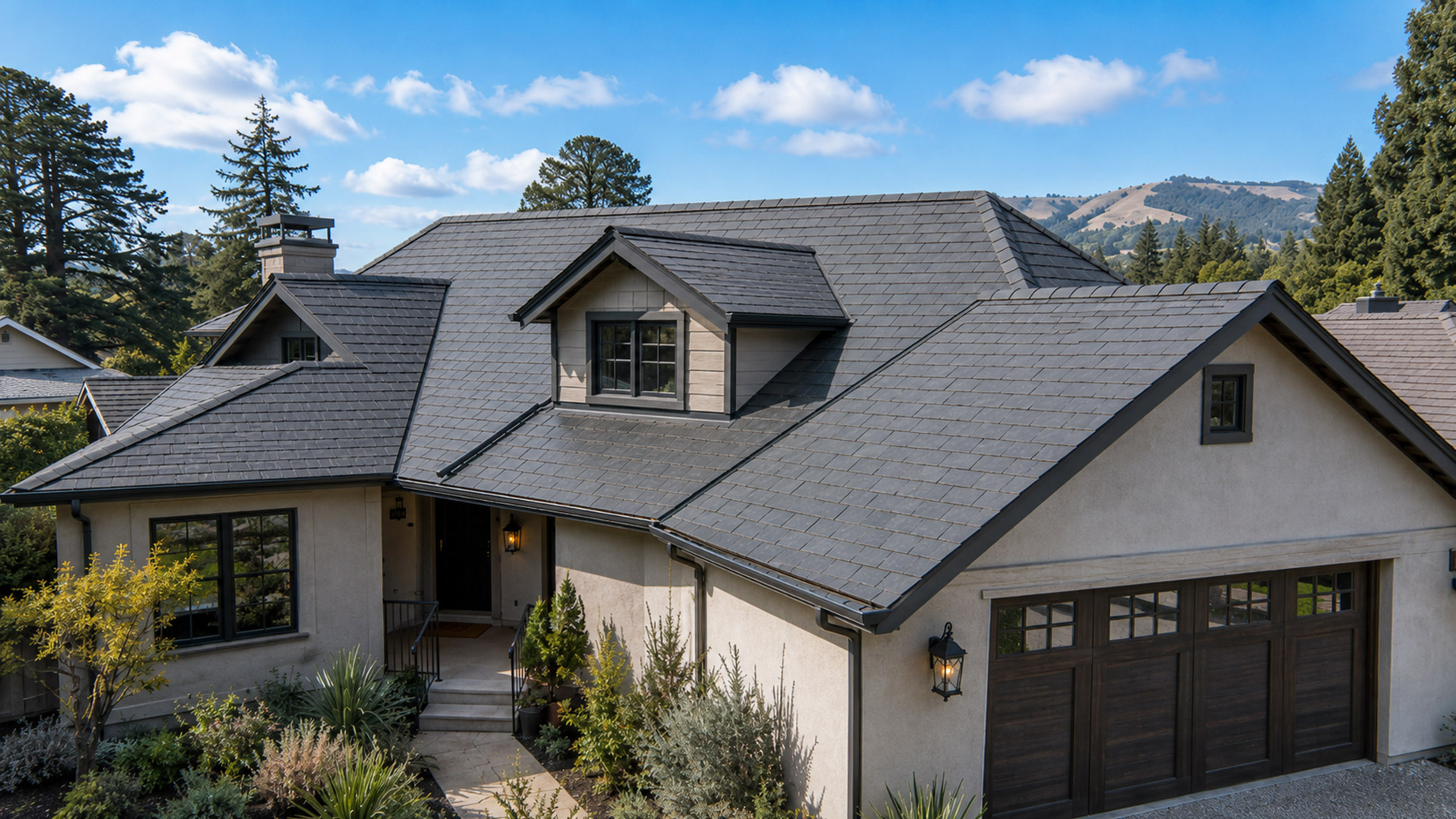
Northern California homeowners need roofing systems that can handle a wide range of regional conditions. Coastal moisture, valley heat, mountain snow, wind, heavy rain, wildfire-area concerns, and seasonal temperature changes can all affect how a roof performs over time. Whether a home is located in the Bay Area, Sacramento Valley, North Coast, Sierra foothills, or another part of the region, the roof remains one of the property’s most important protective systems.
A well-maintained roof helps prevent water intrusion, protects insulation and framing, supports energy efficiency, improves curb appeal, and helps preserve long-term home value. When roof issues are ignored, small problems can become expensive repairs involving leaks, damaged decking, stained ceilings, mold concerns, and interior moisture damage.
Why Roofing Matters in Northern California
Northern California roofing needs vary by location. Coastal properties may face fog, moisture, salt air, and wind. Inland homes may experience high heat, UV exposure, and seasonal storms. Foothill and mountain communities may deal with snow, debris, falling branches, and wildfire-related risk.
The National Weather Service Sacramento office tracks conditions that can include gusty offshore winds, low humidity, elevated fire weather, showers, and isolated thunderstorms, depending on the season and location. These conditions matter because wind, moisture, heat, and debris can weaken roofing materials, damage flashing, clog gutters, and expose vulnerable areas of the roof.
Roof condition may also affect insurance conversations. Recent California insurance reporting has shown that some major insurers are paying closer attention to roof age, roof type, and roof condition when evaluating coverage eligibility. For homeowners, this makes regular roof maintenance and documentation more important.
Common Roofing Services in Northern California
Roofing needs vary depending on the home’s age, location, roof material, tree coverage, slope, ventilation, and maintenance history. Some homes may only need a minor repair, while others may require full replacement after years of exposure.
Common roofing services include:
- Roof inspections after rain, wind, snow, or visible wear
- Shingle, tile, metal, or flat-roof repair
- Leak detection and repair
- Flashing repair around vents, chimneys, skylights, and roof edges
- Gutter and drainage assessment
- Underlayment and waterproofing review
- Fire-area debris and roof-surface evaluations
- Full roof replacement
A professional inspection is especially useful before the rainy season and after major weather events. A roof may look sound from the ground while still having loose flashing, damaged underlayment, clogged valleys, or weakened materials.
Roof Repair vs. Roof Replacement
Not every roofing issue requires full replacement. Repair may be enough when damage is limited to one area, such as a few missing shingles, minor flashing damage, a small leak, or isolated wind damage.
Replacement may be more practical when the roof is older, has recurring leaks, widespread material deterioration, storm damage across multiple sections, or failing underlayment. In Northern California, the visible roofing material is only one part of the system. Waterproofing, ventilation, drainage, flashing, and fire-conscious maintenance all affect long-term performance.
Working with a Roofing company in Northern California can help homeowners evaluate roof condition, understand repair and replacement options, and choose a practical solution based on the home’s location and needs.
Licensing, Permits, and Contractor Selection
California has specific licensing rules for roofing contractors. The Contractors State License Board identifies C-39 as the roofing contractor classification, covering roofing work related to sealing, waterproofing, and weatherproofing structures.
Before hiring a roofing contractor, homeowners should ask for a license number, proof of insurance, written estimates, warranty details, material specifications, permit handling, cleanup procedures, and a clear project timeline. Permit requirements can vary by city or county, so homeowners should confirm local rules before work begins.
Clear documentation matters. Written contracts, inspection notes, warranties, permit records, and completed-work photos can be useful for insurance claims, resale, and future maintenance planning.
Protecting Long-Term Home Value
A roof has a direct effect on home value. A clean, properly installed, and well-maintained roof improves curb appeal and gives future buyers greater confidence in the property. For luxury homes, rural properties, and homes in fire-prone or weather-exposed areas, roof condition can be especially important because exterior maintenance strongly affects the overall impression of care.
Homeowners can protect long-term value by scheduling inspections, clearing gutters, removing roof debris, trimming branches near the roofline, addressing leaks quickly, and keeping records of roofing work, permits, warranties, and inspections.
Final Thoughts
Choosing a roofing company in Northern California is an important decision because the region’s weather and property conditions vary widely. Sun, rain, wind, moisture, snow, debris, and fire-area concerns can all affect roof performance.
By scheduling inspections, choosing properly licensed professionals, confirming permit requirements, and addressing problems early, homeowners can reduce repair risks and protect one of the most important parts of the property. A strong roof supports safety, comfort, curb appeal, and long-term home value from the top down.
