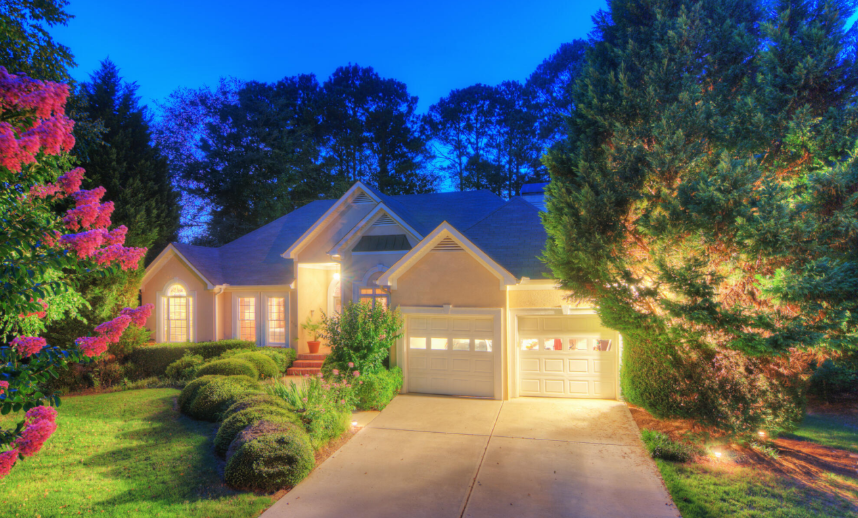
Outdoor lighting can change the way a home looks and feels after dark. The right lights can highlight important features, improve safety, and make outdoor areas more comfortable to use.
A good lighting plan should match the style of the home instead of fighting against it. By thinking about architecture, pathways, outdoor spaces, and seasonal needs, homeowners can create a design that feels both useful and attractive.
Match Lighting to the Style of the Home
Different homes look best with different types of lighting. A modern home may work well with simple fixtures, clean lines, and soft LED lighting.
Traditional homes may look better with lanterns, wall lights, or other fixtures with more detail. Rustic homes can often use warmer light and natural-looking materials.
The goal is to make the lighting feel like part of the home. Fixtures should support the design without becoming the main focus.
It also helps to keep the look consistent. Using too many different styles can make the outside of the home feel busy or uneven.
Use Lighting to Improve Curb Appeal
Outdoor lighting can make a strong first impression. It can draw attention to the parts of the home that look best and make the entrance feel more welcoming.
Pathway lights can guide visitors safely to the front door. Spotlights can highlight columns, stonework, trees, or other features.
Wall lighting can also bring more attention to the shape and texture of the home. Soft light often works better than very bright light because it creates a more natural look.
Homeowners who want help planning a more polished exterior may also look at services from My House Glow Christmas Lighting when exploring seasonal or decorative lighting ideas.
Create Comfortable Outdoor Living Areas
Outdoor spaces should be easy to use after sunset. Patios, decks, and seating areas may need stronger light than garden areas.
Use task lighting near cooking or dining areas so people can see clearly. Softer lighting can work better around seating areas where the goal is to relax.
String lights, small wall fixtures, and low garden lights can create a calm mood without making the space too bright.
Think about where people walk, sit, and gather. Lighting should support how the area is actually used.
Plan for Safety and Year-Round Use
Outdoor lighting should also make the property safer. Steps, pathways, driveways, and entrances should be easy to see at night.
Choose fixtures made for outdoor use. They should be able to handle rain, wind, heat, and cold.
LED lights are often a useful choice because they use less energy and usually last longer than older bulbs.
It can also help to use timers or smart controls. These features can turn lights on when needed and reduce wasted energy.
Conclusion: Create a Lighting Plan That Fits the Home
Outdoor lighting works best when it supports both the look and function of the property. The design should match the home’s style while making important areas safer and easier to use.
A few well-placed lights can often make more impact than a large number of fixtures. Focus on entrances, paths, outdoor living areas, and key design features.
With careful planning, outdoor lighting can make a home feel warmer, more welcoming, and more complete after dark.