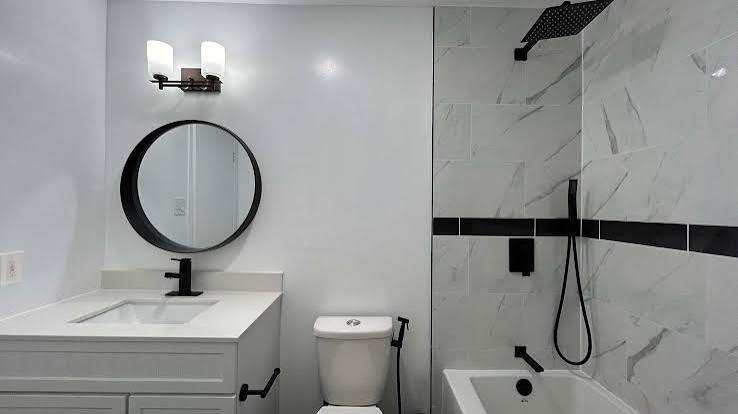
A bathroom renovation is a good chance to improve both comfort and efficiency. With the right choices, you can create a space that looks fresh while also using less water and energy.
A sustainable bathroom does not have to feel plain or limited. Many modern materials and fixtures are designed to look stylish while reducing waste. Planning ahead can help you balance cost, function, and long-term value.
Choose Materials With Lower Environmental Impact
The materials you choose can shape the look of the bathroom and affect how sustainable the project is.
Recycled tile, bamboo, reclaimed wood, and other lower-impact materials can be useful options. They may help reduce waste while still giving the room a polished look.
Low-VOC paints are another smart choice. They release fewer chemicals into the air and may help support better indoor air quality.
Try to choose durable materials as well. Products that last longer may need fewer repairs or replacements, which can reduce waste over time.
Use Water-Saving Fixtures
Bathrooms use a large amount of household water, so efficient fixtures can make a real difference.
Low-flow showerheads and faucets can reduce water use without making daily routines difficult. Dual-flush toilets can also help by using different amounts of water depending on the need.
Leaks should be fixed as soon as possible. Even a small drip can waste a surprising amount of water over time.
Homeowners planning a bathroom remodel and shower remodel in Michigan may also want to compare water-saving fixtures and layouts that support both comfort and efficiency.
Improve Energy Efficiency
Energy use is another important part of a sustainable bathroom. Lighting, ventilation, and hot water systems can all affect monthly energy costs.
LED bulbs are a simple upgrade. They use less energy than older bulbs and often last much longer.
A good exhaust fan is also important because it helps control moisture. Choosing an efficient model can improve airflow without using more power than needed.
If the renovation includes a new water heater or other equipment, look for energy-efficient options. These choices may cost more at first but can help reduce energy use over time.
Plan the Layout to Reduce Waste
A smart layout can make the renovation more efficient. Keeping plumbing in the same general location can reduce the need for extra materials and labor.
Before removing anything, decide what can be reused. Cabinets, mirrors, or storage pieces may still work with a new design.
Choose fixtures and finishes that fit the room well. Buying the right size from the start can help avoid returns, extra cuts, and wasted materials.
It also helps to create a clear budget and project plan. Better planning can reduce rushed decisions and make it easier to choose sustainable options.
Conclusion: Build a Bathroom That Lasts
A sustainable bathroom renovation is about making practical choices that support both your home and the environment.
Water-saving fixtures, durable materials, efficient lighting, and thoughtful planning can all help reduce waste and lower long-term costs.
You do not need to change everything at once. Start with the upgrades that make the biggest difference in your space.
With careful planning, you can create a bathroom that feels comfortable, modern, and easier to maintain for years to come.