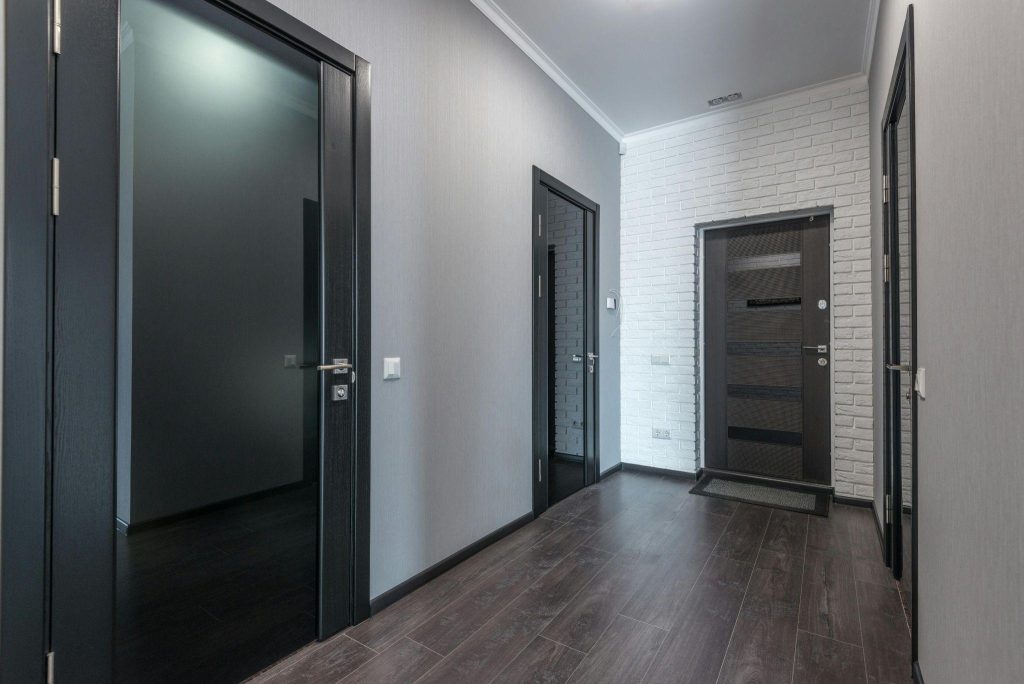
The front door of a house becomes one of the most used moving parts inside the home. Over time, continuous opening, slamming, weather exposure, and regular use slowly create wear and tear problems. When the door starts squeaking, sticking, or allowing drafts entering inside, it becomes more than only a small annoyance. Home security may get affected, while energy bills also can increase faster.
Most door problems usually happen because of house settling, humidity changes, or worn-out hardware parts. The good thing is, many of these issues have simple fixes homeowners can handle before expensive replacement becomes necessary.
This guide explains some common door problems homeowners face together with practical ways for fixing them properly.
- Door Sticking or Becoming Hard to Close
If you need lifting handle upward or pushing shoulder against door just for closing properly, then a sticking problem likely exists. Usually this happens because hinges become loose or house settling causes doors to sit unevenly inside the frame.
How Homeowners Can Fix Sagging Doors
Tighten Loose Screws
Open the door fully and inspect screws around the top hinge carefully. When screws loosen over time, the door often starts leaning downward slightly. Tightening screws properly sometimes fixes issues immediately.
Use Longer Screw Method
If screws keep spinning without tightening, replace one shorter screw with a longer three-inch wood screw. Drive screw through hinge directly into wall stud behind frame. This usually pulls the door back into correct alignment.
Check for Paint Buildup
Sometimes extra paint buildup around edges creates rubbing points. Light sanding on high spots often restores smooth door movement again.
- Drafts and Light Around Door Edges
If daylight becomes visible around closed door edges, money also is escaping together with conditioned air. Drafty doors allow outside air, dust, and insects entering home easily.
Solutions for Better Door Insulation
Replace Old Weatherstripping
Rubber or foam weatherstripping around the frame eventually becomes flattened or cracked. Removing old strips and pressing new weatherstripping into place usually creates tighter seals against airflow.
Adjust Door Threshold
Many modern doors contain adjustable threshold screws. If a gap appears under the door, turning screws slightly can raise the threshold until it seals properly against bottom sweep.
Install New Door Sweep
If the bottom edge of the door becomes worn out, installing screw-on door sweep often blocks cold drafts entering underneath.
- Door Not Staying Latched
Sometimes the door closes with a clicking sound, but suddenly opens again by itself. Usually this problem happens because the latch bolt does not align correctly with the strike plate opening.
Ways to Align Door Latch Properly
Lipstick or Marker Test
Apply little lipstick or marker ink on the latch bolt. Close the door carefully. Mark left behind on the strike plate helps showing whether the latch sits too high or too low.
File Strike Plate Opening
If alignment only misses slightly, using metal file for enlarging strike plate opening often solves issues quickly.
Move Strike Plate Position
If the alignment problem is larger, the strike plate may need repositioning completely. Old holes can be filled using toothpicks and wood glue before mounting the plate again in the correct spot.
- Squeaky or Noisy Hinges
Loud squeaking doors often become annoying, especially during nighttime. Many people spray lubricant quickly, but dust and dirt usually collect afterward, making problems return again later.
Proper Way for Lubricating Hinges
Remove Hinge Pin Carefully
Using a hammer together with a small nail, tap the hinge pin upward slowly until it comes out.
Clean Old Dirt and Grease
Wipe gray buildup from the hinge pin using a rag. Apply a light layer of silicone lubricant or white lithium grease afterward.
Reinstall the Pin
Slide hinge pin back carefully into place. Usually this creates quieter and smoother door movement for a much longer time.
- Warped or Swollen Doors
Inside humid environments, wooden doors often absorb moisture gradually and begin swelling. During summer months, doors may feel tight, while in winter they sometimes become loose.
How Homeowners Handle Wood Expansion Problems
Seal Sanded Areas Properly
If sanding or trimming has recently been done to stop sticking problems, exposed wood should be painted or sealed immediately. Bare wood absorbs moisture again very quickly.
Consider Door Replacement
When the door becomes heavily warped and no longer sits flat against the frame, usually the internal structure already fails.
For severe warping or rotting issues, many homeowners upgrade toward fiberglass or steel doors from Window Pros TX because these materials do not expand or shrink like natural wood.
- Door Dragging Across Floor
Sometimes the door begins scraping against flooring or carpet. This may damage floors while also placing heavy stress on upper hinges.
Ways for Fixing Dragging Doors
Inspect Old Hinges
Old hinge metal sometimes wears down over years, causing doors to drop lower. Replacing hinges with stronger heavy-duty versions often lifts the door enough to clear the floor again.
Trim Bottom Edge if Necessary
If thicker carpet or flooring recently got installed, the door bottom may require trimming slightly. Usually homeowners remove doors from hinges and shave small sections using planer or circular saw.
Why Regular Door Maintenance Matters
Doors face daily use together with changing weather conditions constantly. Small maintenance tasks like tightening hinge screws, replacing weatherstripping, or lubricating hinges often prevent larger repair costs later.
Once a door becomes very difficult to operate or visible damage appears, delaying repair usually makes the situation worse over time.
Conclusion
Many common door problems inside homes happen because of loose hinges, weather exposure, humidity changes, or aging hardware. Sticking doors, squeaky hinges, air drafts, together with latch alignment issues all become frequent concerns homeowners face regularly.
Usually, handling smaller problems early remains the smartest approach before expensive repairs or replacements become necessary later. Regular maintenance and simple adjustments help doors stay secure, energy-efficient, and easy operating throughout many years.
A properly functioning door not only improves comfort and insulation inside home, but also helps maintain security together with long-term property value.