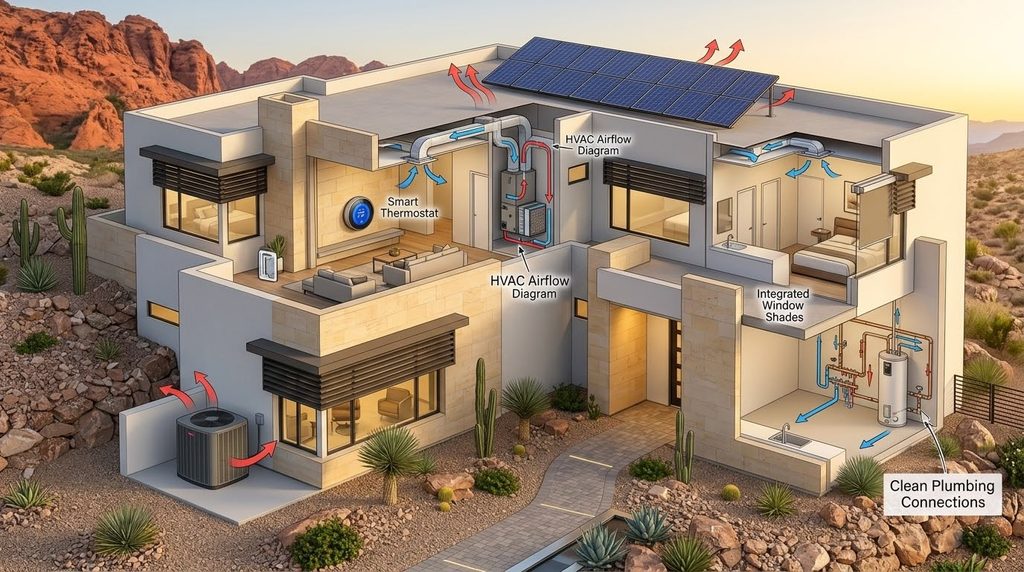
Key Takeaways
- Inspect and maintain HVAC systems before temperatures peak.
- Keep filters clean, vents clear, and outdoor cooling equipment unobstructed.
- Shade windows and seal gaps to reduce indoor heat.
- Check plumbing, faucets, and irrigation systems for leaks.
- Keep the main water shutoff valve accessible.
- Prepare emergency supplies and a backup cooling location for power outages.
- Check on vulnerable household members and pets during extreme heat.
- Address maintenance issues early to avoid urgent repairs during heat waves.
Nevada summers place heavy demands on homes, especially when intense sun, dry air, dust, and extended high temperatures combine. Preparing before the hottest stretch of the season can improve comfort, reduce avoidable strain on major systems, and help households respond more calmly when conditions become difficult. Simple preventive steps, including timely plumbing repair services when leaks or fixture problems appear, can protect both water supplies and the home itself. A heat-ready home is not just an air-conditioned home. It is a home with clear airflow, shaded windows, safe water connections, a workable outage plan, and a plan for household members who may be more vulnerable to high temperatures. Start with the easiest tasks, then address any warning signs before they become an urgent mid-summer problem.
Why Home Heat Preparation Matters
During Nevada heat, a cooling system may run for long periods to maintain a safe, comfortable indoor temperature. A dirty filter, a blocked vent, an obstructed outdoor unit, or an unnoticed water leak can make that work harder. Preparation also connects everyday systems that are easy to overlook: window coverings affect indoor heat gain, appliance use can add heat to living spaces, and plumbing leaks can waste water when outdoor and indoor demand is already high. Major appliances deserve attention as well. A refrigerator that runs unusually warm, a dishwasher that leaks, or a dryer with poor airflow can add stress to a household routine, so arranging reliable appliance repair services early may be more practical than waiting for a breakdown during a heat wave.
The Pre-Heat HVAC Checklist
Complete this basic cooling check before temperatures peak:
- Replace or clean the HVAC filter according to its manufacturer’s instructions.
- Clear leaves, weeds, dust, and stored items away from the outdoor condenser.
- Make sure supply and return vents are open and not covered by furniture, rugs, or boxes.
- Test the thermostat and confirm that the system starts, cools, and shuts off normally.
- Pay attention to weak airflow, unfamiliar odors, unusual noises, ice, or excessively long run times.
- Schedule qualified service if the system cannot reach its set temperature or performance changes noticeably.
Do not remove electrical panels or attempt refrigerant work yourself. Electrical components and refrigerant systems require appropriate training, tools, and safety procedures.
How To Protect Indoor Air Quality
Cooling is only part of the indoor comfort equation. Dust, pollen, wildfire smoke, and indoor activities can affect air quality, particularly when windows remain closed for long periods. Use the correct filter size, replace it when needed, and avoid blocking return-air grilles.
- Keep windows and doors shut when the air outside is polluted.
- Use a portable air cleaner in a frequently occupied room if it suits the household’s needs.
- Limit smoking, heavy frying, candles, and strong chemical products when ventilation is limited.
- Check local conditions before opening windows to let in cooler air.
The EPA guidance on extreme heat and indoor air quality also recommends shading sunny windows and considering outdoor air conditions before ventilating the home.
Simple Ways To Keep Heat Outside
Before considering a major renovation, focus on inexpensive changes that reduce solar heat gain, such as closing blinds or curtains on sun-facing windows, particularly during the afternoon. Exterior shades, awnings, and solar screens can help where they are practical. Seal visible gaps around doors and windows, and investigate attic insulation if upstairs rooms are consistently much hotter than the rest of the house. Use ovens, dryers, dishwashers, and other heat-producing appliances during cooler parts of the day when possible. Ceiling fans can improve comfort by moving air across the skin, but they do not lower a room’s actual temperature.
Water And Plumbing Checks Before Hot Weather
Water awareness is especially important in Nevada. Walk around the property and inspect outdoor faucets, hose connections, irrigation heads, and visible supply lines. Look beneath sinks, around toilets, and near the water heater for dampness, staining, or musty odors. Repair dripping faucets and running toilets instead of assuming small leaks can wait. Test the main water shutoff valve so household members know where it is and can operate it during an emergency. If water use rises without a clear explanation, investigate promptly. A leak hidden behind a wall, beneath a cabinet, or under a slab can cause damage before it becomes obvious.
How To Reduce Cooling Costs
Efficient cooling starts with reducing heat before it enters the home. Shade windows, maintain airflow, and keep outdoor equipment clear. Set the thermostat at a practical temperature for the household rather than making repeated, dramatic adjustments. A programmable or smart thermostat can be useful when its schedule matches daily routines. A home with a clean filter, clear vents, shaded windows, and closed blinds may feel more comfortable without forcing the cooling system to operate at its lowest setting all day. Review utility bills periodically for unexpected increases that could indicate a maintenance or performance issue.
What To Do During A Power Outage
Loss of power during extreme heat can quickly make indoor spaces uncomfortable. Identify a backup location with reliable air conditioning, such as a relative’s home, a library, a cooling center, or another public indoor space. Keep water, flashlights, charged power banks, medications, pet supplies, and important contact information accessible.
- Close blinds and windows to slow heat gain.
- Avoid using the oven or other equipment that adds indoor heat.
- Move children, older adults, pets, and people with health concerns to a cooler location if needed.
- Never operate a fuel-burning generator indoors, in a garage, or near windows and doors.
The CDC’s heat-health recommendations emphasize staying cool, drinking fluids, and checking on neighbors, especially those who live alone or have chronic health conditions.
Heat Safety And A Maintenance Schedule
Check regularly on infants, older adults, people with chronic conditions, and pets during hot weather. Dizziness, weakness, nausea, headache, heavy sweating, confusion, and unusual fatigue can be signs that someone needs cooling and medical attention. Never leave a child or animal in a parked vehicle.
Monthly
- Inspect the HVAC filter and visible plumbing connections.
- Remove debris from around outdoor cooling equipment.
- Check irrigation areas for leaks, broken heads, or overspray.
Before A Heat Wave
- Test the air conditioner and review the outage plan.
- Close sunny window coverings and charge backup batteries.
- Stock drinking water, medications, and pet essentials.
Common Questions About Heat-Ready Homes
How Often Should An HVAC Filter Be Changed?
There is no single schedule for every home. Follow the filter manufacturer’s instructions and check more often if the household has pets, high dust levels, or frequent system use.
Should The AC Run Constantly During Extreme Heat?
Longer cooling cycles can occur during very hot weather. Weak airflow, ice, burning smells, repeated breaker trips, or failure to reach the thermostat-set temperature are reasons to seek qualified help.
What Should Homeowners Do If The System Stops Working?
Check the thermostat, filter, and circuit breaker once. If the breaker trips again, the system smells burnt, or the issue continues, turn the system off and contact a qualified professional.
Final Takeaway
Preparing a Nevada home for extreme heat does not always require one large project or a major renovation. Small maintenance tasks and practical improvements can help homeowners keep their properties in better condition during periods of high temperatures. A clean air filter, clear outdoor equipment, shaded windows, and leak-free plumbing can support household comfort and reduce the risk of preventable problems. Households should know the location of the main water shutoff valve and keep it easily accessible in case of an emergency. Homeowners should consider preparing for potential power outages by keeping essential supplies on hand, planning how to stay cool, and knowing whom to contact if critical home systems fail. Regularly inspecting these areas can help identify worn components, minor leaks, and other concerns before they become more difficult to address. Taking these steps ahead of time can make a home better prepared to handle Nevada’s hot weather. The best time to identify a weakness is before the next heat wave arrives, when there is still an opportunity to address it without the added pressure of extreme conditions.