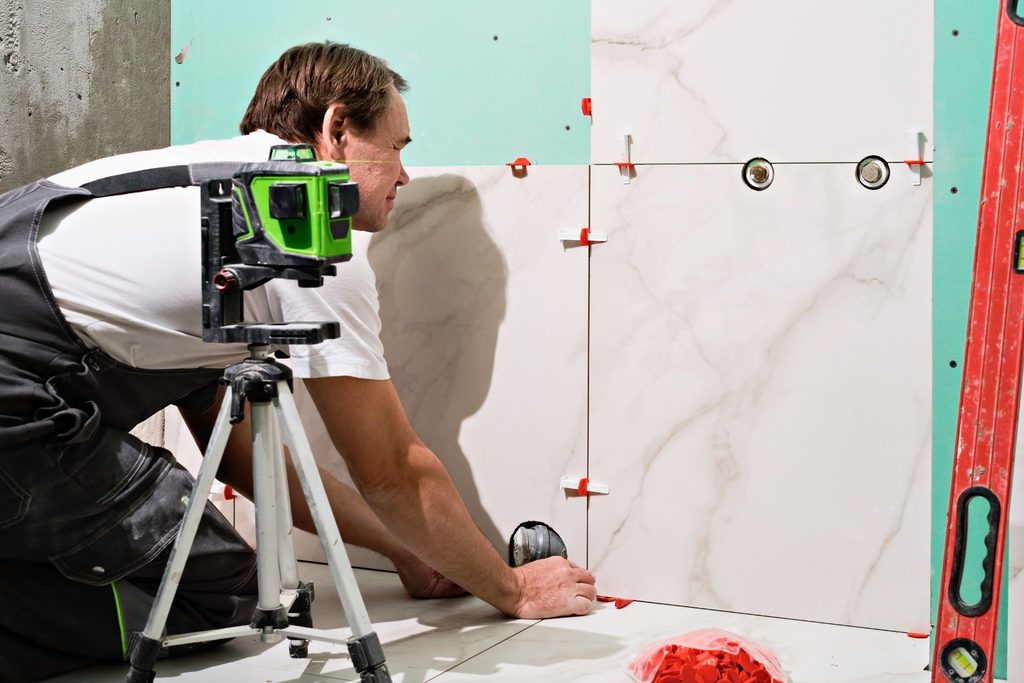
Choosing wall tiles involves more than finding a finish that suits the room. The condition of the surface can affect installation requirements, long-term performance and the appearance of the completed project. Granite tiles can provide a substantial, durable finish, but the wall must be suitable for the material and its intended application.
Before selecting granite, renovators and project teams should examine the surface itself. Assessing these conditions early can help identify preparation work and prevent a material choice from creating avoidable installation problems.
1. Is the Wall Structurally Sound?
The wall needs to provide a stable base before any tile installation begins. Cracks, loose sections, deteriorating surfaces or previous damage can affect how well tiles adhere and remain in place.
Inspect the surface for visible defects and consider what lies beneath existing finishes. A wall that appears sound may still require preparation if older tiles, paint or other materials have weakened the substrate.
Granite can create a substantial finished surface, so the condition of the wall should form part of the material assessment rather than being treated as a separate concern after purchase.
2. Is the Surface Sufficiently Flat?
Large or substantial wall tiles can make surface irregularities more noticeable. Uneven areas may complicate alignment and affect the finished appearance, particularly when the project requires clean lines across several adjoining tiles.
Measure or inspect the wall before deciding on the tile format. Significant variations may require levelling or other preparation before installation.
A flat substrate also gives installers a more predictable surface to work with. This can support more consistent placement and reduce the need to compensate for irregularities during installation.
3. How Much Moisture Will the Wall Encounter?
The environment around the wall should influence the tile selection. Bathrooms, kitchens and other areas exposed to water or humidity have different requirements from dry interior spaces.
Assess where splashing, condensation or regular cleaning may occur. The wall’s existing condition also matters because persistent moisture can affect underlying materials and create problems beyond the tile surface.
Consider the complete installation system rather than focusing only on the appearance of the granite. Waterproofing, substrate preparation, grout and installation methods all contribute to how the finished wall performs.
4. Can the Existing Surface Support the Installation?
Before choosing wall tiles, determine whether the existing substrate and supporting structure can accommodate the proposed installation. This becomes particularly relevant when replacing lighter materials with heavier finishes.
The assessment should account for the condition of the substrate and any existing layers that may remain beneath the new installation. Removing unsuitable materials may provide a more reliable base than installing directly over them.
Project teams should resolve these questions before ordering materials because the required preparation can influence both the installation method and overall project scope.
Key Signs
Look more closely at the wall if you find:
- Cracks or loose sections that indicate surface deterioration.
- Noticeable unevenness across the installation area.
- Signs of water damage, staining or persistent dampness.
- Existing finishes that do not provide a reliable bonding surface.
- Structural or substrate conditions that may not support the proposed tile installation.
5. Does the Wall’s Intended Use Suit Granite?
The reason for installing the wall tiles should influence the material decision. A feature wall may prioritise visual impact, while a high-use area may place greater emphasis on durability, cleaning and maintenance.
Consider how people interact with the surface and what types of cleaning it will receive. A material that suits one application may not offer the same practical advantages in another.
Granite can create a distinctive finish, but the selection should relate to the project’s actual requirements rather than relying on the material’s appearance alone.
6. Does the Desired Finish Work With the Wall’s Design?
Once technical suitability has been established, consider the visual requirements of the project. Granite tiles can vary in colour, pattern, texture and surface finish, so the chosen material should work with the surrounding architecture and interior elements.
Look at the wall under the lighting conditions of the finished space. Natural and artificial light can affect how colours and surface patterns appear.
Also consider grout lines, tile dimensions and the direction in which the tiles will be installed. These details can influence whether the final wall looks balanced and consistent with the wider design.
Before Ordering the Tiles
A suitable wall tile should work with the surface, environment, installation requirements and intended design. Assessing these factors before purchasing granite can help project teams identify preparation work early and select a material that fits the actual conditions of the site.
Contact Soon Bee Huat Trading to discuss wall tiles and granite tile options for your project’s surface, application and design requirements.