Key Takeaways
- Small roof problems may not become apparent until repeated rain exposes them.
- Gutters, flashing, valleys, vents, and attic spaces all deserve regular attention.
- A seasonal plan can reduce the chance of an unexpected repair during wet weather.
- Homeowners should not walk on wet, steep, or unstable roofs.
- Recurring leaks and visible structural concerns call for professional evaluation.
In Redmond, Washington, a roof has to handle long damp stretches, wind-driven rain, tree debris, and shaded areas that may stay wet well after a storm. A practical seasonal routine helps homeowners catch small concerns before water reaches the attic, wall cavities, or ceilings. Homeowners looking into roof repair Redmond services should begin with a clear view of the warning signs and the safest next steps. Roof maintenance is not about climbing onto every surface or trying to patch every imperfection. It is about noticing changes, keeping water moving where it should, and arranging a qualified inspection when conditions point to damage. Consistent attention is especially valuable for homes surrounded by mature trees, where needles, leaves, and branches can collect on roofing and in gutters.
Why Redmond Roofs Need Seasonal Care
Western Washington’s wetter season generally runs from fall into spring, while summer often provides a drier window for exterior work. The Seattle-area climate is characterized by a pronounced rainy season and frequent winter cloudiness, conditions that can keep roof materials and debris damp for extended periods. Moisture, wind, overhanging branches, and buildup in drainage paths can all add stress to a roofing system. Damage does not always begin during a major storm. A loose shingle, cracked pipe boot, or small gap in flashing may remain unnoticed until repeated rainfall finds a path inside. Checking the roof before, during, and after the wet season makes it easier to address concerns while they are still limited in scope.
The Best Times to Check a Roof
- Early spring: Look for winter debris, blocked gutters, loose roofing materials, and visible storm damage.
- Late summer: Plan repairs or maintenance when surfaces are more likely to remain dry long enough for work to be completed properly.
- Early fall: Clear gutters, test downspouts, and trim branches before heavier seasonal rain returns.
- After major storms: Check for fallen limbs, lifted shingles, displaced flashing, and signs of attic moisture.
A Safe Ground-Level Roof Check
A useful inspection can start from the yard, driveway, or a window with a clear view. Use binoculars if needed, and avoid climbing onto a wet roof. Look for missing, curled, cracked, or lifted shingles; debris gathered in roof valleys; sagging or uneven roof lines; and roofing pieces on the ground. Also check whether tree limbs are rubbing the roof or hanging close enough to cause damage in wind.
Gutters and Downspouts Matter More Than Many Homeowners Think
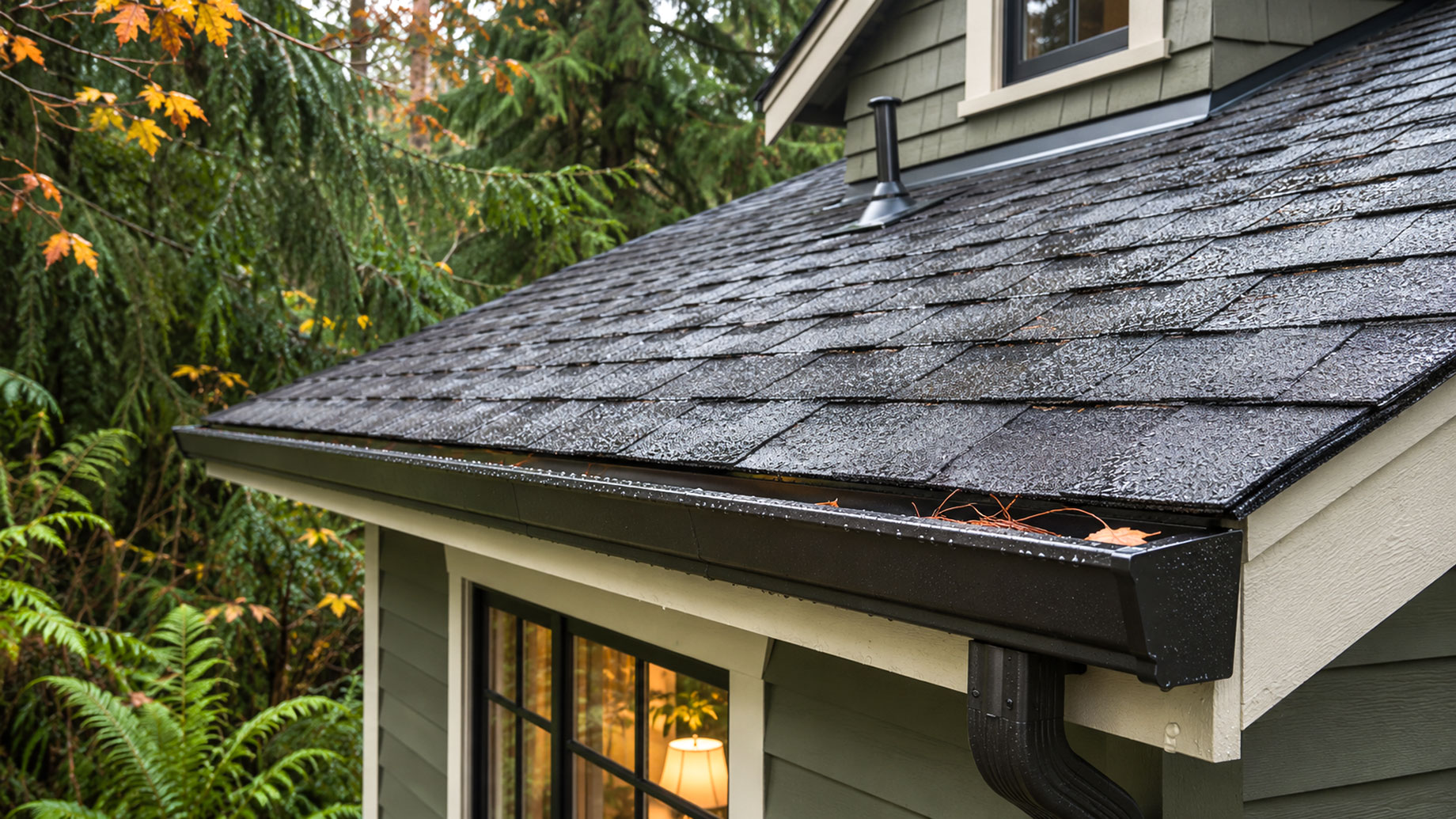
Gutters direct water away from roof edges, fascia boards, siding, and the foundation. When leaves, needles, or sediment block that route, water can overflow where it does not belong. Signs of trouble include overflow streaks, water spilling over gutter edges, erosion near downspout outlets, standing water, or staining on exterior walls. Downspouts should discharge water away from the home in a manner appropriate for the property’s drainage setup. Because rain from rooftops becomes runoff that can flow into nearby drainage systems and waterways, stormwater carried off rooftops and other developed surfaces ultimately reaches local waters. Clean gutters before the wet season and recheck them after periods of heavy debris fall.
Roof Areas That Commonly Develop Leaks
Water usually enters at transitions and openings rather than through the middle of an intact roof field. Pay close attention to flashing around chimneys, skylights, and wall intersections; pipe boots and other penetrations; valleys where two roof slopes meet; ridge vents and other ventilation openings; and sections beneath trees. A stain inside the home may appear some distance from the actual entry point, so a careful inspection should trace the issue rather than assume the stain identifies the source.
Moss, Algae, and Moisture Buildup
Shaded roof sections, particularly those beneath trees or on slower-drying sides of the home, can hold moisture longer. Moss can retain dampness and may interfere with how roofing materials lie against the surface. Avoid aggressive pressure washing, which can damage shingles or remove protective surface material. Light debris can often be cleared from the ground or by a professional using appropriate methods, while extensive moss growth should be evaluated before treatment or removal.
How to Check the Attic for Early Warning Signs
After rainfall, inspect the attic with a flashlight if it is safe to enter. Look for water staining on roof decking, damp or clumped insulation, musty odors, visible daylight through the roof, or active drips. Inside living areas, ceiling stains, peeling paint, and persistent moisture odors also deserve attention. Take dated photos so changes can be compared over time.
When a Small Repair May Not Be Enough
An isolated damaged shingle or flashing issue may be repairable, but repeated leaks in the same location can indicate a larger problem. Widespread granule loss, soft roof decking, multiple damaged areas, or recurring interior moisture should prompt a thorough assessment. Ask for photographs, written findings, and a clear explanation of whether a targeted repair, broader restoration, or replacement is the appropriate option.
Common Roof Maintenance Mistakes to Avoid
- Waiting for a ceiling stain before investigating a suspected problem.
- Pressure washing shingles or scraping growth aggressively.
- Ignoring clogged downspouts after cleaning the gutters.
- Applying a surface patch without locating the water entry point.
- Walking on a wet or steep roof without proper training and safety equipment.
- Delaying tree trimming until a branch has already damaged the roof.
A Simple Roof Care Checklist
- Inspect visible roof areas each season.
- Clean gutters and confirm downspouts flow freely.
- Trim branches that touch or overhang the roof.
- Check attic spaces for moisture, staining, and ventilation concerns.
- Photograph changes and keep records of inspections and repairs.
- Schedule a professional inspection after significant wind or rain damage.
Questions Homeowners Often Ask
How often should a roof be inspected?
A ground-level check each season is a sensible starting point, with an additional review after severe weather. Older roofs, homes under heavy tree cover, and roofs with previous repairs may need closer attention.
Can homeowners remove moss themselves?
Ground-level cleanup of loose debris may be manageable, but work on a steep, high, wet, or moss-covered roof carries real fall risk. Trained professionals handle heavy growth and roof-surface work better.
What should be done after a heavy storm?
Check the yard and roofline for debris and missing materials, inspect the attic for new moisture, document visible damage, and arrange prompt evaluation if water is entering the home.
Conclusion
For Redmond homeowners, maintaining the roof through regular care is generally more manageable than waiting until a leak causes noticeable damage. Small issues such as loose shingles, blocked gutters, worn flashing, or damaged seals can develop gradually and may become more expensive to address if they go unnoticed. Scheduling seasonal inspections, keeping gutters and downspouts clear, trimming overhanging branches, and checking the attic for damp spots or signs of moisture can help identify potential problems early. It is also worth paying attention to changes after heavy rain, strong winds, or falling debris, as these conditions can expose existing weaknesses in the roofing system. Homeowners should arrange professional assessments when they notice missing materials, persistent moisture, sagging areas, or recurring leaks rather than attempting unsafe repairs themselves. By making roof maintenance part of the home’s regular upkeep, Redmond residents can better prepare their properties for changing weather and reduce the risk of unexpected repairs when the next period of rain and wind arrives.