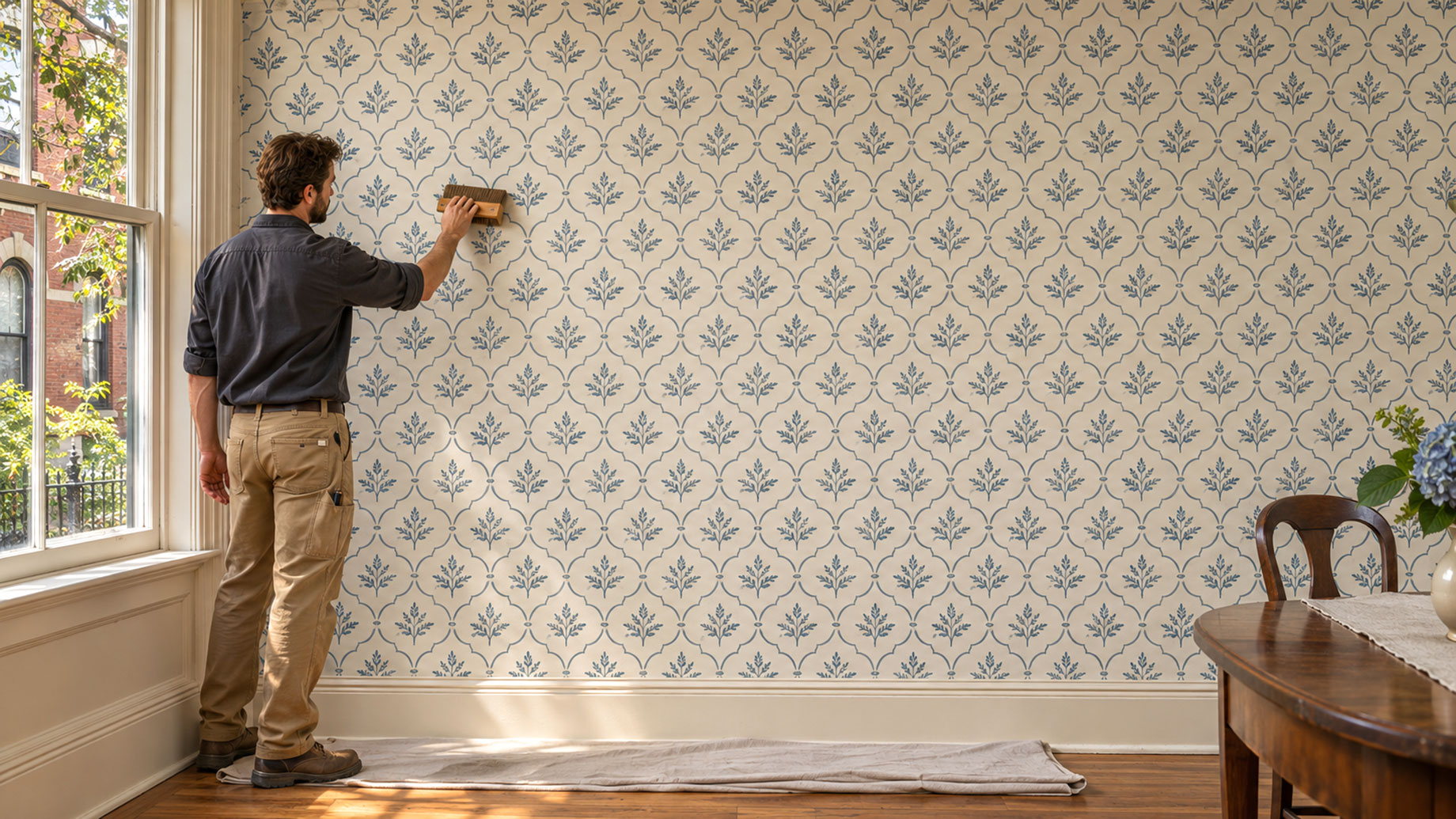
Wallpaper adds color and pattern to a room without taking up floor space. A quiet texture can soften a bedroom, while a bold print can give a dining room a clear focal point. The finished effect depends on more than the paper itself. Wall condition, pattern placement, and neatly cut edges all shape what people see. A professional installer considers those details before hanging the first strip, starting with how the design will sit in the room.
Place the Pattern With Purpose
A wallpaper pattern changes how a room’s proportions and furnishings appear. For homeowners considering wallpaper installation in St. Louis, discussing the intended focal point gives the installer a helpful starting point. A centered motif above a bed creates a different effect than a continuous print across every wall. Placement should account for windows and furniture before cutting any strips.
A large motif can work in a small room, but its position deserves attention. If the most visible part falls behind a tall cabinet, much of the design disappears. An installer can discuss where a repeat will land and which areas will be most noticeable.
Prepare Walls Before Papering
Wallpaper follows the surface beneath it, so bumps and damaged areas can remain visible after installation. Loose paint, old adhesive, or dust can also interfere with adhesion. An installer should examine the wall before estimating the preparation needed.
Repairs depend on the surface condition. Filling holes and smoothing rough patches create a better base, while a suitable primer prepares the wall for the selected covering. The wallpaper manufacturer’s instructions determine which preparation products are appropriate.
Homeowners should point out stains or signs of moisture before work begins. Covering an unresolved leak does not fix it, and the wall needs to be dry before paper goes up.
Align Seams and Edges
Wallpaper strips need careful placement so the design meets as intended. An installer plans a starting line and checks each strip against it. Room corners and ceilings aren’t always perfectly straight, so relying on a single edge as the guide can make a pattern look crooked.
The seam also deserves attention. Gaps expose the wall beneath, while overlapping edges can create visible ridges. The recommended seam treatment depends on the wallcovering.
Clean cuts around trim and outlets give the finished wall a deliberate appearance. Before work starts, homeowners can ask how the installer handles these areas and whether they will remove and replace outlet covers.
Match the Room and Material
The best-looking paper also suits the room’s daily use. A hallway wall near a busy doorway needs a finish that can handle contact, while a bedroom accent wall has different demands. The product’s care instructions help homeowners compare practical options.
Bathrooms and kitchens require particular attention to moisture. Ventilation and splash zones matter, as does the manufacturer’s guidance on where the installers can use a covering.
Samples make the decision easier. Viewed on the intended wall, a sample shows how its color and texture respond to the room’s light. Checking it beside flooring and upholstery also reveals whether the combination works before installation.
Plan For Pattern Repeats
A repeating design affects how much wallpaper a project needs. Adjacent strips must match, and some material gets trimmed to align the pattern. Doors, windows, and the chosen layout also affect the amount required.
An installer can use the room dimensions and product information to estimate the order. Homeowners should confirm who will calculate the quantity and who will place the order.
Keeping some matching material after installation provides an option for a future repair. Keep roll labels and product details with it, since a later purchase may differ in color or availability.
Review the Finished Walls
A walkthrough gives homeowners and installers a chance to inspect the work together. Daylight and room lighting reveal different details, so both are helpful when checking the surface.
The review should cover visible seams, edges near trim, and any areas where adhesive remains. Discuss small bubbles or other concerns with the installer rather than pressing or cutting them without advice. Some materials require time to dry, and the appropriate response depends on the product.
Before the installer leaves, homeowners should ask for care instructions and a clear contact method for follow-up questions. Cleaning methods vary by wallcovering, so the product label remains the best guide.
Conclusion
A successful wallpaper project starts with a choice about where the eye should land, then gives the installer enough information to plan around it. Before ordering, homeowners should review a sample in the room and discuss wall preparation, pattern placement, and material quantities. A written estimate should identify the work included and any repairs that need a separate decision. With those details settled, the final walkthrough becomes a practical check against the agreed plan.