A luxury listing in a warm climate almost always shows a pool. Further north, the same feature can sit under a winter cover for much of the year. Owners in Calgary, Edmonton or the mountain towns of the Rockies face a real question. Should the property carry a classic pool, or a water feature built for snow?
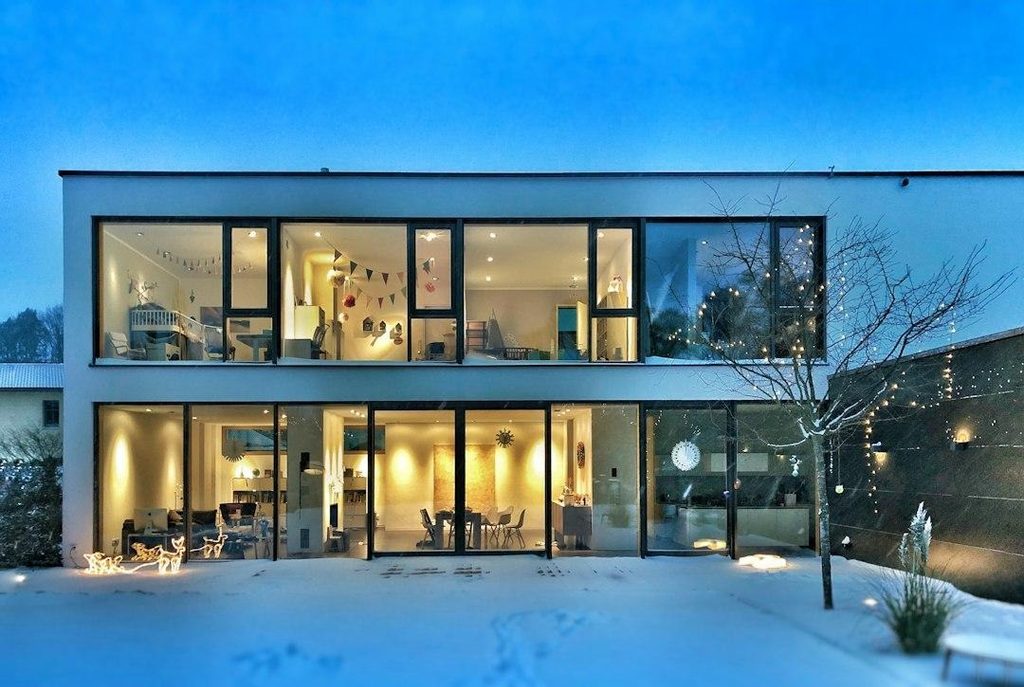
Photo by Stephan Bechert on Unsplash
Alt text: A modern two-story house with floor-to-ceiling windows lit from inside on a snowy evening
The swim spa has become a serious answer. It is a long, deep tub with a powered current, so a swimmer can keep a steady stroke in place. In Calgary, Backyard Canada sells 11 Vortex and Swim Fit models, with current sale prices from $21,999 to $48,999 CAD. This guide compares the two options on season, siting, installation, buyer appeal and safety.
Why Does a Classic Pool Struggle Up North?
The issue is the calendar, not the design. An outdoor pool in a prairie or mountain town is usually a summer feature. The rest of the year it needs winterizing, a cover and a careful reopening. Environment and Climate Change Canada publishes climate normals for stations across the country, so owners can check typical temperatures for their own town.
Those records rarely flatter an outdoor pool in Alberta, where frost can arrive early in the fall and linger into spring. A large pool also claims a big share of the yard, plus a deck, an equipment room and a fence line. On an estate lot that space may be available. The harder question is whether the family will use it for enough weeks to justify it.
What Does a Swim Spa Offer Instead?
A swim spa is heated and covered, so it can run through the winter. The current gives a real workout in a much smaller footprint. Backyard Canada’s published specifications show lengths from 157 to 269 inches, or about 13 to 22 feet.
Its range suits several kinds of owners:
- Lap swimmers who want a daily workout without a drive to the club.
- Families who want play space in summer and warm water in January.
- Owners of tighter infill lots, where a full pool will not fit.
- Buyers who want hot tub seating and exercise in one shell.
Dual-zone models divide the shell into two areas. Swimming and lounging can then happen side by side. On a property with a guest suite, that flexibility counts.
The trade-offs deserve equal attention. A swim spa will not host a pool party for 20 guests or a diving board. Its current suits steady swimming, not racing turns. For many northern owners, those limits matter less than swimming through the winter months.
Where Should It Sit On the Property?
Siting decides whether a swim spa reads as an afterthought or as architecture. Our feature on designing a year-round outdoor room makes the case for shelter, clear circulation and seasonal comfort. The same thinking applies here.
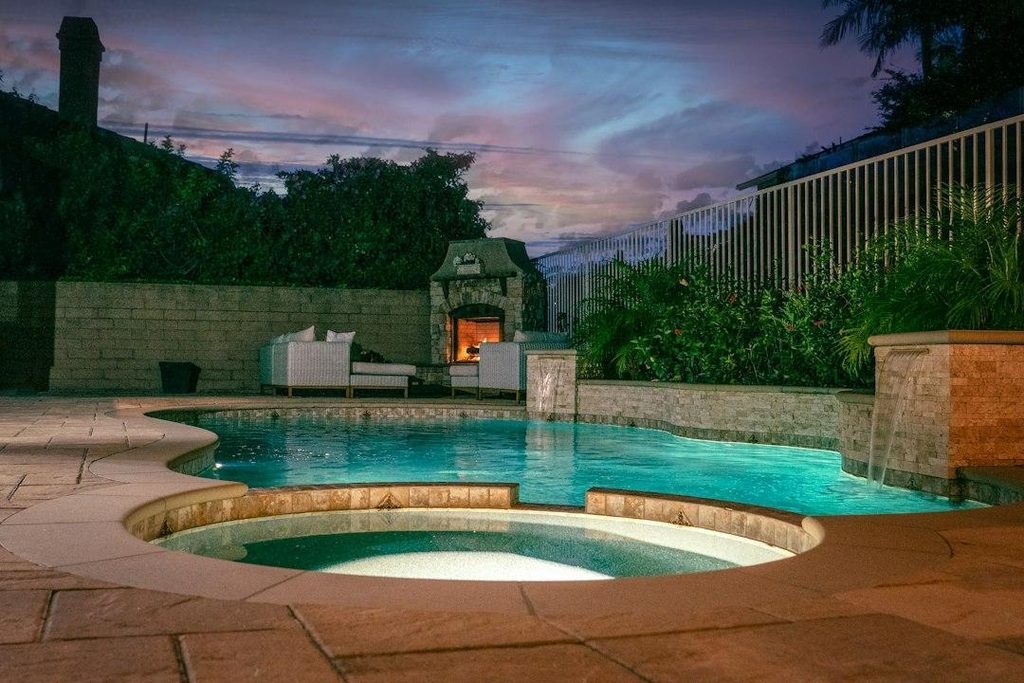
Photo by Marty O’Neill on Unsplash
Alt text: A lit in-ground pool and attached spa beside an outdoor fireplace, enclosed by a fence at dusk
Weigh these placement factors early:
- A short, covered or heated path from the house, since winter is the main season.
- A view from the main living spaces, so the lit water becomes part of the evening scene.
- Screening from neighbors with planting, walls or a pergola.
- A clear route for a crane, free of overhead wires and mature trees.
- A place to pile snow that does not bury the cover or block the path.
Pairing the swim spa with a nearby sauna completes the hot and cold circuit. The Pinnacle List’s guide to a luxury home sauna built around the routine shows how towels, changing and cooling fit that flow.
What Does Installation Actually Involve?
A swim spa arrives as one large unit, so the site work comes first. Backyard Canada publishes the main steps and costs for Calgary buyers:
- Prepare a level concrete pad or a 10-inch road crush base.
- Book a crane company to lift the spa into place, with quotes that have run from $700 to $6,000.
- Pay for delivery, listed at $1,000 within Calgary and quoted elsewhere in Alberta, BC, Saskatchewan and Manitoba.
- Hire an electrician, since supply needs range from about 30 amps per zone to 110 amps total, depending on the model.
Ask for the spec sheet before the electrician quotes. Permit rules vary by municipality, so confirm them with the local office early.
How Do Buyers Read a Swim Spa?
Buyers at the top of the market read a backyard by its use. A swim spa signals four-season wellness rather than a summer showpiece. It also leaves more of the lot for gardens, a guest house or outdoor dining.
A swim spa is equipment rather than structure, which shapes the sale. Listing agents should note the model, the age and any transferable warranty. Backyard Canada lists a 10-year prorated structural warranty on Vortex swim spas. A buyer who wants a full pool may still see the spa as a starting point, not a substitute.
What Safety Measures Belong In the Plan?
Deep, warm water needs the same respect as any pool. The Lifesaving Society recommends fencing a backyard pool on all four sides, with gates that self-close and lock. It notes that toddlers, including visiting children, are the main concern.
A locking hard cover adds a second barrier. Local bylaws vary, so the fence and cover plan should be checked before the pad is poured. Good lighting on steps and paths matters too, since most winter sessions happen after dark.
Frequently Asked Questions
What Is a Swim Spa?
A swim spa is a long, heated tub with jets that create a current. A swimmer can swim in place, and most models also include seating.
Can a Swim Spa Be Used All Winter In Canada?
Yes, when it is covered, heated and maintained. Winter use also needs a clear path from the house and a cover that stays free of heavy snow.
How Much Space Does a Swim Spa Need?
Backyard Canada’s models run from about 13 to 22 feet long and roughly 7.5 feet wide. Add room for steps, a cover lifter and service access.
Does a Swim Spa Add Value to a Luxury Home?
Buyer taste and local demand decide that. In cold climates it can appeal as a four-season amenity, but it is equipment, so its age and warranty matter.