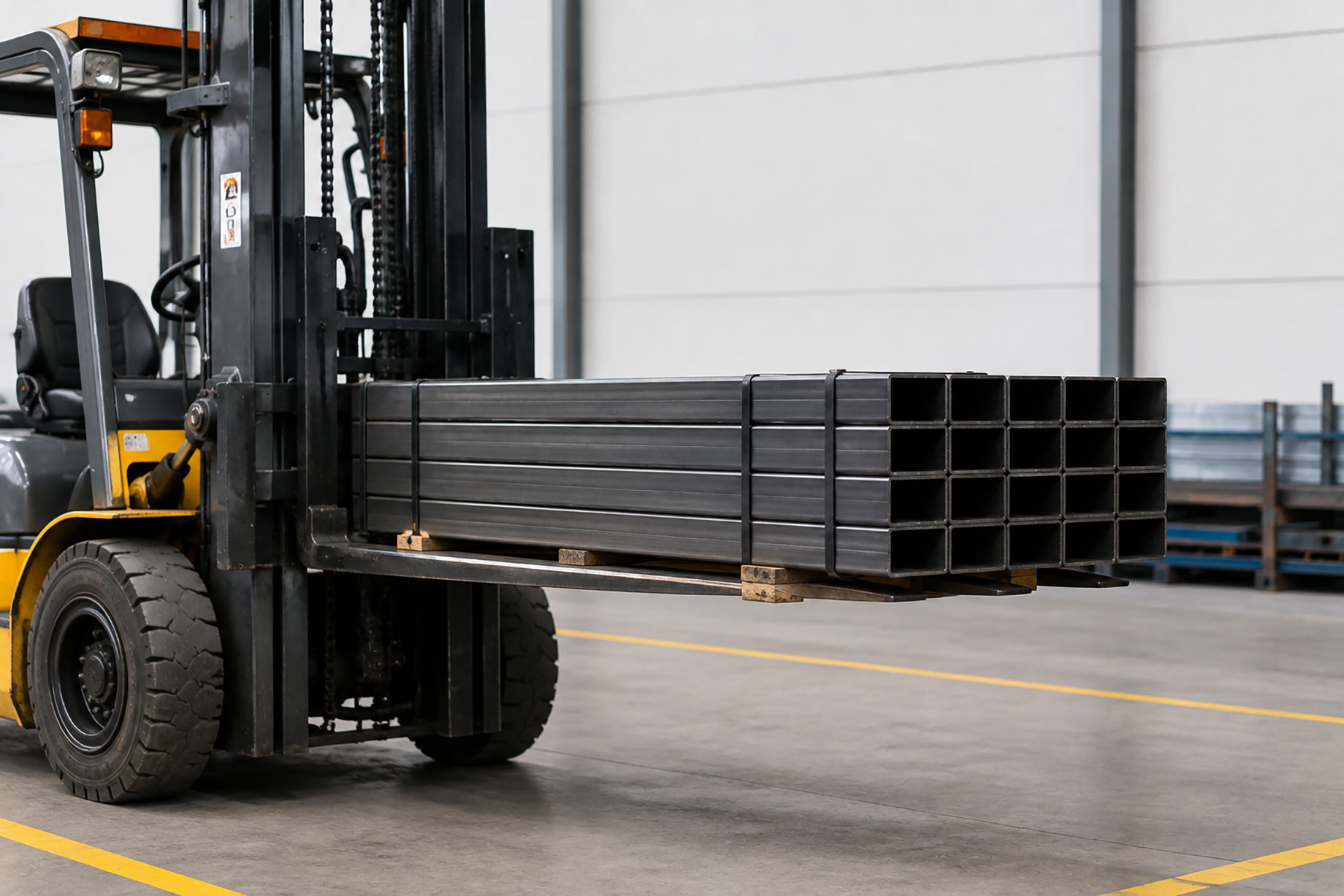
Manufacturing environments across Victoria, Australia demand precision, especially when moving raw steel, pre-cast components, or large assembly tooling across active workshop floors. Relying on under-capacity machinery for oversized items creates severe safety risks and stalls production schedules. When a project calls for specialised lifting capacity or extra maneuverability in tight bays, arranging a short-term forklift hire Dandenong unit ensures your crew has the exact tonnage rating and attachments needed to move heavy materials safely.
Here is a practical guide to managing heavy freight and custom machinery movements while keeping your site safe and fully compliant.
Calculating Real Load Dynamics on Active Plant Floors
A machine might feature a nominal rating of five tonnes on its data plate, but that figure only tells part of the story. On a heavy fabrication site, cargo rarely comes packaged in neat, compact shapes.
The true lifting capacity depends heavily on the load centre, which is the horizontal distance from the front face of the forks to the centre of gravity of the load. Standard capacity ratings typically assume a 600mm load centre. When your team picks up a wide steel beam, an extended truss, or a long piece of industrial tooling, that load centre shifts further out, often to 900mm or 1200mm.
As the centre of gravity moves outward, the net lifting capacity drops significantly due to basic leverage mechanics. Carrying a heavy load also introduces dynamic forces. Sudden braking, turning on a slight gradient, or accelerating with a high payload creates momentum that can quickly destabilise an under-rated machine. Always calculate the true load centre before lifting, rather than relying solely on total weight.
Selecting the Right Machine Configuration
Choosing the right power source and chassis configuration keeps your operations moving smoothly without compromising indoor air quality or mechanical performance.
- High-Capacity Diesel and LPG: Outdoor yards, structural steel storage areas, and well-ventilated bays benefit from the high torque delivered by internal combustion engines. These units handle continuous heavy cycles and cope well with outdoor conditions.
- Compact Heavy-Duty Electrics: For enclosed assembly lines or indoor plant installations, high-tonnage electric models provide the required lifting power with zero tailpipe emissions and low noise levels, making communication across the floor much easier.
- Mast Design and Rigidity: Heavy loads create structural flexing in light-duty masts. Choosing a heavy-duty, rigid mast reduces sway during high lifts or when transferring materials to overhead cranes. Lots of warehouses invest in container ramps that bridge the height gap between ground level and heavy freight vehicles smoothly. Selecting durable loading accessories prevents equipment strain while ensuring cargo transitions safely into the facility.
Navigating Space and Structural Constraints
Heavy manufacturing bays often feature tight access lanes between welding stations, overhead crane gantries, and storage racks. Balancing high lifting capacity with a manageable machine footprint is essential.
Beyond physical aisle clearance, floor loading capacity is a vital consideration that team leaders occasionally overlook. The combined mass of a high-capacity lift truck and a heavy payload places immense point-pressure on workshop floors. Before moving high-tonnage loads across newer concrete pours, mezzanine levels, or suspended slabs, always verify the ground load capacity to prevent structural cracking.
Do not forget to check vertical clearances along the entire travel path. Overhead cranes, gas lines, low lighting rigs, and doorway frames must all be measured against the collapsed height of the machine mast.
Specialised Attachments for Non-Standard Cargo
Standard forks are ideal for timber pallets, but custom fabrications and heavy machinery often require specialised tooling to ensure secure transport.
- Jibs and Crane Booms: Convert your machine into a mobile crane, allowing operators to lift underslung loads or drop components into hard-to-reach assembly frames.
- Hydraulic Fork Positioners and Spreaders: Allow operators to adjust fork spacing from inside the cabin, providing wide support for long steel sections or piping without manual effort.
- Heavy-Duty Side-Shifters: Enable precise lateral adjustments when slotting heavy equipment into tight installation bays, eliminating the need to jockey the entire machine back and forth.
Remember that adding any attachment reduces the net lifting capacity of the machine. The attachment adds dead weight and pushes the load centre further forward, so always re-calculate your operational limits.
Workplace Safety Protocols and Risk Controls
Operating heavy material handling machinery demands strict compliance with WorkSafe Victoria guidelines and site-specific risk management plans.
Establishing clear pedestrian exclusion zones is one of the most effective ways to protect ground crews during heavy machinery moves. When transporting wide or tall loads that obstruct the operator’s line of sight, always use trained spotters and clear communication methods to guide the vehicle safely through active bays.
Performing thorough pre-operational checks on ground conditions, tyre pressures, hydraulic lines, and braking systems ensures equipment operates reliably throughout the shift.
Pre-Movement Checklist
Before executing a heavy material move on your plant floor, run through these five quick questions:
- What is the actual load centre measurement of the cargo?
- Does the full travel path clear all overhead structures and door frames?
- Have you checked the floor load limit of the concrete slab along the route?
- Is a specialty attachment required, and has the net capacity been recalculated?
- Are pedestrian exclusion zones clearly marked with spotters in place?
Taking time to assess these factors protects your workforce, prevents machinery damage, and keeps your production targets right on schedule.
