Every action fan has watched a great fight and thought, “I could stage that.” Then the footage comes back blurry and the hits look soft. Choreography that felt sharp in rehearsal turns to mush. The problem is rarely the performers. It is usually the camera, the shutter and the way the shots were covered.
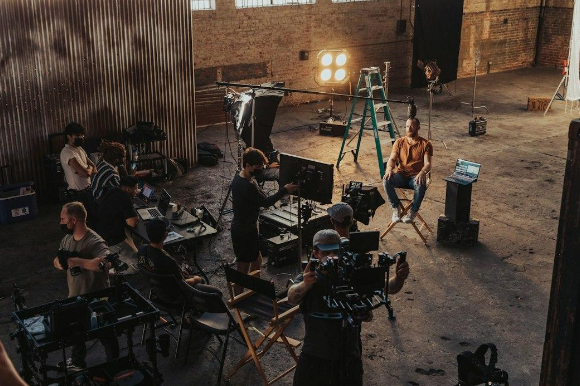
Photo by Jakob Owens on Unsplash
Alt text: a group of people standing around a camera set up
You do not need to buy a cinema camera to fix that. If your shoot is in London, video equipment rental at Sugarland lets a small crew take out a camera, lenses, support and monitors for the days they need. The rest of this guide covers which gear matters most for a fight and how to plan the hire around it.
Why Do Fight Scenes Punish Cheap Gear?
A fight is the hardest thing most indie crews will ever shoot. Bodies move fast and change direction without warning. The camera often moves too.
Three technical problems show up first:
- Rolling shutter skew. Many budget sensors read the image line by line. On a fast whip pan, vertical lines lean and limbs bend.
- Motion blur on impacts. A slow shutter smears a punch into a streak. The audience cannot tell whether it landed.
- Weak low light. Night fights or warehouse sets push cheap cameras into noisy, muddy footage.
A rental cinema camera fixes all three at once. It reads the sensor faster, handles higher frame rates and holds detail in the shadows.
Which Gear Actually Changes How a Fight Reads?
Spend your hire budget on the items an audience will feel, not the ones that look good on a gear list.
- A camera with high frame rates. Shooting at 48 or 60 frames per second gives you clean slow motion for a key hit.
- Fast, sharp primes. A prime lens has one fixed focal length. It lets in more light than most zooms, which helps when you narrow the shutter.
- Body-worn support. A rig like an Easyrig takes the camera weight off the operator’s arms. Handheld shots stay energetic without getting sloppy.
- Wireless video and a good monitor. Your fight choreographer needs to see the frame. Watching playback is how you spot a miss that looked like a hit.
- Minicams or action cameras. These go where a person cannot. Think a POV from a falling body or a lens tucked behind a crash box.
Shutter choice matters as much as the camera. The usual rule is a 180-degree shutter, about 1/48 of a second at 24 frames. Narrowing it to 90 or 45 degrees gives a crisper, more staccato look. Gladiator and Saving Private Ryan both used that effect for their battle footage.
Which Gear Belongs In Your Bag and Which Stays at the Rental House?
Own the things you use every week. Rent the things you use on shoot days.
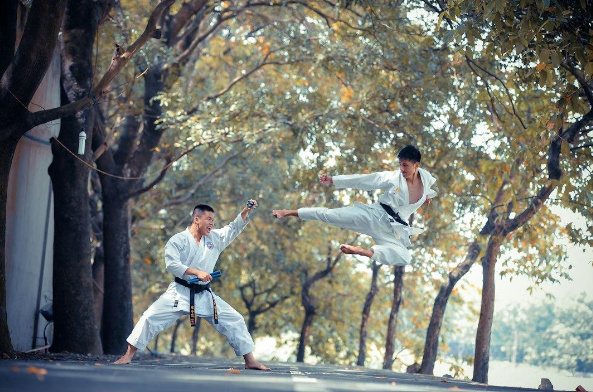
Alt text: two men performing karate near trees during daytime
Most indie action crews own a phone or a small mirrorless camera for rehearsal. They also own pads, mats and a basic tripod. Those pay for themselves fast.
The expensive layer is better rented. That means the cinema camera, a matched lens set, wireless video and the larger lights. Prices on that gear fall quickly, so buying it locks money into kit that ages. Renting also lets you test a full package before you ever think about buying one.
When Should the Hire Start If Rehearsals Come First?
Rehearse cheaply, then shoot expensively. Film every rehearsal on a phone and cut it together as a rough previz. Previz is a rough version of the scene used to plan shots. For other ways to block a fight before anyone throws a punch, try these AI tools for action filmmaking.
Once the previz works, you know exactly which lenses and angles you need. That keeps the hire short.
Sugarland’s own hire notes help with timing. You can collect kit the afternoon before and return it the morning after. A weekend hire runs from Friday afternoon to Monday morning. Crews can also test equipment at the rental house ahead of the shoot. You will need your own hired-in insurance, so sort that before you request a quote.
How Do You Keep Performers and Gear Safe?
Bring in someone with stunt experience, even for a short. A trained stunt coordinator plans each hit, the camera positions and the safe zones around them.
For stunts, firearms and effects, the US film industry’s safety committee publishes free safety bulletins. They are written for big productions, but the principles apply to any set. Read the relevant bulletin before any fall, weapon or vehicle gag.
Gear needs protecting too. Use a matte box or clear filter in front of rented glass when debris flies. Keep the operator outside the strike zone, and use a longer lens instead of moving closer. Rewatch a stunt-heavy film like Con Air and notice how often the camera sits well back from the blast.
What Changes When You Shoot In London?
London gives action shorts rooftops, railway arches and wet streets that look great at night. It also has rules. Street filming may need permission from the local borough. Public transport sites have their own processes.
The British Film Commission’s production planning hub is a useful starting point for locations, crew and contacts. Book your rental only once the location dates are firm.
A Pre-Hire Checklist for Fight Shoots
- Lock the choreography and a phone previz first.
- List every shot and the lens it needs.
- Confirm insurance before you request a quote.
- Book a test session to check the camera, frame rates and shutter.
- Plan collection and return around your shoot dates.
Let the Choreography Do the Talking
The best indie fights are not the ones with the most expensive camera. They are the ones where every hit is readable. Rent the gear that makes that possible, and put the rest of your budget into rehearsal time.
Frequently Asked Questions
What Frame Rate Is Best for Fight Scenes?
Most fights are shot at 24 frames per second for a cinematic feel. Shoot key impacts at 48 or 60 frames so you can slow them down in the edit.
Is It Cheaper to Rent a Cinema Camera Than Buy One?
For a short with a few shoot days, renting almost always costs less. Buying only makes sense if you shoot most weeks of the year.
Do You Need a Stunt Coordinator for a Short Film?
You should have one for any fall, weapon or hard contact. They protect your performers and help each hit read better on camera.
How Far Ahead Should You Book Rental Gear?
Book as soon as your shoot dates are fixed. Popular camera packages go fast around weekends, so earlier is safer.