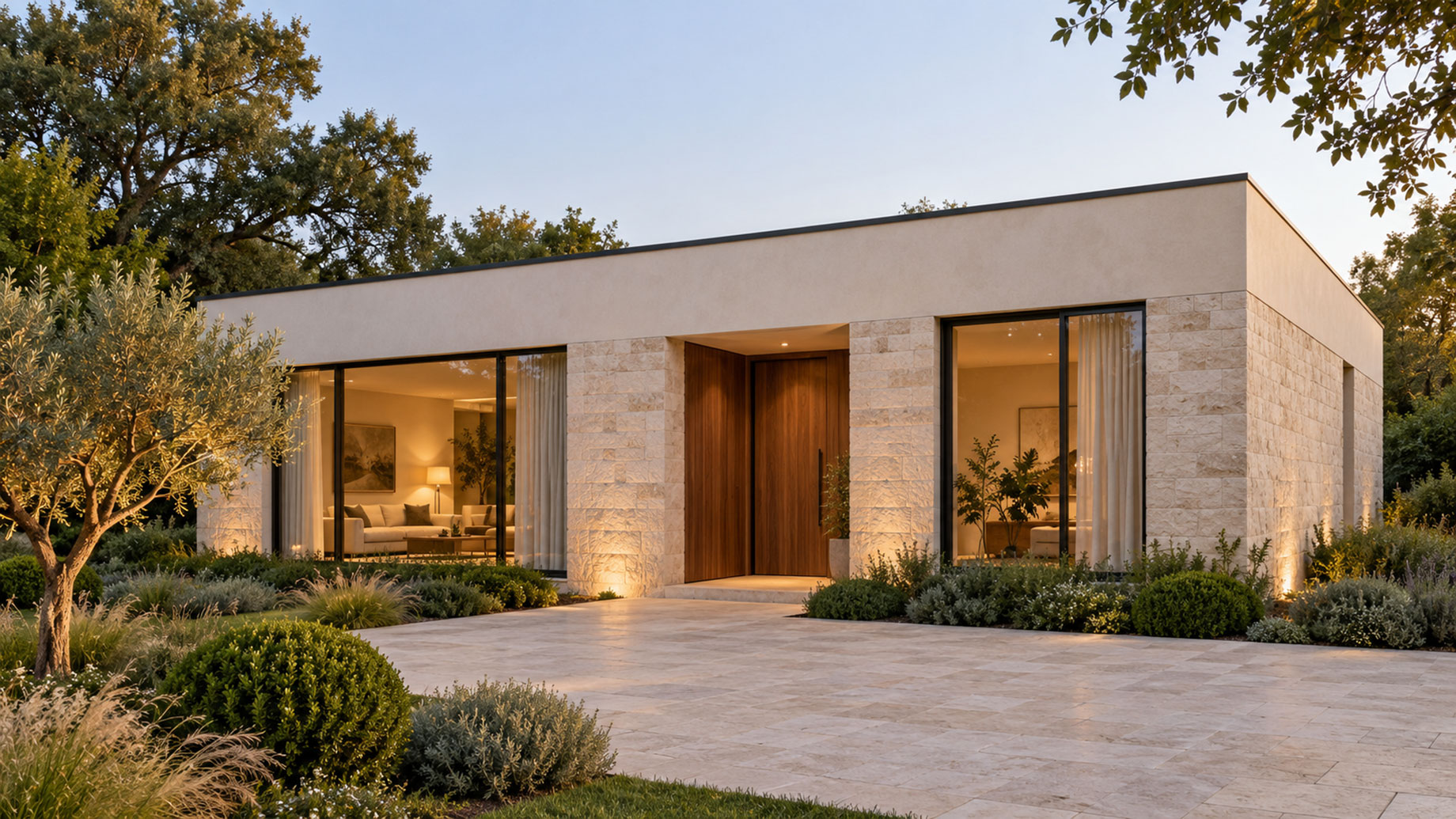
A home’s exterior establishes its character long before anyone steps through the front door. From the proportions of its facade to the texture of its stonework, the finish of its roof, and the landscaping surrounding its entrance, every detail contributes to the overall impression. For luxury properties in particular, exterior design is not simply about appearance. It is about creating a cohesive architectural identity that reflects the property’s setting, purpose, and long-term appeal.
Yet renovating an exterior can be difficult to visualize. A homeowner might imagine replacing dated siding with contemporary cladding, introducing a more refined color palette, or giving a traditional residence a modern update. Translating those ideas into a convincing visual plan often requires architectural expertise, material research, and considerable time.
An AI exterior design generator offers a new way to approach this challenge. By transforming a photograph of an existing property into a redesigned visual concept, AI-powered tools help homeowners explore architectural possibilities before committing to expensive changes. The technology does not replace professional architects or builders, but it can make the earliest stages of renovation more visual, collaborative, and informed.
Why Exterior Design Matters in the Luxury Property Market
Luxury real estate is often associated with exceptional interiors, premium amenities, and desirable locations. However, the exterior remains a critical part of the property’s overall identity. It establishes expectations, communicates architectural quality, and influences how the building relates to its surroundings.
A well-considered facade combines materials, proportions, color, lighting, and landscape elements into a unified composition. Natural stone might provide permanence, while timber introduces warmth. Large windows can emphasize openness, and carefully positioned exterior lighting can reveal the texture of a facade after sunset.
These decisions are particularly important when renovating an established property. An outdated exterior does not necessarily indicate that a home needs extensive structural changes. Sometimes, a more coherent material palette, refined window surrounds, an updated entrance, or improved landscaping can create a substantial visual improvement.
The challenge is identifying which changes will produce the most convincing result.
This is where an AI exterior design generator becomes useful. Rather than relying exclusively on imagination, homeowners can examine visual concepts based on their actual property. The resulting images provide a starting point for evaluating whether a contemporary, Mediterranean, minimalist, or traditional direction complements the building.
For buyers considering a renovation project, the same approach can help reveal a property’s potential beyond its current presentation.
From Architectural Inspiration to Property-Specific Concepts
Inspiration photographs are valuable, but they rarely tell the complete story. A facade that looks exceptional on a coastal villa may not translate directly to a suburban residence or a historic home surrounded by mature trees.
Differences in roof geometry, window placement, building scale, sunlight, and neighboring architecture all influence the final appearance. Generic inspiration can communicate a mood without showing how that mood might work on a particular property.
An AI exterior design generator bridges part of this gap by working from an existing photograph. Instead of starting with a blank canvas, users can explore design directions in the context of their own building.
For example, a homeowner might compare a light stone facade with dark metal accents against a warmer palette featuring textured render and natural timber. Another experiment might focus on replacing visually inconsistent finishes with a coordinated combination of siding, trim, and roofing colors.
The advantage is not that every generated image will be architecturally perfect. It is that multiple possibilities become easier to examine before a renovation brief is finalized.
Landscape Design AI provides an example of this photo-based approach through its AI Exterior Design tool. Users can upload a home photograph, select preferences such as architectural style and materials, and generate exterior concepts to explore different visual directions.
This can be particularly helpful when a homeowner has a clear sense of the desired atmosphere but has not yet determined the precise combination of finishes that will achieve it.
Exploring Architectural Styles Without Losing a Property’s Character
One of the most interesting applications of AI-assisted exterior design is the ability to compare architectural styles. Style selection affects more than decoration; it influences the relationship between materials, openings, rooflines, and the building’s overall visual rhythm.
A modern interpretation might emphasize restrained colors, clean lines, large expanses of glazing, and minimal ornamentation. A Mediterranean direction could introduce warm stucco, earthy tones, stone details, and a stronger connection between indoor and outdoor living. A cottage-inspired renovation might favor softer colors, traditional trim, and materials that feel established rather than newly installed.
These approaches can be explored visually before choosing a final direction.
The most successful renovations, however, do not always involve adopting an entirely different style. An existing home may already possess distinctive proportions, a recognizable roofline, or architectural details worth preserving. Updating its finishes while retaining those defining features can produce a more coherent result than applying an unrelated aesthetic.
An AI exterior design generator can help compare these possibilities, but users should assess the results critically. A visually appealing concept may introduce features that are difficult to construct or inconsistent with the original building.
The objective should be to identify improvements that complement the property rather than erase its architectural identity.
For period homes and architecturally distinctive residences, preservation requirements, local planning rules, and professional advice should guide the final decisions.
Materials, Textures, and Color Palettes Make the Difference
Exterior materials have a significant influence on how a property is perceived. The same architectural form can look dramatically different depending on whether its facade features brick, stone, timber, metal, ceramic panels, or rendered finishes.
Color introduces another layer of complexity. A pale facade can make a building feel lighter, while charcoal accents may emphasize its geometry. Warm neutrals can soften a contemporary design, and contrasting trim can create definition around doors and windows.
However, choosing individual finishes in isolation can lead to disappointing results. A roof color may appear suitable on a sample board but clash with the facade in natural daylight. A dark cladding material might look sophisticated in a photograph but overwhelm a small building when applied across its entire surface.
An AI exterior design generator allows homeowners to evaluate combinations in context. They can compare lighter and darker palettes, explore contrasting trim, or examine how different facade materials might work together.
For a premium property, useful experiments might include:
- Pairing pale natural stone with dark bronze or black window frames.
- Combining warm timber accents with restrained contemporary render.
- Comparing charcoal roofing with lighter facade finishes.
- Exploring textured materials against smoother architectural surfaces.
- Testing a more consistent palette across the garage, entrance, and main building.
These visual studies help establish a design direction before ordering samples or requesting detailed quotations.
Nevertheless, generated textures are not reliable specifications. Real materials vary in color, reflectivity, texture, maintenance requirements, and performance. Physical samples and manufacturer information remain essential when narrowing the choices.
Improving Curb Appeal Through a More Cohesive Design
Curb appeal is often discussed in terms of landscaping, but the strongest results usually come from treating the entire front elevation as a connected composition.
The entrance, driveway, roof, windows, exterior lighting, planting, and boundary treatments all contribute to the property’s first impression. When these elements compete visually, even expensive upgrades may fail to create a unified appearance.
An AI exterior design generator can help homeowners assess the relationship between architectural finishes and the surrounding site. For instance, a redesigned facade might work better with a simpler planting scheme, a more clearly defined pathway, or lighting that emphasizes the entrance rather than illuminating every surface equally.
The goal is not to add more features indiscriminately. It is to determine which elements deserve attention and how they can work together.
Consider a property with a dated cream facade, mismatched exterior finishes, and an entrance that lacks definition. A concept could explore a coordinated neutral palette, darker door and window accents, improved entrance lighting, and restrained foundation planting.
The visual impact may come from consistency rather than from a dramatic architectural transformation.
For properties being prepared for sale, these concepts can also help owners prioritize improvements that strengthen presentation. Still, a generated image should never be treated as evidence that a proposed renovation will automatically increase a property’s market value. Actual returns depend on location, buyer preferences, workmanship, and the cost of the improvements.
Using Exterior Visualization Before Buying a Property
Property buyers often evaluate homes based on their current condition. Dated finishes, neglected landscaping, or an unappealing color scheme can make it difficult to recognize a building’s underlying potential.
Visual renovation concepts provide another perspective.
A buyer considering an older residence might use an AI exterior design generator to explore how the property could look with updated siding, a different facade palette, or a more contemporary entrance. This can help distinguish cosmetic shortcomings from issues that require closer technical investigation.
The process is especially useful when comparing several properties. Rather than judging each home solely by its current appearance, buyers can begin to formulate realistic renovation ideas and identify the design direction that best suits their preferences.
However, visual appeal is only one part of due diligence. A photograph cannot reveal concealed water damage, structural defects, outdated electrical systems, poor insulation, or the true condition of a roof.
Before making an offer based on renovation potential, buyers should consider professional inspections, planning restrictions, contractor estimates, and the availability of suitable materials.
AI-generated concepts are most valuable when they support a broader property assessment, not when they substitute for it.
Making Renovation Discussions More Productive
Exterior renovations involve multiple stakeholders. Homeowners may need to communicate their preferences to architects, designers, builders, landscape professionals, or family members who have different ideas about the final result.
Describing a desired facade in words can be difficult. Terms such as contemporary, understated, timeless, and warm mean different things to different people.
Visual concepts offer a more direct way to communicate those preferences.
With an AI exterior design generator, a homeowner can prepare several alternatives that illustrate different material combinations, color schemes, or stylistic approaches. The images can then be used to explain what feels right, what should be avoided, and which elements deserve further investigation.
This can make early discussions more focused. A contractor, for example, may be able to identify practical concerns more quickly when presented with a visual direction rather than a vague description.
The concepts should still be treated as preliminary references. Construction professionals will need accurate dimensions, specifications, structural information, and appropriate drawings before carrying out the work.
A useful workflow is to generate ideas, shortlist the most promising directions, verify their feasibility with qualified professionals, and develop the selected concept into a properly documented project.
How to Use an AI Exterior Design Generator Effectively
The quality of an exterior concept depends partly on the photograph and the clarity of the design brief. A few practical steps can make the process more productive.
- Start with a clear photograph. Choose a well-lit image showing as much of the facade as possible, including the roofline, windows, entrance, and surrounding ground. Avoid heavy shadows, obstructed views, and extreme camera angles when possible.
- Choose a specific design objective. Decide whether the priority is updating the facade, testing colors, exploring a different architectural style, or improving the entrance. A clear objective makes it easier to compare results meaningfully.
- Experiment with one direction at a time. Generate concepts with different material palettes or styles, then compare them against the original property. Changing too many variables simultaneously can make it difficult to understand which decisions improve the design.
- Evaluate the building as a whole. Examine how the roof, windows, doors, trim, and surrounding landscape work together. Do not judge the concept solely by an attractive facade detail.
- Verify the practical details. Check proposed materials, local climate suitability, maintenance requirements, construction feasibility, and relevant building regulations with appropriate professionals.
Landscape Design AI’s AI Exterior Design Generator offers a straightforward way to begin this exploration from a property photograph. Its style and material options allow users to develop visual directions before moving into more detailed planning.
Where AI Visualization Fits Into the Future of Property Design
AI-assisted visualization is becoming a useful addition to the early stages of residential design. Its main advantage is accessibility: homeowners can explore ideas without first commissioning a complete set of architectural visualizations.
For the luxury property market, this creates opportunities to communicate renovation potential, compare aesthetic directions, and prepare more informed discussions about improvements. It may also help buyers and sellers explain the possibilities of a property more clearly, provided that conceptual images are identified honestly and are not presented as completed work.
The limitations remain important. AI-generated images may misrepresent dimensions, invent construction details, or suggest materials that are unsuitable for the building or climate. They do not establish structural integrity, calculate construction costs, or replace technical documentation.
The most effective approach combines visual experimentation with professional judgment. AI can help answer the question, “What might this home look like?” Architects, designers, and builders then determine what can be achieved safely, legally, and within the available budget.
For homeowners seeking a more confident starting point, an AI exterior design generator makes the journey from inspiration to a property-specific concept more approachable. By testing ideas before committing to materials or construction, they can make better-informed decisions about the appearance and character of their homes.
Ultimately, thoughtful exterior design is not about following every new trend. It is about creating a coherent relationship between architecture, materials, landscape, and the people who live in the property. AI visualization can make that process easier to imagine, compare, and discuss—while leaving the essential decisions in informed human hands.
