Your roof is one of the most important parts of your home. It protects your family and belongings from rain, wind, snow, and extreme temperatures. However, because most roofing problems develop out of sight, homeowners may not notice damage until it leads to leaks, insulation problems, or expensive structural repairs.
Regular roof inspections and timely maintenance can help identify issues before they become more serious. Understanding the warning signs can also help you decide when a minor repair is sufficient and when a complete roof replacement may be necessary.
Whether your home has asphalt shingles, metal roofing, or another roofing material, here are nine signs that your roof may need professional attention.
1. Missing, Cracked, or Curling Shingles
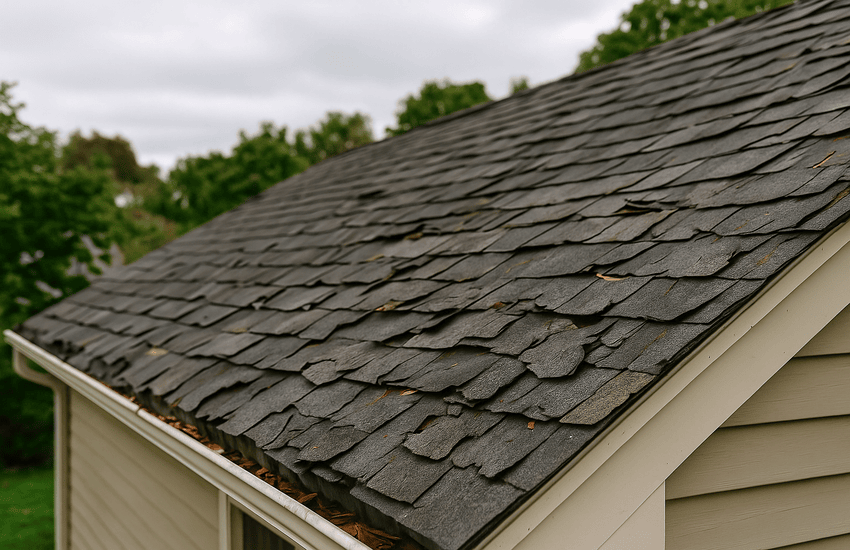
Damaged shingles are among the most noticeable signs of roofing problems. Strong winds, severe weather, aging materials, and improper installation can cause shingles to crack, curl, loosen, or fall off entirely.
Missing shingles expose the underlying roofing system to moisture and may increase the risk of leaks. Curling or cracked shingles can also indicate that the materials are deteriorating and no longer provide reliable protection.
Look for uneven roof surfaces, visible gaps, or shingles that appear different from the surrounding areas. Avoid climbing onto a damaged roof yourself, particularly when the surface is wet or steep.
A qualified roofing professional can assess the damage and determine whether individual shingles can be replaced or whether a larger section requires repair.
2. Water Stains on Ceilings or Walls
Water stains inside your home may indicate a roof leak, especially when they appear on upper-floor ceilings or near exterior walls.
Common warning signs include brown or yellow discoloration, peeling paint, bubbling drywall, and damp patches that return after rainfall.
However, not every ceiling stain originates from the roof. Plumbing leaks, condensation, and other moisture problems can produce similar symptoms.
If you notice water damage, investigate the source promptly rather than simply repainting the affected area. A roofing professional can inspect the roof and flashing to help identify the cause.
3. Water Leaks Around Chimneys, Vents, and Skylights
Roof penetrations are common locations for leaks because they require carefully installed flashing and weatherproof seals.
Chimneys, skylights, plumbing vents, and ventilation openings can develop leaks when flashing becomes damaged, sealants deteriorate, or installation details fail.
Homeowners may notice moisture around a skylight, stains near a chimney, or dampness in the attic after heavy rainfall.
A professional inspection can identify whether the issue requires flashing repairs, replacement of damaged materials, improved sealing, or more extensive roofing work.
4. Sagging Areas on the Roof
A visibly sagging roofline can indicate a serious structural problem that requires prompt assessment.
Possible causes include prolonged moisture exposure, deteriorating roof decking, damaged structural supports, excessive loads, or problems associated with the original construction.
Do not assume that a sagging section is simply a cosmetic issue. Contact a qualified roofing or structural professional if you notice a new or worsening dip. Avoid walking on a potentially compromised roof.
5. Excessive Granules in Gutters
Asphalt shingles contain protective granules that help shield them from weather exposure and ultraviolet radiation.
Over time, some granule loss is normal. However, an unusual accumulation of granules in gutters or at downspout outlets may indicate accelerated deterioration.
You might also notice bald patches or areas where the shingle surface appears unusually worn.
Granule loss alone does not automatically mean that the roof needs replacement. A professional inspection can help determine whether the shingles remain serviceable or whether repairs or replacement should be considered.
6. Mold, Moisture, or Poor Ventilation in the Attic
The attic can provide useful clues about the condition of your roofing system.
Excessive condensation, damp insulation, visible mold, or a persistent musty smell may indicate moisture problems. Potential causes include roof leaks, air leakage from the living space, inadequate ventilation, or a combination of these factors.
Inspect accessible attic areas for water stains, damp materials, and recurring condensation. A qualified professional can investigate the moisture source and recommend appropriate improvements to roofing, air sealing, insulation, or ventilation.
7. Damaged or Deteriorating Flashing
Flashing consists of materials installed around roof transitions and penetrations to help direct water away from vulnerable areas.
It is commonly found around chimneys, skylights, vents, valleys, and locations where roofing meets a wall.
Flashing can become loose, corroded, cracked, or improperly sealed. When it fails, water may enter the roofing system even if the surrounding shingles appear to be in good condition.
Depending on the condition of the surrounding materials, the solution may involve repairing or replacing the flashing rather than replacing the entire roof.
8. Rising Energy Bills or Uneven Indoor Temperatures
An aging or poorly performing roof can contribute to energy inefficiency, although it is not always the primary cause of higher utility bills.
Damaged insulation, uncontrolled air leakage, inadequate attic ventilation, and roof deterioration can affect indoor comfort and heating or cooling demand.
If certain rooms become unusually hot in summer or cold in winter, consider evaluating the attic, insulation, ventilation, windows, and HVAC system.
A qualified professional can help determine whether roofing improvements would address the problem or whether other upgrades are more appropriate.
9. Your Roof Is Approaching the End of Its Expected Lifespan
Every roofing material has a different expected service life. Asphalt shingles, metal roofing, tile, and other materials vary in durability depending on product quality, installation, weather exposure, and maintenance.
If your roof is approaching the end of its expected lifespan, arranging an inspection can help you plan for future expenses before a major failure occurs.
An older roof does not automatically require replacement. However, widespread shingle deterioration, recurring leaks, extensive decking damage, and repeated repairs may make replacement a more practical long-term option.
Ask a qualified roofing contractor to explain the roof’s current condition, expected remaining service life, and the relative costs of repair versus replacement.
Roof Repair or Roof Replacement: Which Option Is Better?
The right choice depends on the extent of damage, the age of the roofing system, the condition of the underlying structure, and your budget.
Roof repair may be appropriate when:
- Damage is limited to a small, identifiable area.
- A few shingles or sections of flashing need replacement.
- The rest of the roofing system remains in good condition.
- The underlying roof decking and structural components are sound.
Roof replacement may be worth considering when:
- Roofing materials have widespread deterioration.
- Leaks repeatedly occur in different locations.
- Significant damage affects the underlying structure.
- The roof is nearing the end of its expected service life.
- Repeated repair costs are becoming difficult to justify.
Request a detailed assessment before making a decision. A professional should explain the cause of the problem, the recommended work, the materials involved, and any additional risks discovered during the inspection.
How to Find the Right Roofing Professional
Choosing the right contractor is an important part of protecting your home. Look for professionals with relevant roofing experience, appropriate licensing where required, and suitable insurance coverage.
Ask for references, examples of similar projects, and a written estimate that outlines the scope of work, materials, payment schedule, and expected timeline.
Be cautious of contractors who pressure you into making an immediate decision or recommend a complete roof replacement without explaining the evidence behind their recommendation.
Homeowners researching contractors for roofing and other property improvements can visit Homeowner Henry to explore home improvement resources. You can also review its home improvement services page when researching service options for projects such as roofing, HVAC, and remodeling.
Taking time to understand your options can help you find an appropriate professional and avoid unnecessary work.
Practical Ways to Protect Your Roof
Regular maintenance can help homeowners identify roofing problems before they lead to more extensive damage.
Consider these preventative measures:
- Schedule periodic roof inspections, particularly after severe weather.
- Keep gutters and downspouts clear of leaves and debris.
- Trim overhanging branches where appropriate.
- Check accessible attic areas for moisture or water stains.
- Address damaged shingles, flashing, and leaks promptly.
- Maintain adequate attic insulation and ventilation.
- Keep records of roofing repairs, inspections, and warranties.
The appropriate maintenance schedule depends on your roof’s age, material, condition, and local weather conditions.
Final Thoughts
Your roof plays a vital role in protecting your home from weather damage and maintaining a comfortable indoor environment. Missing shingles, water stains, damaged flashing, attic moisture, and sagging areas can all indicate that professional attention is needed.
Recognizing these warning signs early can help you address problems before they become more expensive or disruptive. While some issues may require only a targeted repair, widespread deterioration or structural damage may justify a complete roof replacement.
Inspect your roof regularly, maintain the surrounding drainage system, and seek qualified advice when you notice signs of damage. With timely maintenance and informed decisions, you can protect your property and extend the useful life of your roofing system.