Power outages may interfere with daily routines, spoil food in the refrigerator, make working from home difficult and impact vital home systems. You can’t always avoid blackouts, but there are some practical home improvement projects you can do that will keep your essential services running and your family comfortable until the power is restored.
Homeowners can improve the durability of their homes through certain upgrades such as installing backup power equipment, improving insulation and installing emergency lighting.
Smart Home Projects: How to Make Your Home Smarter
Before buying equipment, determine the power requirements of your home and which systems you want to power during a power outage. A dependable backup power system will keep your most important appliances running when your main power source fails.
Choose the Right Backup Generator
A backup generator can power some appliances such as refrigerators, lights, internet devices and some heating or cooling systems depending on how much electricity it can offer. Measure the running watts of your critical appliances and add the extra starting power required by equipment like freezers and water pumps.
When looking for diesel generators for sale, the homeowner should consider things like output capacity, fuel consumption, maintenance requirements, noise levels and estimated operational time. Explore the different alternatives with Able Power to see generator solutions for your power needs.
Consider Installation and Safety During Use
A correctly selected backup generator can power critical home demands during extended outages. But picking the correct equipment is only half the battle. Safe installation is equally crucial. Carbon monoxide is hazardous; thus fuel-powered generators ought to be run outdoors and away from windows, doors and ventilation openings.
If you want to permanently connect it to your home’s circuits, it’s best to have a professional electrician install a transfer switch or another appropriate method. Do not connect a generator directly to a wall outlet, as this can lead to backfeeding, which is very dangerous.
Critical Electronics Battery Backup Installation
Home battery systems and uninterruptible power supplies (UPS) provide extra protection in case of a power outage. A battery system can power selected household circuits. A UPS is best for equipment that has to be powered for a short time when there is an outage.
Identify Devices That Need Continuous Power
First, decide which electronics and equipment are most important to your household. During a power outage, internet routers, phones, laptops and some lights may be more important than non-essential appliances.
Calculate the battery capacity required for the total energy consumption of these devices and the running time. A UPS also allows for enough time to save computer files and safely shut down equipment.
1. Close up air leaks and add insulation
More insulation helps keep your home comfortable when the heat or air conditioning systems are not running. Insulation in the roof and ceiling, sealed windows and exterior doors that fit properly can delay the passage of heat and cut down on undesired drafts.
2. Concentrate on the Normal Heat Losses
Look for cracks in window frames, door edges, attics, and other spots where outside air could get in. Replace old weatherstripping, seal any gaps that are suitable and update any deficient insulation.
These upgrades will not keep a constant temperature inside forever, but they can help limit the rate of change during an outage. They also may lead to better energy efficiency on a day-to-day basis, making them well worth the improvement even without a disaster.
3. Fit independent emergency lighting
The emergency lighting allows the household members to safely move around when the power goes out after dark. Rechargeable lanterns, battery torches and adequate solar lighting can be used to provide light without relying on the main electricity supply.
4. Lighting Where You Need It Most
Place emergency lights near stairwells, hallways, entrances and common-use areas to stay safe. Keep spare batteries close at hand, and give portable lights frequent recharges.
Smart bulbs can offer convenience in normal operation, but connected lighting can be inaccessible when the power or network goes off. You can still have light when smart home systems stop responding if you have separate lighting choices.
5. Shield Electrical Appliances from Voltage Surges
A blackout can be followed by power restoration and there can be electrical fluctuations. Use the proper surge-protection equipment to protect sensitive electronics such as TVs, computers, routers and entertainment systems to minimize the danger of damage.
Choose the Correct Protection
Here are some practical steps:
- Use surge protectors with proper ratings for the connected devices.
- Ask an electrician about whether whole-home surge protection makes sense.
- Replace broken or worn protective devices in accordance with the manufacturer’s instructions.
A surge protector won’t provide power to your home during a blackout, nor will it prevent all electrical faults. It is not intended to replace good wiring and good electrical maintenance but is intended to supplement them.
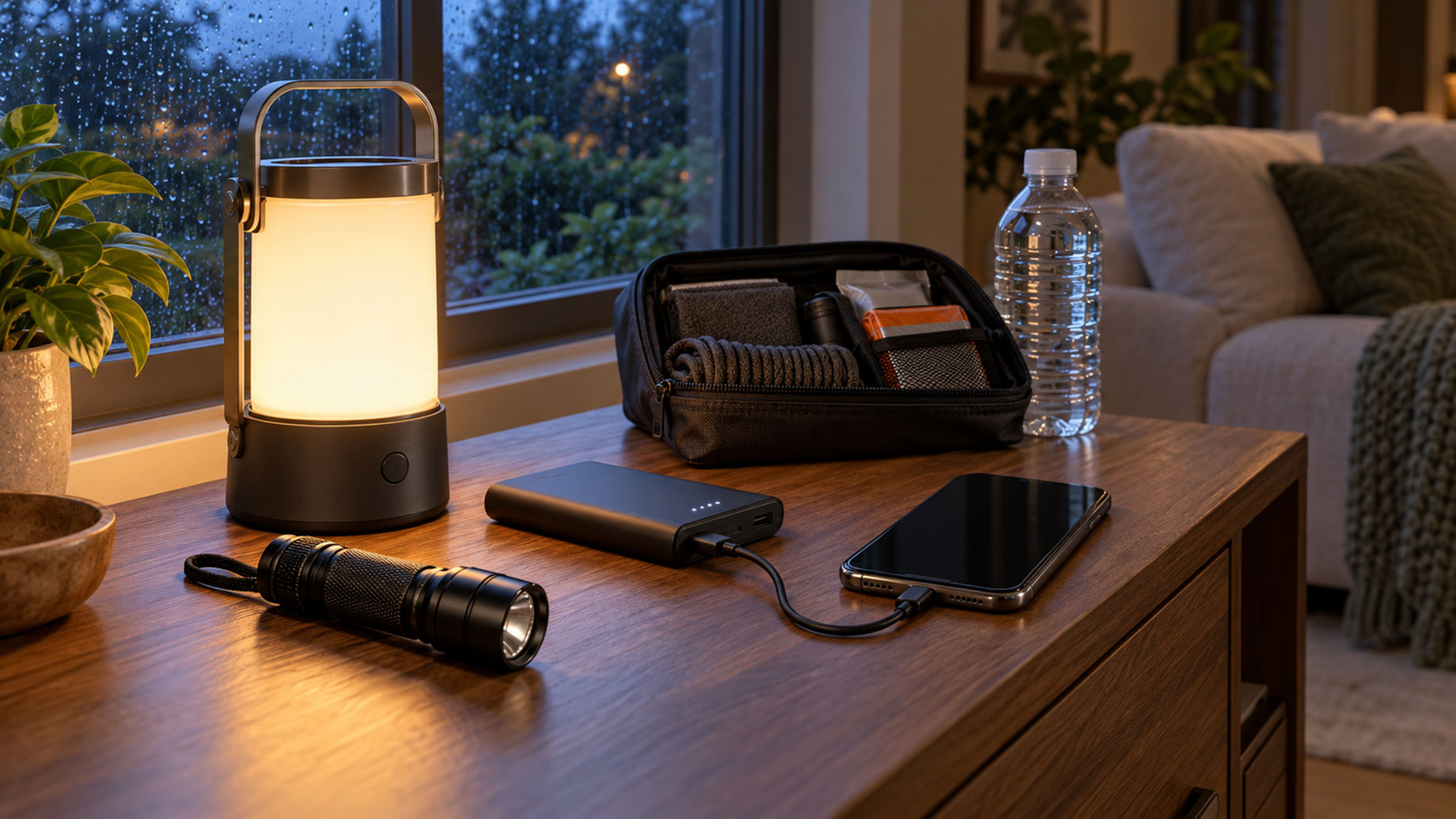
6. Create an Emergency Power Kit
If you have a specific emergency pack ready, it’s easier to act fast when the power goes out suddenly. Keep basic goods in one dry, accessible place so you can find them without looking in the dark.
The following kit is needed:
- Flashlights, extra batteries and charged power banks.
- Basic first-aid supplies and drinking water.
- If you have a battery-operated radio, include it in your kit.
- Backup equipment manufacturer instructions
Inspect the kit every few months, refresh portable gadgets, and replace expired or broken materials. If someone in your home uses electrically powered medical equipment, work with their healthcare provider and equipment supplier to develop an adequate backup plan.
7. Check Your Home’s Outage Preparedness
The best equipment is useless if it is not properly maintained or set up. Get a professional inspection when needed, review your emergency plan, and make sure the instructions for the generator are easily available.
Test backup equipment according to the manufacturer’s recommendations, and make sure family members know which devices will work during an outage. Check fuel storage requirements, battery condition and maintenance schedules before bad weather or other potential disruptions.
Conclusions
When preparing for a surprise power loss, your first step is to figure out what your family will need most. Better insulation, emergency lighting, protection for electronic equipment and installation of an appropriate backup diesel generator for sale can reduce disturbance and improve safety.
By making incremental modifications and frequently testing them, you’ll construct a more resilient home better able to withstand unexpected interruptions to the electricity supply.
