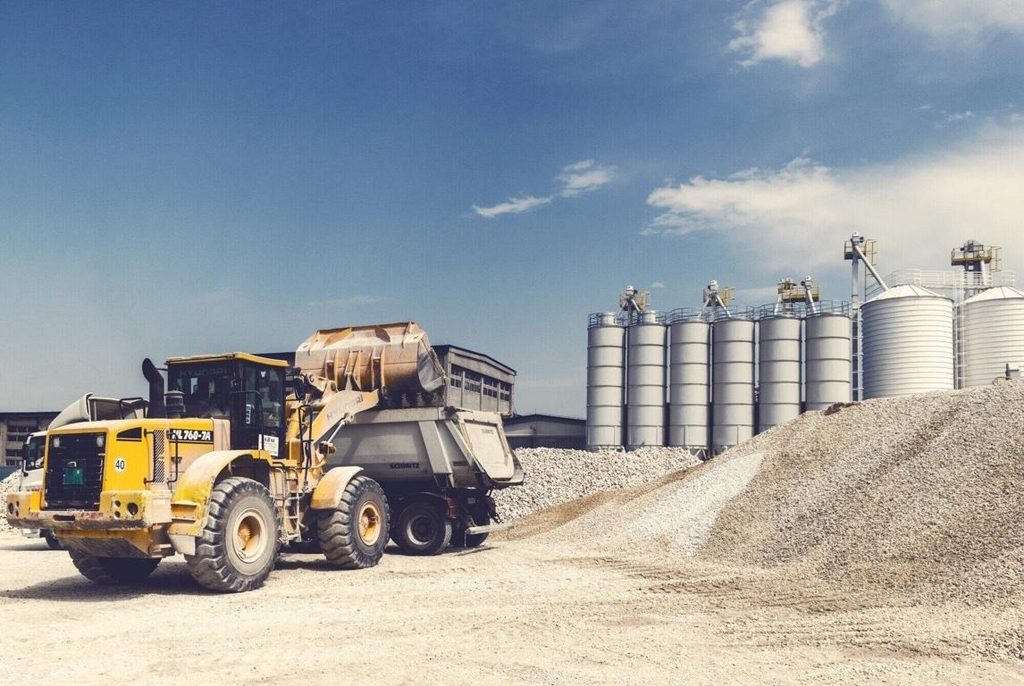
Are you planning to buy heavy-duty industrial equipment for your business or project? Choosing the right equipment can be difficult, especially with so many options available.
Making the wrong choice can lead to costly repairs, work delays, or even safety risks. Many people feel unsure about what to look for when shopping for quality machines. It’s important to know which features really matter and which ones you can skip.
This guide will help you focus on the most important factors. By the end, you’ll know how to choose equipment that performs well and lasts for years. Keep on reading!
Check Essential Specifications
Start by reviewing the core specifications of the equipment you want to buy. Look for details like power capacity, weight limits, and operating speed. Make sure the machine matches your projects and daily needs.
Compare different brands to see which models offer the best features for your budget. Don’t forget to check the size and dimensions to ensure a proper fit. Consider how much energy or fuel the equipment uses.
Lower consumption means more savings over time. Reliable equipment should balance power and efficiency. Always double-check the manufacturer’s details before making a final choice.
Focus on Safety Standards
When you buy industrial equipment, safety should always come first. Choose machines that meet or exceed your country’s safety standards and those of other countries. Check the equipment’s safety record by looking for certifications from well-known groups.
Ensure it has safety guards, emergency stop buttons, and warning labels. Easy-to-understand manuals can help prevent accidents. Make sure the equipment has clear instructions for safe use and proper care.
Ask whether the machine has built-in safety features, such as alarms or automatic shutoff systems. Protect your team with gear with a strong safety track record.
Assess Build Quality and Materials
The types of materials used to make industrial equipment can tell you a lot about how long it will last. When things get tough, strong metals and good plastics tend to last longer.
Look for signs of weak construction in the joints, welds, and moving parts. Solid, well-built machines are less likely to break. Ask the seller how the product is made and how it is quality-checked.
Heavy-duty machines should withstand constant use without breaking down too soon. For machines used outside or in damp places, rust-resistant coatings are important.
Reliable brands usually talk about the materials they use and how they build their products. Buying well-made equipment can save you money on repairs and replacements.
Evaluate Manufacturer Reputation
A manufacturer’s reputation can say a lot about product quality. Read online reviews from other buyers to see how the equipment performs in real-world settings. Ask industry professionals or business owners you trust for recommendations.
Companies with a long history of excellence tend to produce more reliable equipment. Look for brands that offer good customer support and clear warranty policies. Check if the manufacturer has received awards or recognition for their products.
Avoid brands with frequent complaints or poor service records. Reliable brands respond quickly when problems arise. A good manufacturer stands behind its equipment.
Consider Ease of Maintenance
All machines need care to keep running smoothly, so check how easy the equipment is to maintain. Simple designs with easy-to-access parts make routine maintenance quicker and safer.
Ask whether replacement parts are easy to find and affordable. Some brands offer helpful guides or video tutorials for basic repairs. Regular maintenance should not require special tools or advanced skills.
Equipment that takes too long to service might cause unwanted work delays. Look for machines with features that make cleaning and lubrication easy.
Review Support and Warranty Options
Strong after-sales support is a key sign of a reliable equipment supplier. Ask about the warranty length and coverage before you buy. A longer warranty usually means the manufacturer trusts their product’s durability.
Find out what services are included, such as repairs, parts replacement, or technical help. Quick support can make a big difference if something goes wrong. Look for suppliers with local service centers or technicians.
Some companies include regular checkups in their service package. Read the warranty details carefully to avoid surprises later.
Compare Long-Term Value
Price is important, but long-term value matters even more when buying industrial equipment. Calculate the total cost of ownership, including energy use, maintenance, and repairs. Some machines may cost more upfront but save money over time through better efficiency.
Consider the machine’s expected lifespan and how often it needs servicing. Reliable equipment can help reduce downtime and increase productivity. Ask about resale value in case you plan to upgrade in the future.
Don’t forget to check for hidden costs like training or installation fees. The best deals offer more than just a low price tag.
Ensure Compatibility and Upgradability
Select equipment that fits your current tools and workflow. Check if the machine can connect to other devices or systems you already use. Some equipment allows easy software updates or future hardware upgrades.
Flexible machines can adapt as your business grows or changes. Ask about standard connection ports and supported accessories. Buying compatible equipment helps you avoid extra costs later.
Make sure replacement parts and add-ons are easy to find. Test how the machine fits into your daily operations before buying.
Look for Specialized Equipment
Sometimes, standard machinery cannot meet all your unique needs or project demands. Specialized equipment is designed for particular tasks or industries. Ask sellers about custom features or add-on options for your projects.
For example, McElroy fusion machines are a popular choice for pipe-joining jobs because of their versatility. Specialized tools can improve job quality and boost safety. These machines often come with expert support and training.
Custom equipment may cost more, but the benefits can outweigh the price. Check if specialized gear is available for your sector.
Smart Choices Lead to Lasting Success
Selecting quality industrial equipment is more than just finding the lowest price or biggest machine. Focus on key factors like safety, specs, and long-term value to make smart choices.
Check the manufacturer’s reputation and after-sales support for peace of mind. Durability, compatibility, and ease of maintenance are also important.
Take time to review all details before buying any equipment. Careful research pays off with reliable performance and fewer problems.
Did you like this guide? Great! Please browse our website for more!